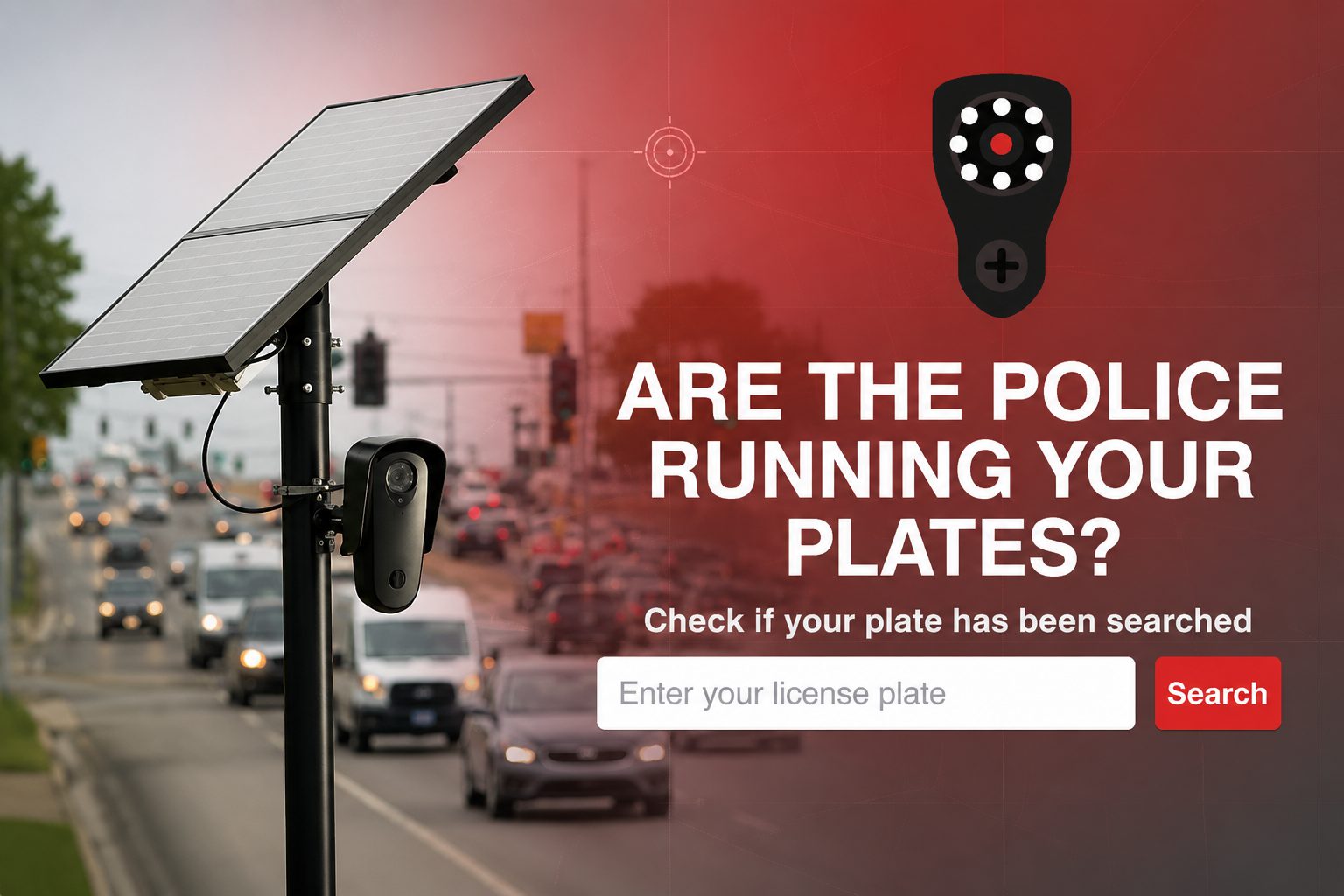
Nearly 4.7 million license plates appear across 219 million Flock Safety searches — and a free website called HaveIBeenFlocked.com lets you check if yours is one of them. Type your plate number, hit search, and find out which law enforcement agencies have queried your vehicle in Flock’s sprawling surveillance app-backed database. The site exists because Flock cameras now blanket American roads, feeding data into a shared national network. Most drivers have no idea their daily commute is being cataloged.
What Flock Cameras Actually Collect
Every passing vehicle gets photographed, tagged, and uploaded — no suspicion required.
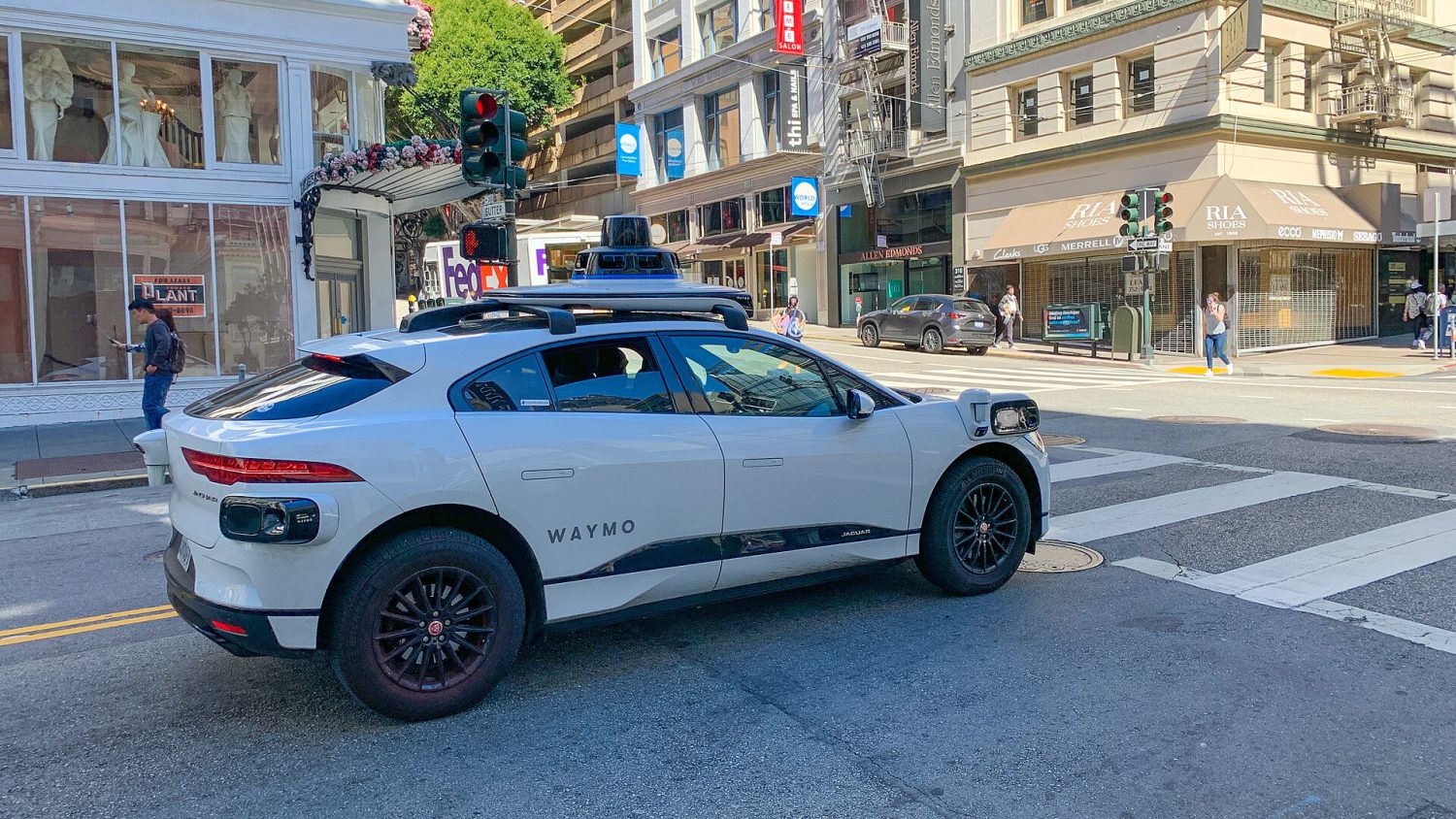
Each time your car passes a Flock ALPR camera, it snaps the rear of your vehicle: plate number, timestamp, GPS coordinates. That image also captures whatever’s visible — bumper stickers, roof racks, body damage. Flock advertises “billions of monthly plate reads” across its network, according to the company’s product page. That data doesn’t sit quietly in your town’s police server. Flock’s own contract terms reportedly give the company broad authority to share local data with law enforcement nationwide for “investigative purposes,” regardless of how individual departments configure their settings.
Most people assume local police surveillance stays local. It doesn’t. According to the ACLU of Massachusetts, records requests to nearly 80 departments revealed that roughly 7,000 agencies and organizations had searched Massachusetts drivers’ location data — including:
- Florida Highway Patrol
- Dallas PD
- Jacksonville
- Columbus
No warrant, no probable cause, and no notification to the driver is required. An officer in Florida can reconstruct where you drove in Massachusetts. Legally. Without asking anyone. Apps secretly tracking users have drawn similar scrutiny, and Flock’s nationwide data-sharing operates with comparable opacity.
What HaveIBeenFlocked Shows You – And What It Doesn’t
The site reveals who actively searched your plate, not just whether a camera spotted your car.
There’s a critical distinction to understand before you search. Being scanned means a Flock camera photographed your car as you drove past. Being searched means an officer actively typed your plate into Flock’s software. HaveIBeenFlocked shows the second category. A hit reveals:
- the searching agency
- the operator’s name
- the date and time
- whatever justification they bothered to type into the “reason” field — if anything at all
Beyond individual plates, the pattern data is striking. According to EFF’s December 2025 investigation, roughly 12 million searches by approximately 3,900 agencies occurred between late 2024 and late 2025. Hundreds of those searches tracked protest attendees. More than 80 agencies used search terms targeting Romani people, sometimes with racial slurs and often without citing any suspected crime. U.S. Customs and Border Protection accessed Illinois data in apparent violation of state privacy law, prompting official audits.
Think of HaveIBeenFlocked as the “Have I Been Pwned” moment for physical surveillance — the tool that made data breaches feel personal is now doing the same for your driveway. Much like the broader pattern of tech scandals that have exploited public trust, the database contains only audit logs obtained through public records requests contributed by activists and journalists, so a no-result doesn’t mean you’re clear. It means those particular logs haven’t been collected yet. Search your plate, browse records by department, and if you want fuller answers, the site’s step-by-step FOIA guidance can help you request your own local records. Knowing is the first move.