Grocery receipts that rival car payments have become the new normal. Rising food costs hit hard, but a handful of strategic kitchen investments can fight back. These aren’t gimmicks collecting dust beside that juicer you swore you’d use; these are workhorses that cut waste, extend food life, and shrink your grocery bills.
Industry data shows that up to 40% of food in the U.S. goes to waste annually, while inefficient kitchens drain both time and budget without most people noticing. The right tools transform meal prep from a frustrating chore into actual savings. These gadgets simplify cooking, preserve more food, and deliver measurable returns on investment. No fluff, no false promises; just practical equipment that earns its counter space.
This content may contain affiliate links. If you wish to support us and use these links to buy something, we may earn a commission.
1. Good Kitchen Knives / Knife Set
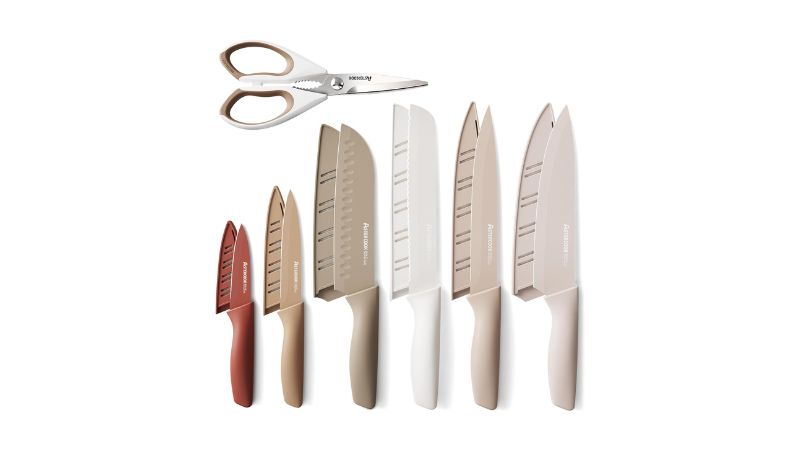
A sharp chef’s knife turns expensive pre-cut produce into an unnecessary luxury.Dull knives sabotage kitchens, turning meal prep into a battle against ingredients. The frustration of wrestling a bell pepper with a useless blade leads straight to buying pre-cut vegetables at twice the price. An 8-inch chef’s knife with around 2 inches of blade height at the heel provides the safety and knuckle clearance needed for efficient cutting.
Quality blades from Victorinox or Mercer Culinary cost around $30–$50 and drastically change kitchen economics. Buying bulk meat like whole chickens or pork loins and portioning them yourself saves substantial cash compared with pre-cut options. Consumer Reports testing confirms these entry-level knives from reputable brands often outperform far more expensive alternatives. This investment slices through food costs for years.
2. Vacuum Sealer
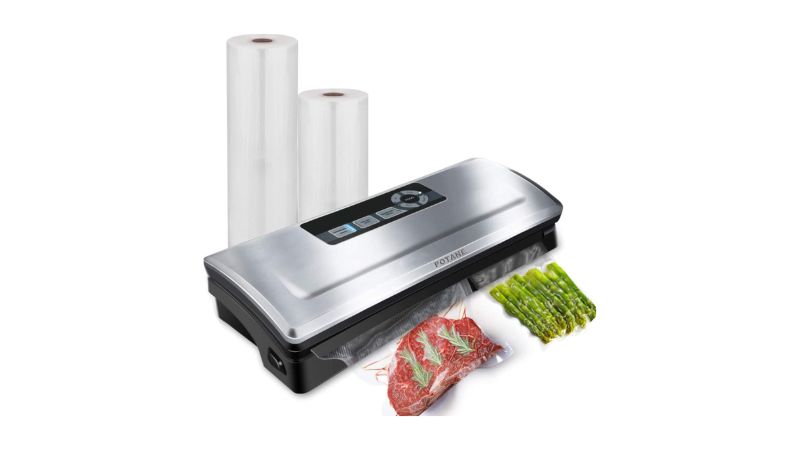
Removing air from food storage adds months to freezer life and dollars to your budget.
A vacuum sealer tackles the staggering 40% food waste problem by removing air from specialty bags or containers, then heat-sealing them. This process drastically slows oxidation and freezer burn, extending the usable life of meats, produce, and cooked meals by months. That sale-priced pork loin stays pristine instead of becoming a freezer-burned archaeology project.
Beyond bags, compatible accessories seal mason jars for dry goods, giving pantry items the same protection. Entry-level external models effective for most home cooks range between $50–$100. Testing panels emphasize strong, consistent seals and the ability to handle moist foods as keys to preventing waste. This equipment acts as a personal bodyguard for leftovers, translating directly into tangible savings as less food ends up in the bin.
3. Bread Maker / Bread Machine
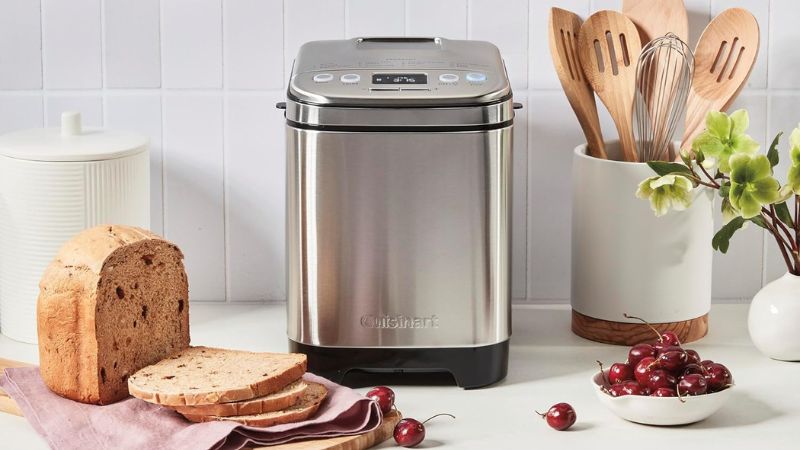
Fresh bread on demand, minus the preservatives and mystery ingredients.A countertop bread machine automates kneading, proofing, and baking with minimal supervision. Add ingredients, select a program, and the machine produces a finished loaf. Modern units cost roughly $70–$150, and timer settings mean dough can mix and bread can bake to finish at a selected time—warm loaves ready for breakfast or dinner without effort.
Homemade bread lacks the preservatives found in commercial loaves, giving better control over ingredients. Store-bought bread typically lasts one to two weeks at room temperature; homemade versions stay fresh for a few days but cost less per loaf with regular baking. Many machines offer “dough only” mode for shaping and baking in conventional ovens. This hands-off approach delivers wholesome bread reliably.
4. Home Meat Grinder / Sausage Maker
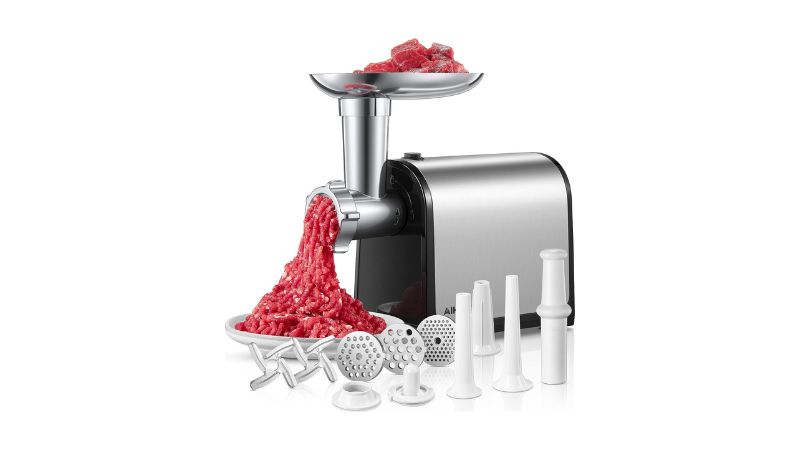
Control over fat content, texture, and seasoning turns bulk cuts into custom ground meat for less.
Home meat grinders use motorized auger and cutting plate systems to grind meat into various textures. Electric models typically cost $70–$200, sufficient for small-batch grinding and occasional sausage making. Buying larger, cheaper cuts like roasts or whole turkeys and grinding them at home costs significantly less than pre-ground products while offering complete control over fat content and seasoning.
Many consumer grinders include sausage-stuffing attachments for making breakfast links or brats using casings. Hunters commonly use these for processing venison and other game. Food safety experts recommend partially chilling meat before grinding for cleaner cuts and better texture. This equipment empowers both economic advantage and superior product quality.
5. Countertop Water Distiller
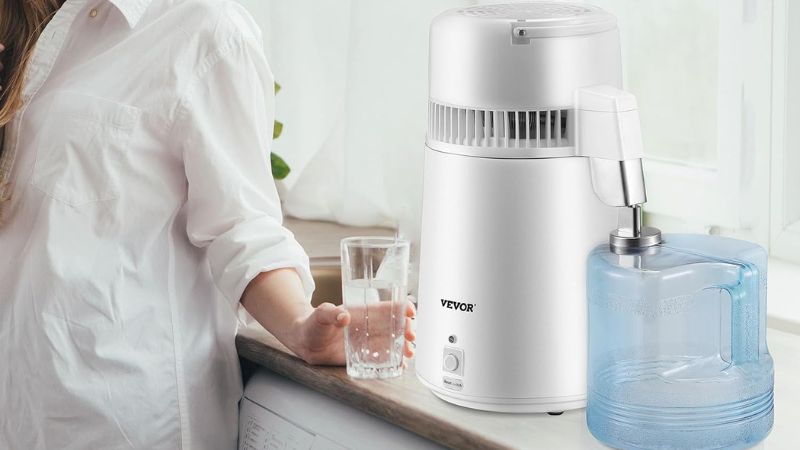
Purified water for canning, appliances, and fermentation without hauling gallon jugs.
A water distiller boils water and condenses the steam, leaving dissolved solids and minerals behind to produce distilled water. Countertop electric units typically cost $100–$200 and produce roughly 1 gallon per distillation cycle over several hours. This purified water works ideally for canning, fermenting, and keeping appliances like irons and CPAPs scale-free.
Distilled water has very low mineral content; nutrition sources note adequate mineral intake should come from food rather than drinking water alone. Using a home distiller reduces the recurring cost and plastic waste of buying bottled distilled water for frequent preserving or appliance use. The convenience factor alone justifies the investment for regular users.
6. Liquid Trace Mineral Drops

Restore minerals stripped by purification with a few drops per gallon.
Modern purification methods like reverse osmosis and distillation remove contaminants efficiently but also strip beneficial minerals. Trace mineral drops made from concentrated seawater provide magnesium plus dozens of trace elements in small amounts. Products like ConcenTrace Trace Mineral Drops are formulated to be added by the drop to drinking water to restore minerals.
Manufacturers remove substantial sodium chloride through solar evaporation, leaving a low-sodium mineral concentrate. These drops are marketed as replicating mineral ratios close to human extracellular fluid, though this represents marketing description rather than clinical standards. Users typically add a few drops per glass or per liter according to label directions, staying within recommended serving sizes to avoid excess of certain minerals.
7. Electric Pressure Cooker / Multicooker
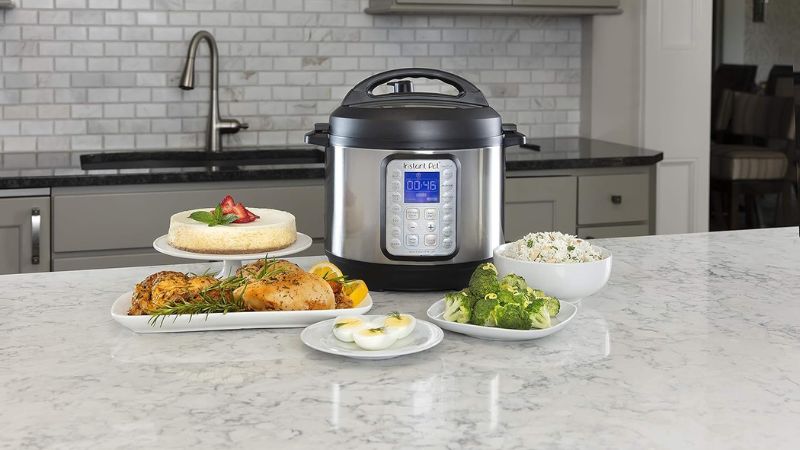
Cut cooking time by half while keeping kitchens cooler and encouraging home meals.
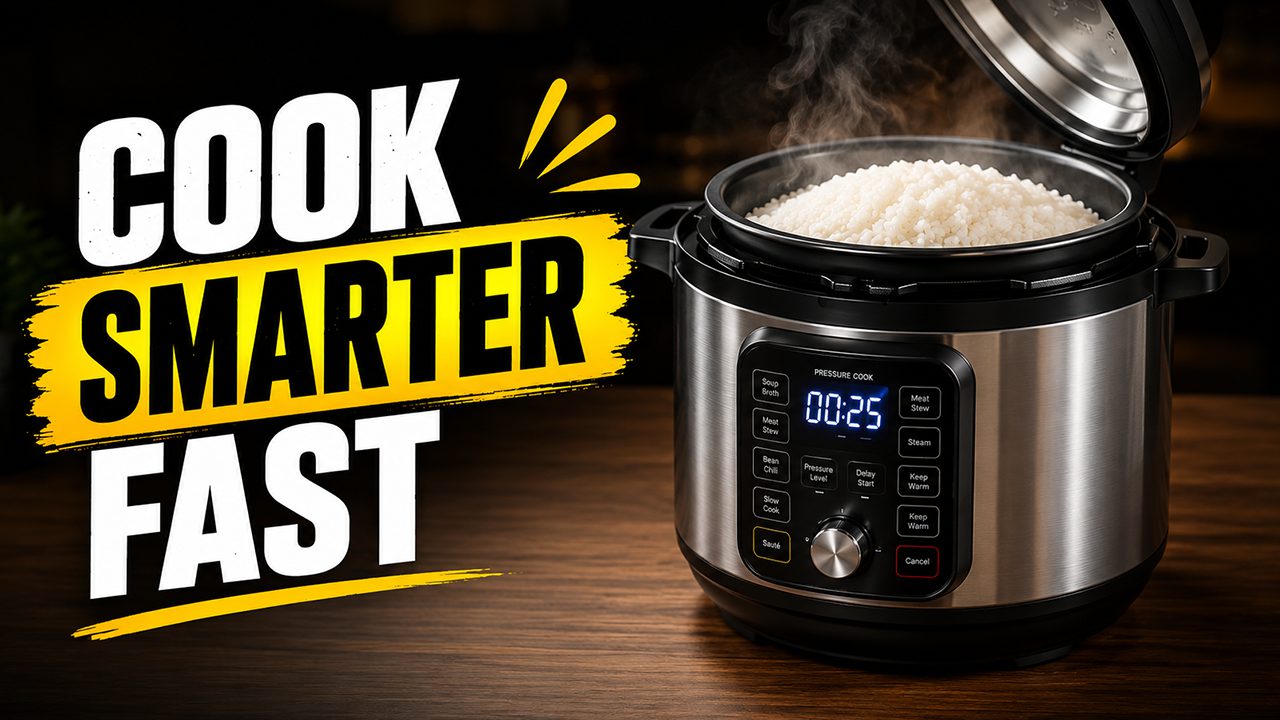
Electric pressure cookers and multicookers combine pressure cooking with slow cooking, sautéing, steaming, yogurt making, and rice cooking. Consumer Reports data shows these appliances can reduce cooking times by 50–70% for dishes like beans, stews, and tough cuts compared with conventional stovetop simmering. Programmable timers and keep-warm functions allow “set and forget” meal preparation.
Because these appliances are enclosed and insulated, they release less heat into kitchens than stovetop burners or ovens, which helps keep indoor temperatures down during hot weather. Multiple brands now compete in this category—Instant Pot, Ninja Foodi, Crock-Pot—with common 6-quart models typically priced at $70–$150. This convenience encourages home cooking and reduces reliance on expensive takeout.
8. Stovetop Pressure Canner
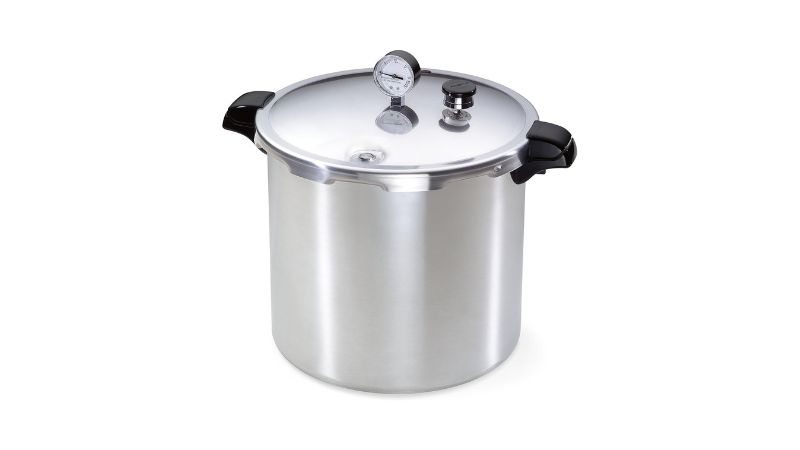
Safely preserve low-acid foods at temperatures water-bath canning can’t reach.
A pressure canner is a heavy-duty stovetop vessel designed to reach 240–250°F, hot enough to safely can low-acid foods like meat, vegetables, and soups in jars. USDA and extension services stress that only pressure canning is safe for these foods; water-bath canning is reserved for high-acid items like jams and pickles.
Common brands like Presto and All American offer canners in the 16–23 quart capacity range, often large enough to hold 7–10 quart jars per batch. Consumer models typically cost $100–$400, with cast-aluminum versions on the lower end and heavy-gauge, gasket-free models at the higher end. Canning allows preservation of seasonal produce and bulk meats in shelf-stable form, eliminating ongoing freezer energy costs and providing ready-to-use meals.
9. Electric Canner (Pressure or Water-Bath)
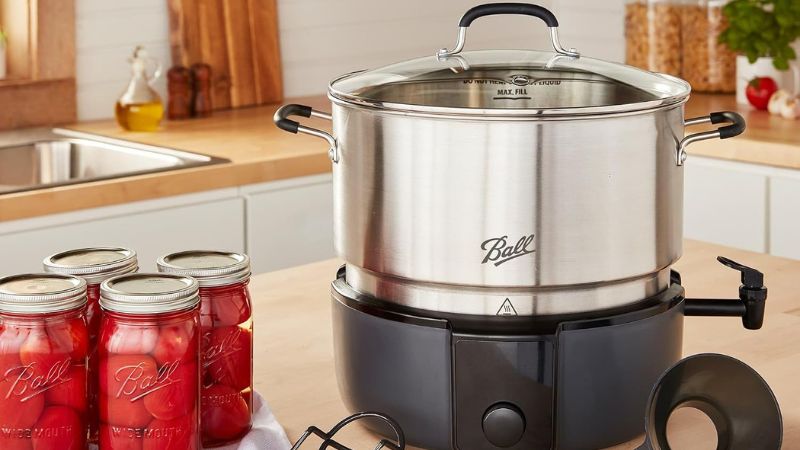
Automated canning with digital controls removes constant stovetop monitoring.
Electric canners are countertop appliances that automate either water-bath canning or pressure canning with digital controls and preset programs. Examples include the Presto Precise Digital Pressure Canner and various electric water-bath canners that guide users through step-by-step cycles. The USDA and National Center for Home Food Preservation recognize specific tested models for safe pressure canning, though not all electric multicookers are approved for this purpose.
These units reduce the need for constant monitoring, making small-batch canning more convenient and encouraging frequent use. Prices for electric canners typically range from $200–$400, higher than basic stovetop water-bath canners but offset over time by preserving sale-priced foods and garden produce. The automation encourages regular preservation habits that reduce long-term food costs.
10. Freezer (Stand-Alone)
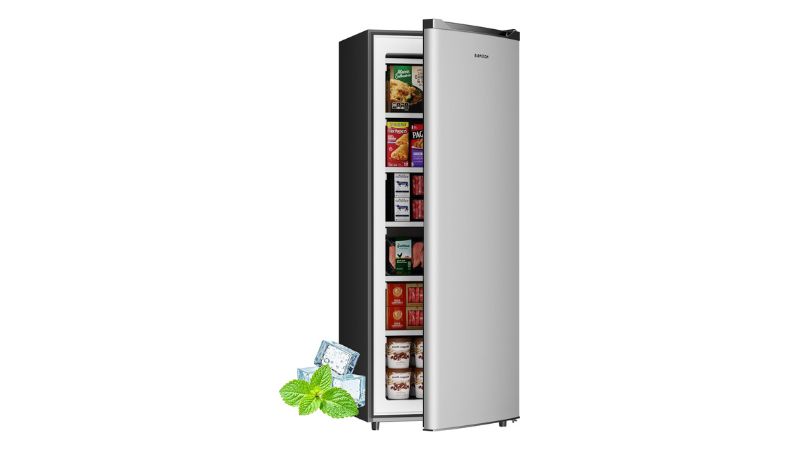
Bulk storage capitalizes on sales and seasonal abundance while keeping food safe.
A stand-alone freezer provides additional frozen-food storage beyond a refrigerator’s built-in freezer, enabling bulk purchases of meat, vegetables, and prepared meals. Energy-efficient modern freezers rated by Energy Star show typical 15-cubic-foot chest models using around 250–350 kWh per year, with costs depending on local electricity rates.
Chest freezers usually offer better energy efficiency and longer “hold time” during power outages than uprights because less cold air escapes when opened. Food safety guidelines emphasize maintaining 0°F or below for long-term quality and safety; a full freezer keeps items frozen longer during power interruptions. Consumer experts frequently cite stand-alone freezers as tools to capitalize on sale prices and seasonal abundance, especially when combined with vacuum sealing.
11. Home Freeze Dryer
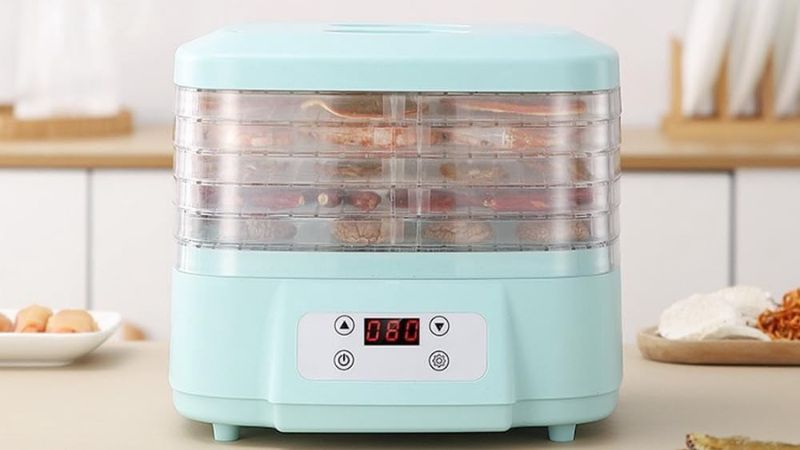
Room-temperature food storage with decades-long shelf life eliminates freezer costs.
Home freeze dryers use low temperature and strong vacuum to freeze food and then sublimate ice directly into vapor, removing most moisture while preserving structure and flavor. Consumer-grade units like those from Harvest Right typically cost $2,000–$4,000 depending on size, making them a significant upfront investment.
Properly packaged freeze-dried foods in mylar bags or sealed jars with oxygen absorbers can have shelf lives of up to 25 years or more, with much nutritional value retained. These foods are shelf-stable at room temperature, eliminating ongoing freezer costs and vulnerability to power outages. Home users commonly freeze-dry garden produce, cooked meals, meats, fruits, and pet treats; some create value-added products for small businesses or farmers’ markets. The technology offers a robust hedge for self-sufficiency and long-term food security.