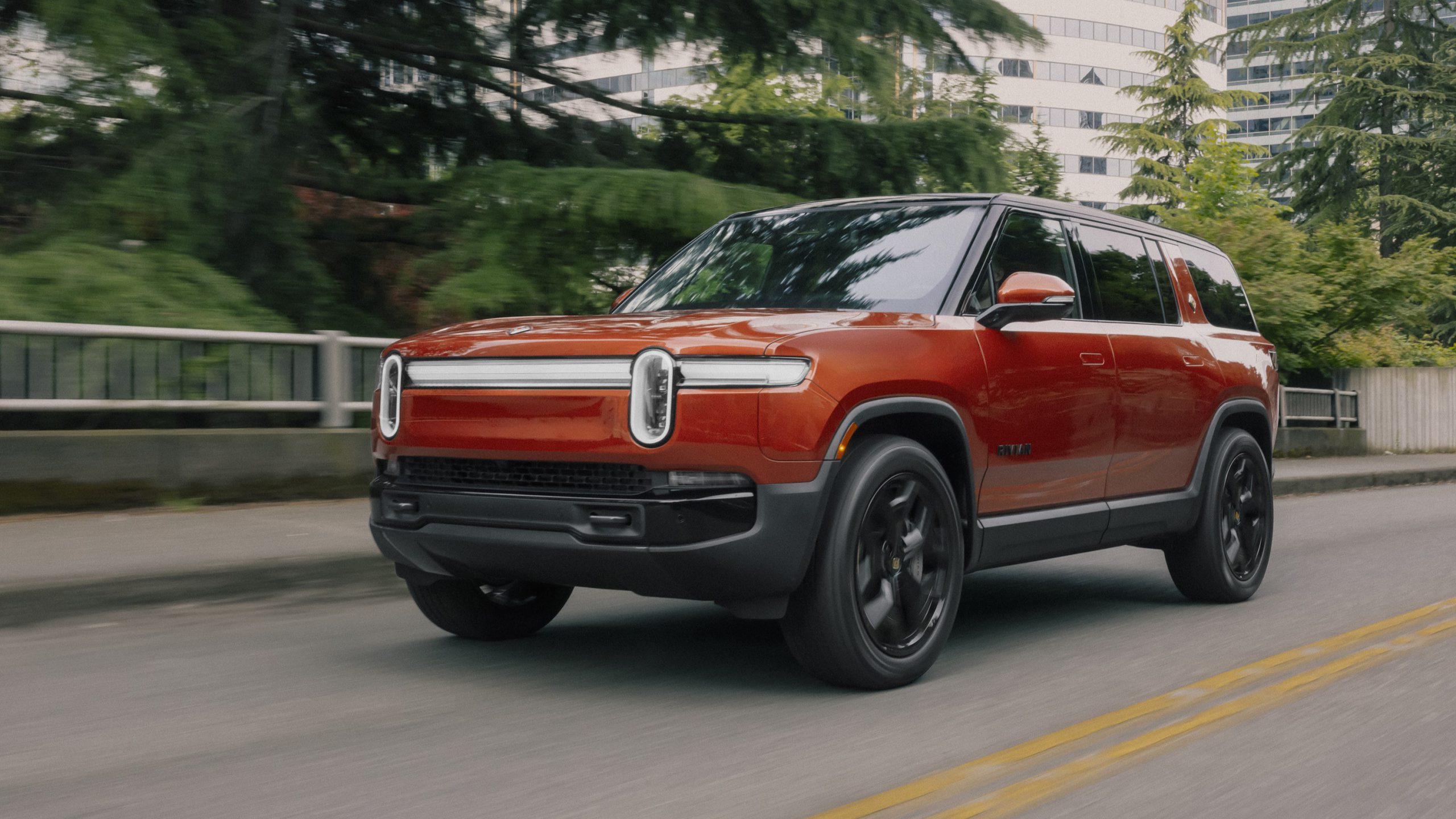
For owners who paid $70,000-plus partly on the promise of future self-driving capability, learning the hardware was never up to the task stings — and now that frustration has a courtroom. A new class-action lawsuit filed in the U.S. District Court for the Central District of California takes direct aim at Rivian. Three named plaintiffs, represented by Coleman Law and Tycko & Zavareei LLP, claim Rivian ran a years-long marketing campaign suggesting first-generation R1T and R1S vehicles would gain hands-free, Level 3 autonomous driving through software updates. The complaint argues Rivian “unquestionably knew” Gen 1 hardware could never deliver on those promises.
Hardware Gaps Don’t Get Patched Away
Gen 1’s sensor suite lacks the cameras, radar, and compute for hands-free operation — and no over-the-air update fixes missing hardware.
Rivian’s own support documentation confirms that Driver+, the Gen 1 assistance system, is not Level 3 — meaning the driver must stay attentive with hands ready at all times. That’s standard SAE Level 2 assist, where the driver remains fully responsible for monitoring the road. The complaint’s technical argument is blunt: Gen 1 was built without the hardware to support anything more. Meanwhile, legitimate progress in autonomous driving continues to advance elsewhere in the industry.
Here’s what separates the two generations:
- Plaintiffs allege a five-year campaign referenced “genuine hands-free driving support” in archived marketing materials, now surfaced by owner communities
- Gen 1 Driver+ remains Level 2: eyes on road, hands near wheel, always
- Gen 2 ships with 11 cameras, 5 radars, and roughly 10× the computing power — enabling Universal Hands-Free on 3.5 million miles of US and Canadian roads where lane lines are visible
- Rivian now charges Gen 2 owners $49.99/month or $2,500 one-time for its Autonomy+ suite; Gen 1 owners cannot buy in, regardless of willingness to pay
- Legal claims include fraud, negligent misrepresentation, and unjust enrichment, with a jury trial requested
This Road Has Been Traveled Before
Tesla’s Autopilot branding faced nearly identical scrutiny — and Rivian has already paid $250 million to settle a separate consumer trust dispute.
If this feels familiar, that’s because Tesla’s Full Self-Driving saga practically wrote the playbook. The California DMV pursued Tesla for deceptive autonomy marketing, and a judge ruled in the DMV’s favor. Tesla’s resolution? Changing the language in California marketing materials, not the product. Rivian’s own CEO, RJ Scaringe, has publicly outlined an autonomy roadmap that explicitly ties Level 3 capabilities to Gen 2 and future hardware — quietly confirming what the lawsuit alleges out loud. Rivian previously settled a $250 million shareholder class action tied to a 2022 price-hike controversy, demonstrating the company has already faced meaningful consequences for how it communicates with customers and investors.
For Gen 1 owners, the practical reality is straightforward: no hands-free driving is coming to your vehicle. Rivian declined to comment, citing ongoing litigation, and the case remains in early stages with no ruling on the merits. What’s already clear is the broader signal — the EV industry’s habit of selling tomorrow’s software on yesterday’s hardware is getting its day in court, part of a wider pattern of tech scandals where overpromising has real consequences for consumers.