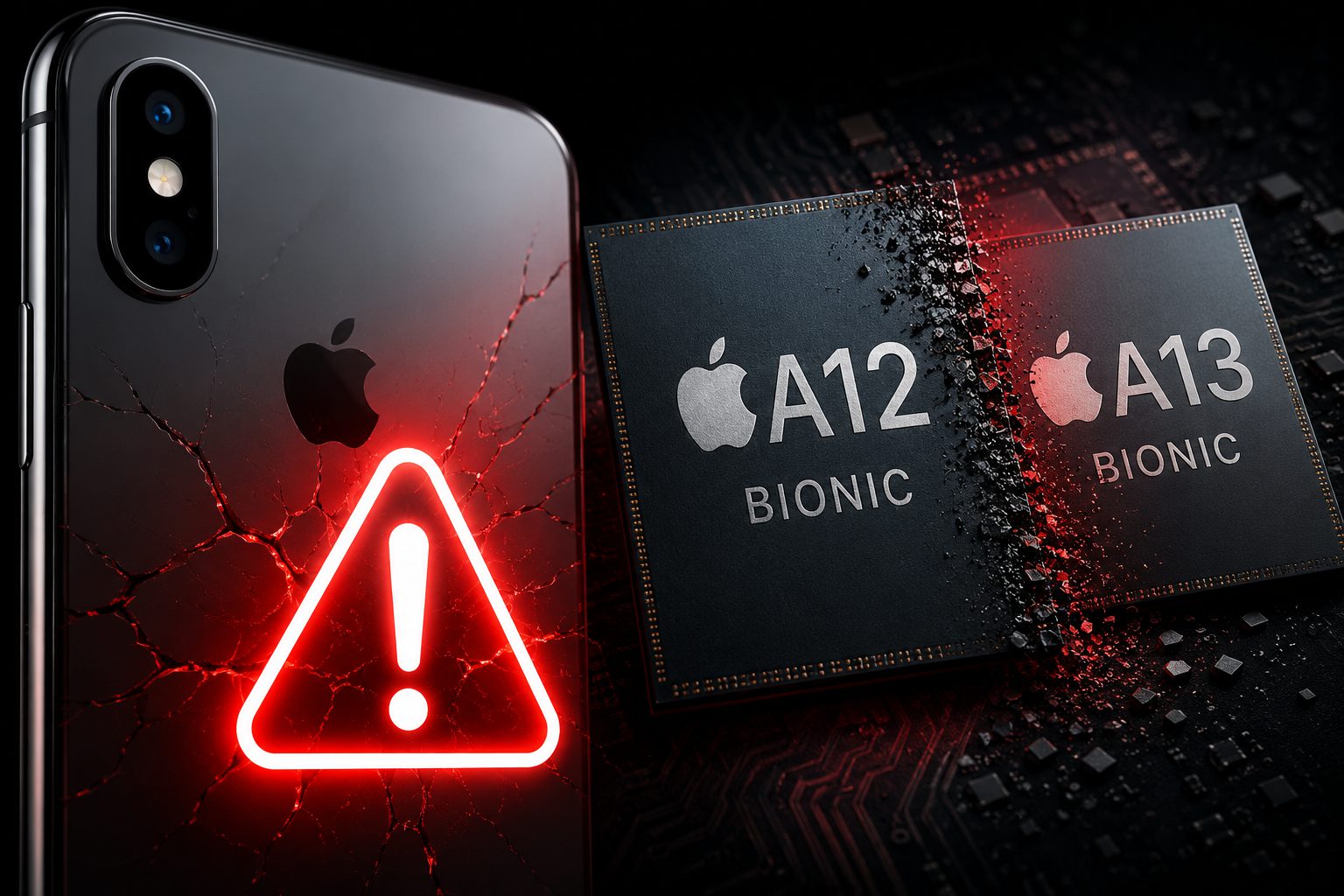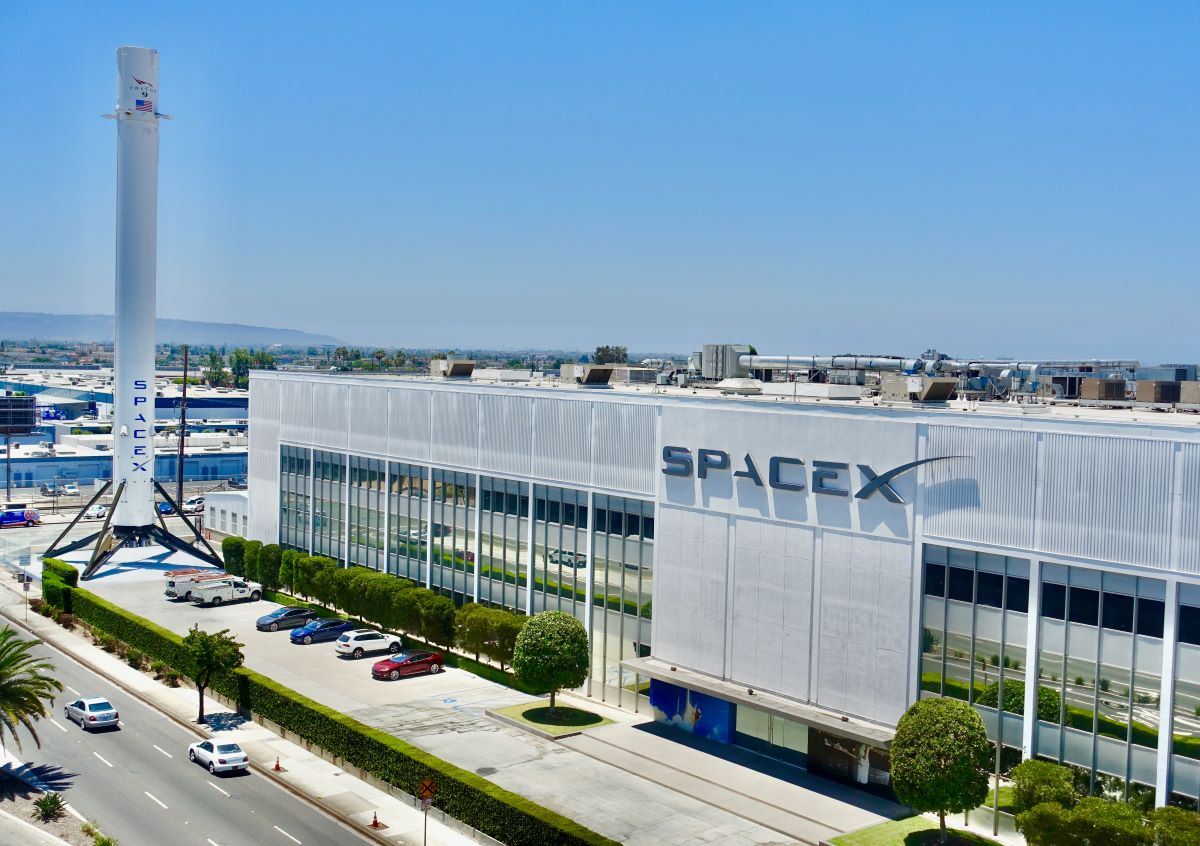
Your target-date fund sits there like a Crock-Pot — set it, forget it, collect retirement. Except someone just tossed a $1.77 trillion ingredient into the pot without asking. SpaceX‘s IPO, the largest stock market debut in history, raised roughly $75 billion at $135 per share. Thanks to rule changes most savers never heard about, it’s heading straight into the index funds anchoring your retirement savings. This isn’t hypothetical. The mechanics are already in motion.
The Fast-Track Nobody Explained
Index rule changes made quietly in 2026 turned passive retirement funds into automatic SpaceX buyers.
Nasdaq and FTSE Russell adopted “fast-entry” rules allowing mega-IPOs into flagship indices after as few as 5 trading days (FTSE Russell) or 15 days (Nasdaq-100). The previous waiting period ran three to twelve months. That buffer is gone.
Once SpaceX joins the Nasdaq-100, funds like QQQ don’t deliberate. They buy — at whatever price the index dictates. A Madison Partners retirement planning firm described it as the part “nobody on the evening news explained clearly,” warning that if you hold a total-market or Nasdaq-100 fund, “a slice of SpaceX is likely arriving in your retirement account whether you bought it or not.”
Not every index caved. S&P Dow Jones Indices rejected fast-tracking and still requires 12 months plus four consecutive quarters of GAAP profitability. SpaceX posted a multi-billion-dollar net loss in 2025, meaning S&P 500 entry is off the table until at least mid-2027.
What’s actually in your retirement fund right now:
- Nasdaq-100 or total-market funds (QQQ, CRSP Total Market): SpaceX is coming
- Target-date funds: likely exposed through Nasdaq-100 or total-market components
- S&P 500-only funds (VOO, SPY, IVV): insulated for now
- Anthropic has also filed for IPO — the same fast-entry mechanics reportedly apply
“$1.77 Trillion by Any Sane Metric?”
Skeptics say the valuation is built on AI-in-space speculation; advisers say don’t panic over a sub-1% index weight.
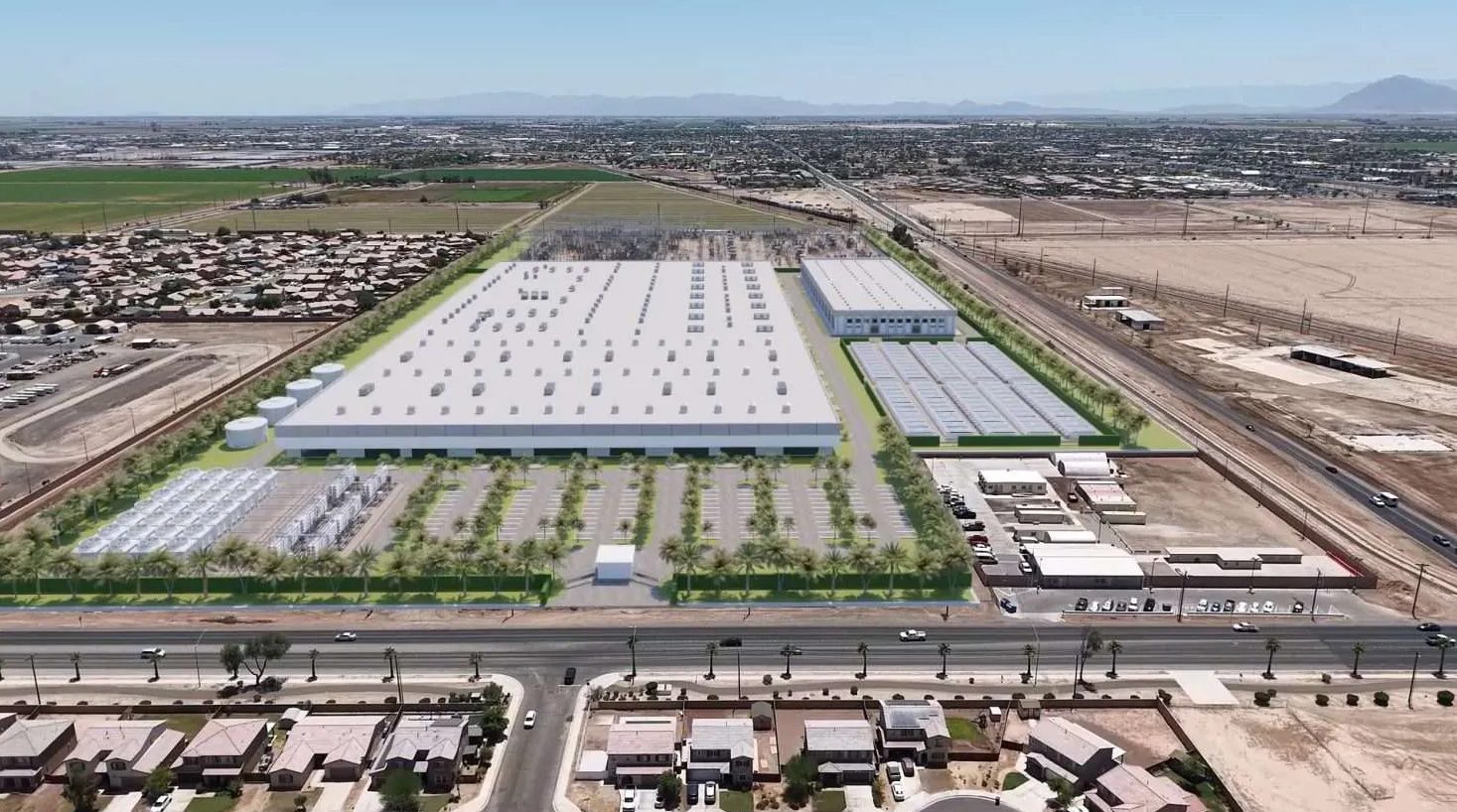
Much of that $1.77 trillion valuation reportedly rests on speculative AI infrastructure projections — orbital data centers, a claimed $28.5 trillion total addressable market. One analyst on LinkedIn called it “not worth $1.77tn by any sane metric,” noting SpaceX’s balance sheet has been used to support Musk’s other ventures, including X and xAI. Critical commentary flagged by Oligarch Watch, a Substack focused on concentrated wealth, warned that “retirement savers will be on the hook if SpaceX crashes” — worth reading as pointed advocacy rather than neutral financial analysis.
The mainstream counterpoint deserves equal airtime. Financial advisers note SpaceX’s initial index weighting will likely land below 1% in broad funds. At that weight, a single stock rarely defines retirement outcomes. Long-term asset allocation — your stock-to-bond ratio, sector diversification — still matters far more than any one IPO.
The uncomfortable historical echo is hard to ignore, though. Post-dot-com guardrails were designed precisely to stop speculative IPOs from being fast-tracked into benchmarks. According to Fortune, experts warn those guardrails are being dismantled at the exact moment AI valuations are hitting their most aggressive levels.
If you’re unsettled, three concrete steps exist:
- Check which index your funds actually track
- Reassess whether your stock-bond mix still fits your timeline
- Consider shifting toward S&P-500-only or actively managed funds if you strongly object to the exposure
Your retirement didn’t consent to this bet — but you still have moves.