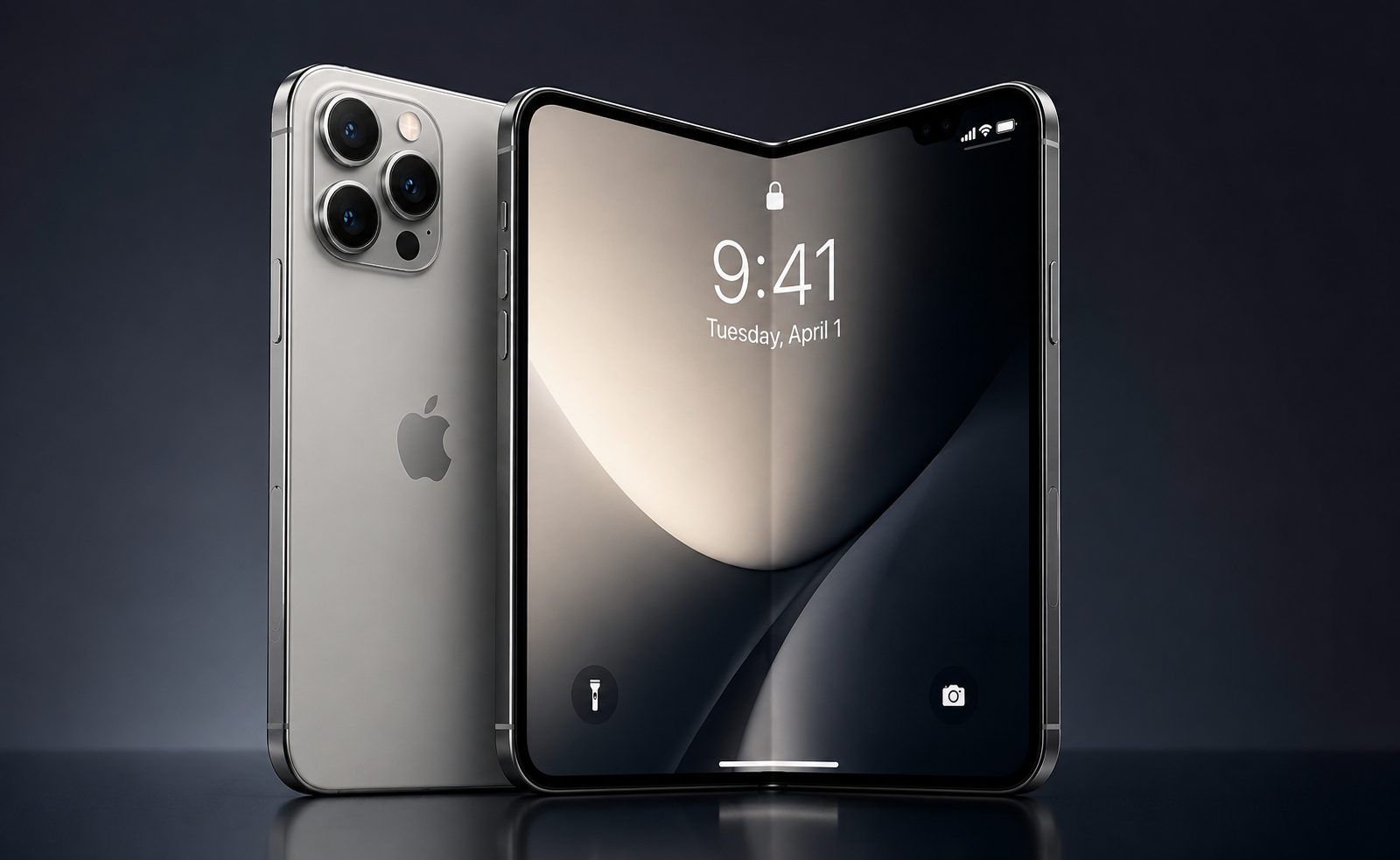
This could have been our alternate timeline: Apple launches its rumored iPhone Ultra foldable in 2026 without mature AI features, asking you to pay upwards of $2,300 for what amounts to a very expensive hinge. Critics would have roasted it alive, and rightfully so. Nine out of ten Americans use AI on their phone, after all.
When Premium Pricing Meets Niche Appeal
Foldables already struggle to justify their costs—Apple’s would have been worse.
The leaked pricing tells the whole story. Apple’s foldable iPhone reportedly starts around $2,000 and climbs to nearly $3,000 for top storage, making Samsung’s Galaxy Z Fold look like a bargain at $1,999.
You’re talking about a device that costs more than most people’s rent, entering a market where foldables still represent single-digit percentages of smartphone sales despite years of Samsung’s marketing blitz. Even Apple’s most devoted fans on MacRumors forums express skepticism, with highly-upvoted comments arguing they’d rather have better battery life and durability than pay for a fragile folding experiment.
Hardware Spectacle Can’t Hide Fundamental Problems
Engineering delays signal deeper issues with the foldable value proposition.
Reports of production delays and engineering challenges aren’t just manufacturing hiccups—they’re symptoms of a category that still involves serious compromises. The rumored specs sound impressive:
- 7.8-inch inner display
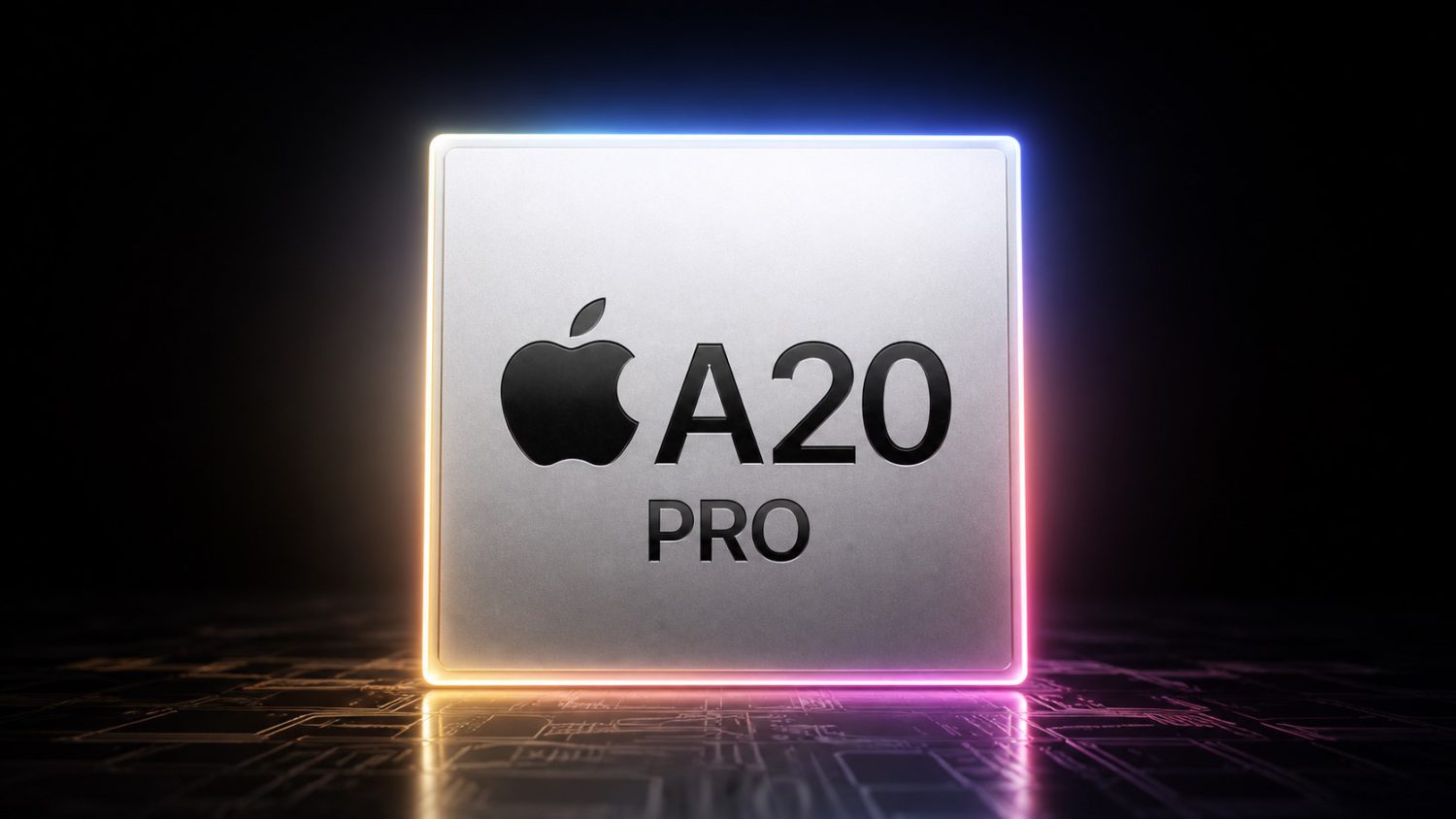
- A20 chip
- 12GB RAM
- 5,500mAh battery
But you’re also looking at a 255-gram device that’s inherently more fragile than a regular iPhone, with a screen that costs exponentially more to replace. Without a compelling software story, reviewers would inevitably frame it as “a gorgeous way to watch Netflix for the price of a used car.”
AI Became the New Flagship Battleground
While Apple delayed, competitors made AI their entire identity.
The smartphone industry shifted under Apple’s feet. Samsung now markets its flagships as “Galaxy AI” devices first, emphasizing live translation and generative photo tools over processor speeds. Google’s Pixel line built its reputation entirely around AI-powered camera features and smart assistants.
Apple’s own strategy documents describe the Ultra line as showcasing “deeper AI integration across its ecosystem”—not coincidentally, those rumored 12GB of RAM and specialized chips are clearly designed for heavy AI workloads, not just scrolling Instagram on a bigger screen.
Perfect Timing Saved a Potential Disaster
Mature AI transforms the foldable from novelty to necessity.
Here’s where the timeline gets interesting. By 2026, Apple’s AI features are reportedly mature enough to justify that tablet-sized canvas. Imagine split-screen workflows with an AI assistant handling research while you draft emails, real-time translation during video calls, or generative photo editing that actually benefits from extra screen real estate.
Suddenly you’re not paying $2,300 for a hinge—you’re investing in Apple’s ultimate AI workstation that happens to fold. The hardware becomes the vehicle for genuinely transformative software experiences that simply don’t work as well on a regular iPhone.
Without this AI transformation, Apple’s foldable would have joined the graveyard of beautiful, expensive curiosities that missed their cultural moment. Instead, it might just define what premium smartphones become.