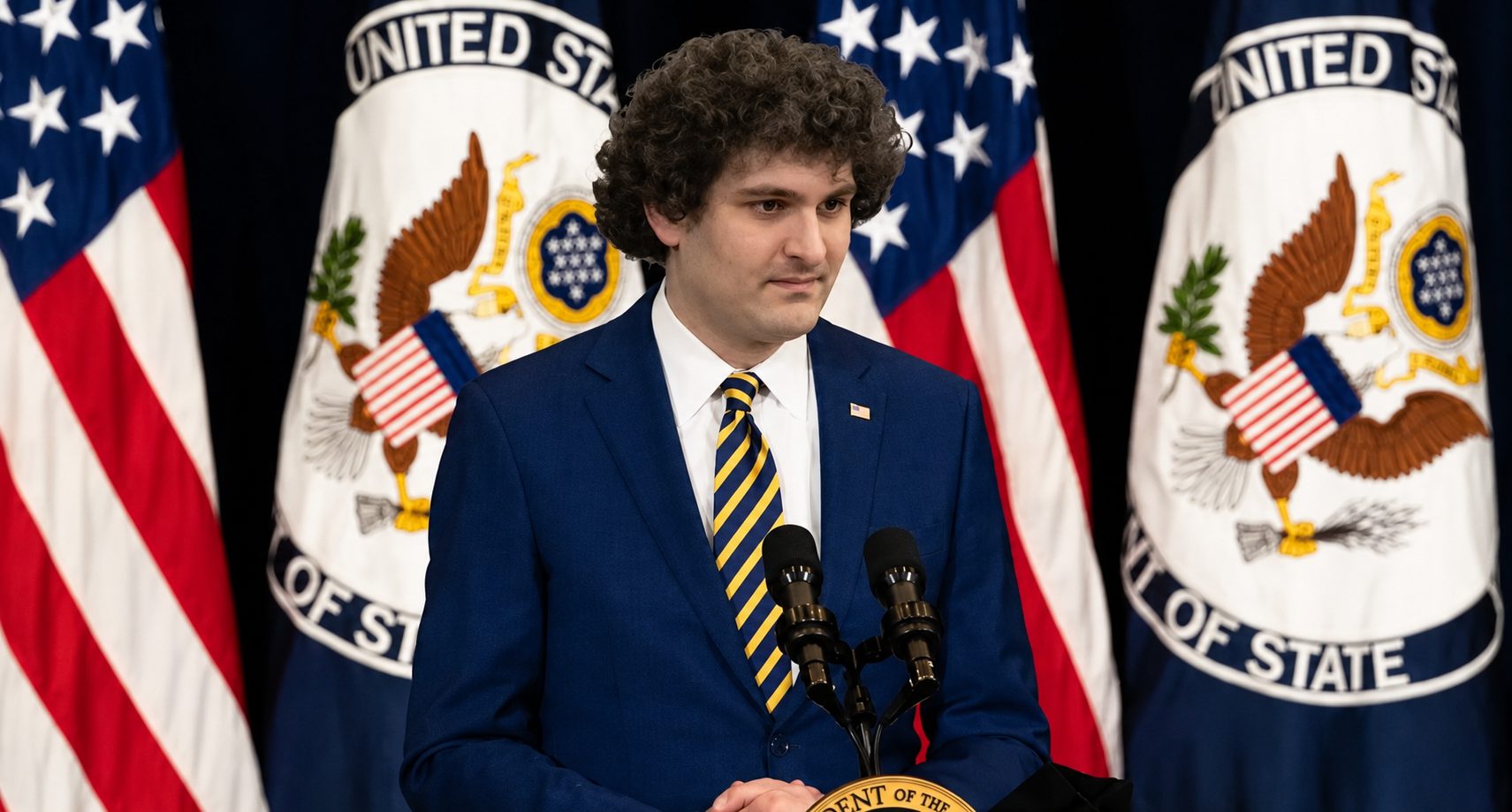
A federal appeals court just slammed the door on Sam Bankman-Fried’s hopes for freedom. The Second Circuit’s three-judge panel not only upheld his conviction and 25-year prison sentence—they called him the “main driver of one of the largest frauds on record.” That’s judicial language for “absolutely not getting out of this.”
The court’s opinion demolished every argument SBF’s legal team threw at them. Claims of trial bias? Rejected. Arguments that Judge Lewis Kaplan unfairly limited his testimony? The appeals judges found Kaplan acted within proper discretion. The evidence against Bankman-Fried was, in the court’s words, “conservatively stated, robust.”
The Staggering Scale of FTX’s Collapse
Remember what SBF actually did here. From 2019 to 2022, he siphoned over $8 billion in FTX customer deposits to his trading firm Alameda Research. That money funded risky investments, political donations to both parties, and luxury real estate purchases. All while he repeatedly assured customers their funds were safe and segregated.
The jury convicted him on seven counts including wire fraud and conspiracy. Prosecutors documented fraud against:
- FTX customers ($8+ billion)
- Equity investors ($1.7+ billion)
- Alameda’s lenders ($1.3+ billion)
The $11 billion forfeiture order—designed to compensate victims—also survives intact.
Last-Ditch Options Running Thin
Bankman-Fried sits in FCI Terminal Island, a low-security federal prison in Los Angeles, weighing his increasingly desperate options. He can ask the full Second Circuit for en banc review, though such rehearings rarely happen. A Supreme Court petition represents an even longer shot—the justices accept only a tiny fraction of cases.
His Hail Mary? A presidential pardon application recently submitted to the White House.
Crypto Industry Faces Regulatory Reality Check
This decision sends an unmistakable message: misappropriating customer funds in crypto carries the same consequences as traditional financial fraud. The appeals court’s harsh language signals that judges won’t buy “innovative technology” defenses when basic theft occurs.
For FTX’s creditors, the affirmed criminal conviction removes legal uncertainty while the bankruptcy process continues. Victim recoveries will ultimately depend on asset sales—including the estate’s valuable stake in AI company Anthropic. The ruling proves what regulators have insisted all along: existing securities and fraud laws work just fine in the digital asset space, continuing a pattern of tech scandals where innovative facades mask traditional financial crimes.