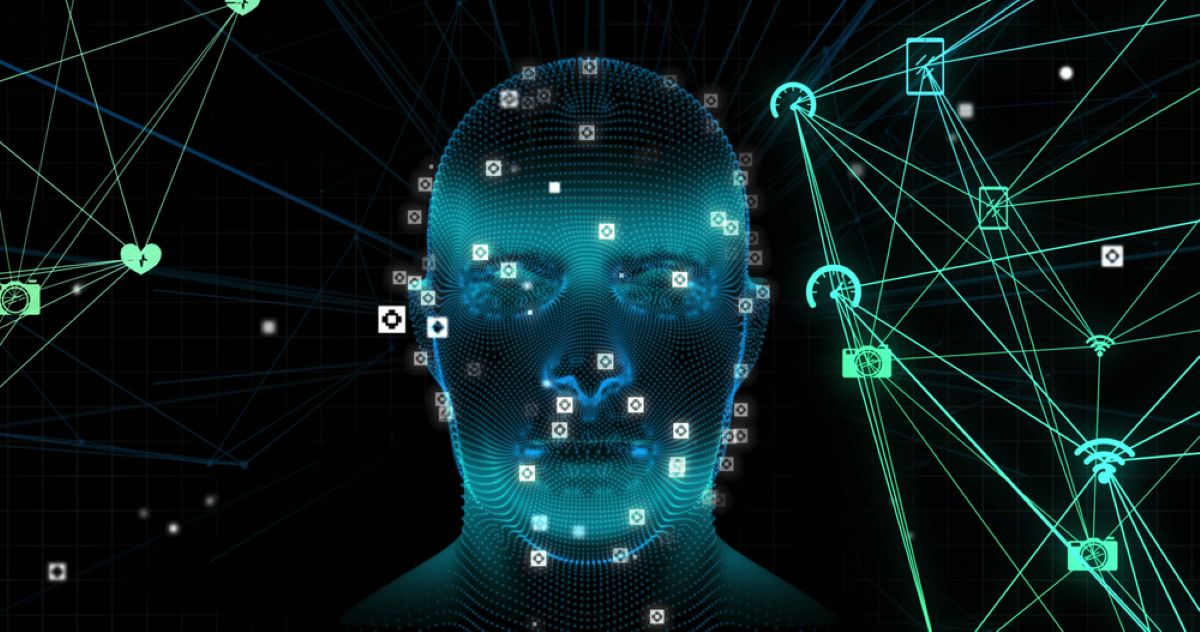
Walking through the mall shouldn’t feel like a police lineup, but chances are you’re already in one. That innocuous security camera above the food court? It’s not just recording—it’s scanning faces, matching them against databases, and logging your presence in real-time. While you’re deciding between pizza and tacos, facial recognition systems are deciding whether you’re a shoplifter, a person of interest, or just another data point in someone’s surveillance app.
The Quiet Invasion of Public Spaces
Biometric mass surveillance has spread faster than TikTok trends, with less oversight than a high school parking lot.
This isn’t science fiction—it’s Tuesday afternoon in America. At least 75 of 176 countries now deploy AI-powered surveillance technologies in public spaces, according to recent surveys. China’s “Sharp Eyes” project alone burned through $2.1 billion building near-total biometric coverage, leaving 80% of Beijing residents feeling constantly watched.
Privacy International warns we’re witnessing “the end of privacy in public,” as facial recognition transforms ordinary streets into searchable databases of human movement. These systems don’t just watch—they identify, catalog, and track your movements across locations in real-time, often tracking users without their knowledge.
Legal Limits That Don’t Actually Limit
America’s biometric laws are a patchwork quilt with gaping holes where your privacy should be.
Here’s the kicker: there’s no comprehensive federal law governing biometric surveillance in public spaces. None. The FTC can chase companies for “unfair practices” after the damage is done, while states like Illinois, Texas, and Washington offer scattered protections that mostly cover commercial use—not the cop with a handheld face scanner or the transit authority’s new security upgrade.
Even where notice-and-consent rules exist, they rarely address live facial recognition in public spaces, leaving a canyon-sized loophole for mass surveillance. Illinois’ BIPA prohibits selling biometric data but doesn’t stop public-space scanning itself.
The Infrastructure Problem
Once biometric surveillance infrastructure exists, it rarely stays in its lane.
The real danger isn’t individual cameras—it’s the persistent identity infrastructure being built piece by piece. That retail analytics system becomes a law enforcement pipeline. Event security morphs into protest monitoring.
As Greens/EFA lawmakers put it, biometric surveillance “fuels racial discrimination” and represents an “enormous breach of privacy” that simply shouldn’t exist in democratic societies. The hardware gets installed for one purpose, then quietly repurposed for others without renewed public consent.
The Point of No Return
Civil liberties groups are sounding the alarm before it’s too late to pump the brakes.
Campaigns like “Reclaim Your Face” and “End of Privacy in Public” aren’t just catchy slogans—they’re recognition that we’re approaching a point of no return. Once biometric surveillance becomes normalized in public spaces, rolling it back becomes nearly impossible. The infrastructure exists, the databases are populated, and the justifications multiply.
Should you be able to walk down a street without being constantly identified and logged? That’s the fundamental question lawmakers keep avoiding while the surveillance state builds itself, one camera at a time.