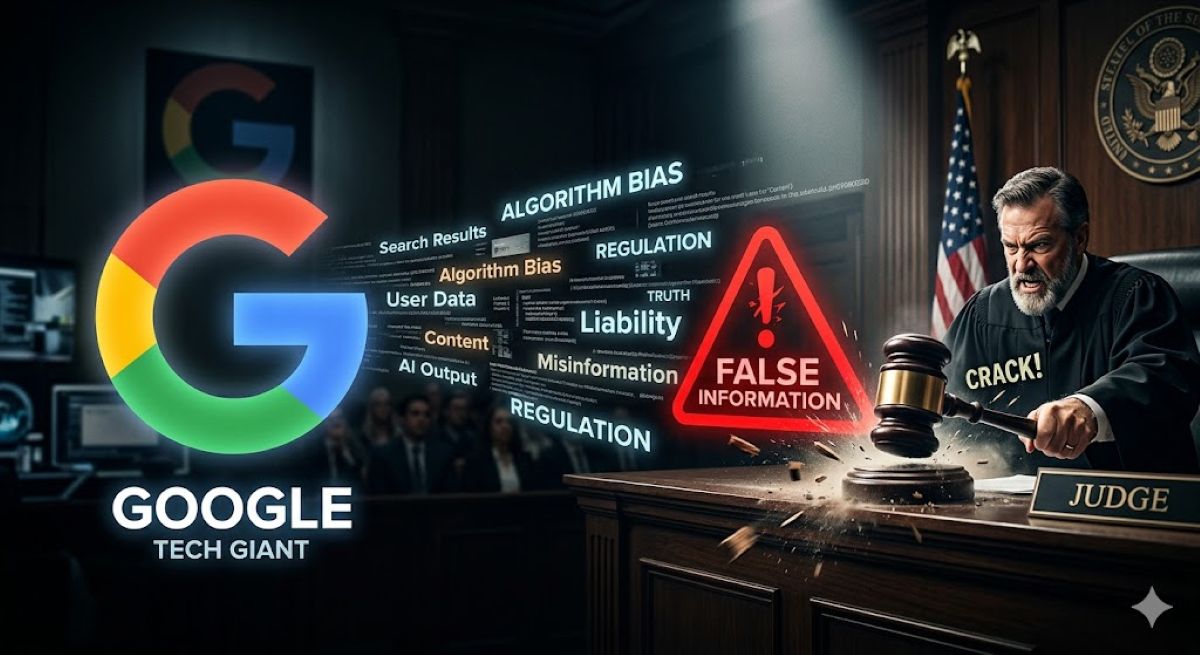
You search for a local business and Google’s AI Overview confidently states they’re “known for dubious practices” and “often perceived as a scam.” Turns out, that’s completely false. While the specific details of a reported Munich court case remain unverified, the broader question of AI liability is reshaping how we think about automated content generation.
AI Summaries Aren’t Search Results, Legal Experts Argue
Legal precedent could treat Google’s AI Overviews as the company’s own statements, not neutral search aggregation.
The distinction matters more than you might think. Traditional search results point you toward third-party websites—Google essentially says “here’s what others are saying.” AI Overviews synthesize information and present it as authoritative summaries. That fundamental difference could create new liability frameworks when those summaries contain false or defamatory content.
The “Trust But Verify” Defense Under Scrutiny
Courts may reject arguments that source links absolve platforms of responsibility for AI-generated falsehoods.
Tech companies often argue users understand AI output requires verification and shouldn’t be blindly trusted. The linked sources, they claim, let people fact-check information themselves. But providing verification tools doesn’t automatically remove liability for false statements generated and displayed by the platform’s own system. This represents a significant departure from traditional search liability, where platforms typically avoid responsibility for third-party content they index.
Commercial Stakes Drive Legal Accountability
Courts weigh platform commercial interests against victims’ reputational damage in liability cases.
Unlike passive search indexing, AI Overviews tie directly to commercial activity. When platforms synthesize information to keep users engaged with their services, that active curation could carry legal weight. This commercial context proves crucial for future AI liability cases, potentially creating frameworks where AI-generated summaries carry the same legal responsibility as publisher-originated content.
Ripple Effects Across AI Search Landscape
Emerging precedents could reshape how AI assistants and search tools handle information synthesis globally.
Every chatbot and AI assistant that synthesizes information from multiple sources faces potential liability for factual errors. While specific court cases develop, the underlying principle remains clear: platforms might finally face real consequences for spreading misinformation—even when it’s algorithmically generated rather than intentionally published. For users relying on AI summaries for everything from restaurant reviews to medical advice, this shift toward accountability can’t come soon enough.