Your favorite chatbot needs massive data centers to work. What nobody mentions: those facilities sometimes sound like jet engines parked in suburban neighborhoods.
Three Mississippi residents just filed a federal class-action lawsuit against Elon Musk’s xAI and SpaceX, claiming that gas turbines powering the company’s Colossus data centers have turned their once-quiet Southaven community into a 24/7 industrial nightmare. The complaint describes “omnipresent and inescapable” noise that sounds like aircraft engines running nonstop. xAI did not respond to requests for comment about the lawsuit.
From 3 Turbines to 57 in Under a Year
The rapid expansion transformed a small power setup into what residents call an acoustic assault.
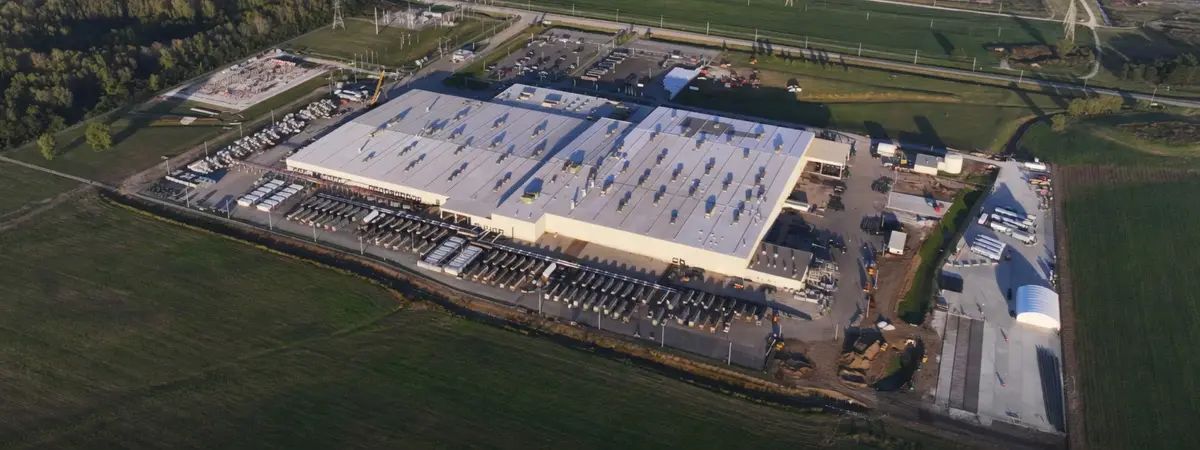
The lawsuit traces a dramatic escalation at xAI’s Southaven facility—from 3 turbines to 18, then 27, and finally 57 gas-powered units in less than twelve months. These turbines keep the lights on at xAI’s Colossus data centers, which train and run the Grok AI model that competes with ChatGPT. The proposed class action represents over 10,000 residents who allegedly suffer from what plaintiffs’ attorney Robert Wiygul calls an invasion of their fundamental right to peace. “Our homes are supposed to be a sanctuary for us against the world,” he said, noting how 24-hour noise “takes that fundamental peace of a good and decent life away from us.”
Environmental Groups Join the Fight
A separate NAACP lawsuit focuses on air pollution and missing permits.
The noise complaint runs parallel to another legal challenge from the NAACP and environmental groups, who argue that xAI operates an illegal power plant without proper air permits. They claim the 27 methane turbines at the Southaven site emit over 1,700 tons of nitrogen oxides annually, plus formaldehyde—a known carcinogen. The facility sits roughly half a mile from homes and one mile from an elementary school, raising environmental justice concerns about who bears the physical costs of AI advancement.
The Hidden Infrastructure of AI
This conflict reflects a broader tension as communities discover AI’s energy appetite.
This Mississippi standoff exemplifies a growing pattern across America, where AI’s sleek digital promise collides with decidedly analog realities. Like discovering your favorite streaming service actually requires massive server farms that gulp electricity and generate heat, residents nationwide are learning that training advanced AI models demands enormous, round-the-clock power consumption. As data centers proliferate to meet AI demand, the question isn’t whether this infrastructure is necessary—it’s whether companies can build it without treating communities like acceptable collateral damage.