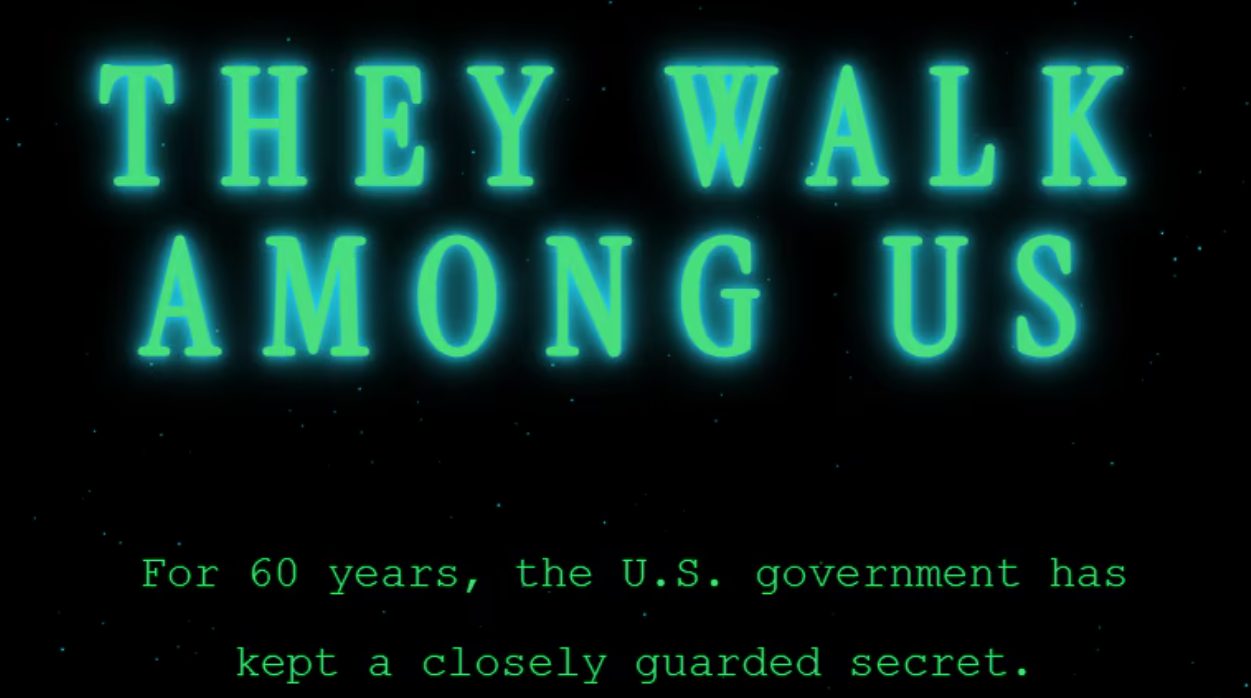
The White House just dropped a website that looks like it belongs on Ancient Aliens but functions like a government surveillance app. “They walk among us,” the site declares, promising 60 years of hidden alien secrets—before redirecting you to ICE arrest counters and migrant reporting tools. Think Black Mirror meets border patrol, wrapped in X-Files aesthetics to make mass deportation feel like entertainment.
Dashboard Surveillance Disguised as Sci-Fi Fun
The site gamifies immigration enforcement with real-time arrest counters and interactive heat maps.
Behind the UFO theatrics sits a comprehensive surveillance dashboard. You get live arrest tallies climbing into the millions, interactive heat maps showing ICE operations by state, and direct access to report “suspicious aliens” to federal authorities. The administration calls this transparency; critics see propaganda that turns neighbors into informants. A White House official described the project as a “first-of-its-kind effort” to draw attention to what they call the previous administration’s “porous border.”
When Government Adopts Gaming Aesthetics
The alien framing transforms legal terminology into dehumanizing entertainment.
The site exploits immigration law’s use of “alien” to mean non-citizen, spinning legal jargon into sci-fi narrative. But gamifying enforcement data crosses new lines. You’re essentially invited to play immigration officer through an interface that feels more like a mobile game than government policy. This isn’t just about harsh enforcement—it’s about normalizing surveillance as civic participation through slick design and pop-culture hooks.
Real Violence Behind the Alien Theater
While the site makes entertainment of enforcement, serious human rights concerns mount in detention facilities.
The website’s playful tone contrasts sharply with detention realities. Roughly 73,000 people currently sit in ICE detention facilities, with hunger strikes reported over inadequate food and medical care. Immigration advocacy groups document systemic problems including medical neglect and abuse within the detention system. Meanwhile, protests against enforcement policies have erupted nationwide, highlighting the disconnect between the site’s entertainment value and actual human consequences.
Political Theater Meets Policy Reality
Despite the marketing blitz, immigration funding faces significant political obstacles.
The alien website arrives as Trump’s broader immigration agenda encounters legislative challenges. The slick dashboard can’t paper over gaps between promotional rhetoric and policy implementation. You get sci-fi aesthetics while the actual enforcement machinery requires sustained political and financial support that remains uncertain.
The bigger question isn’t whether this website works as propaganda—it’s what happens when government agencies start adopting entertainment industry tactics to sell coercive power. Today it’s UFO-themed immigration enforcement; tomorrow it might be gamified surveillance for any policy the administration wants public support for.