Matt Long opened a January prayer at Granbury’s city council meeting with an unusual request: that “in Jesus’ name,” newly annexed land wouldn’t become a data center. The development commissioner wasn’t asking for healing or guidance—he was invoking divine intervention against artificial intelligence infrastructure.
Welcome to the strangest front in America’s AI buildout, where conservative Texas towns are fighting the very industry their state desperately wants to attract.
When Pro-Business Texas Meets NIMBY Reality
Governor Abbott’s “AI epicenter” vision crashes into small-town resistance.
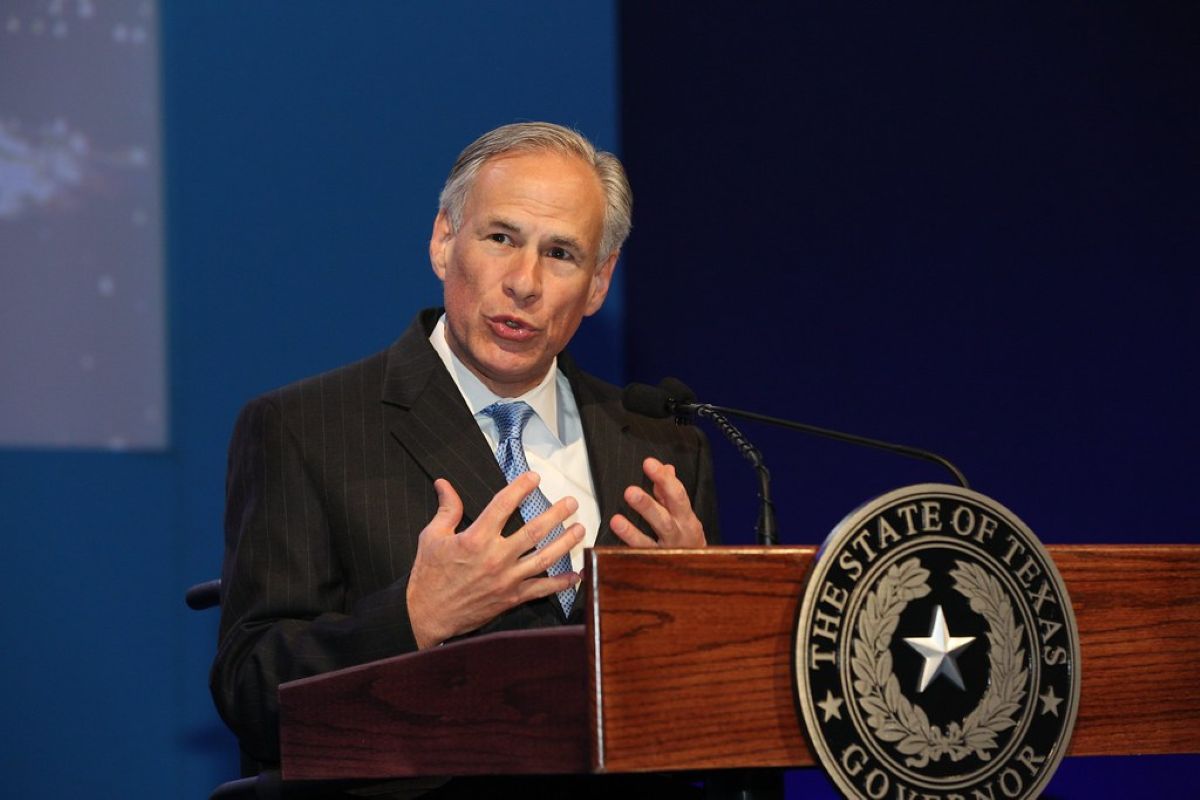
Gov. Greg Abbott has branded Texas the “epicenter of AI development,” courting projects like OpenAI’s massive “Stargate” campus in Abilene. The state is betting big—$3 billion in tax breaks over two years—to become the world’s largest data center market by 2030.
But that ambition is colliding hard with residents in places like Hood County, where Sailfish Development wants to build a 2,600-acre complex that could consume a million gallons of water daily. The proposed Comanche Circle project would sprawl larger than nearby Glen Rose.
In Granbury, the city quietly rezoned 2,100 acres for “Project Patriot,” another AI-ready facility. Residents discovered the plan only after annexation was complete. Now they’re suing, claiming officials misled them about industrial development bordering their hospital and school.
Counties Legally Powerless as Residents Revolt
State law leaves local governments with few tools to slow the AI gold rush.
Hood County commissioners tried twice to impose development moratoriums—and failed both times in 3-2 votes. The reason? Texas counties lack constitutional authority to pause development, according to legal counsel and state Senator Paul Bettencourt’s warnings about potential lawsuits.
Commissioner Kevin Andrews summed it up bluntly: “The short answer: no.” The county has now asked Attorney General Ken Paxton for clarity, essentially begging for permission to protect themselves from projects they can’t legally stop.
Frustrated residents are turning to courts instead. They’re suing MARA Holdings over constant noise from a Bitcoin mining facility, claiming headaches and sleep loss from round-the-clock industrial humming. The company insists its “immersion cooling technology” runs quietly, but neighbors living directly across from the facility disagree.
The Prayer vs. Progress Paradox Goes National
Texas’s AI resistance reflects broader American skepticism about data center expansion.
This isn’t just Texas exceptionalism. A March Gallup poll found 70% of Americans oppose having AI data centers built near them, while communities nationwide have blocked or delayed $156 billion worth of projects since 2023.
From Pennsylvania townships drawing 1,000-person crowds to Florida residents fighting “Project Tango” near Mar-a-Lago, the pattern is clear: America wants AI’s benefits without its industrial footprint.
The Granbury prayer captures something deeper than typical development disputes. When conservative residents start talking like environmentalists about water conservation and air quality—and invoking Jesus against tech infrastructure—it signals that AI’s promised land might not be as welcoming as advertised.
Texas built its identity on being pro-business and anti-regulation. Turns out, even Texans want some regulation when the server farms come home.