You know that poster on your wall, the one of the impossibly sleek sports car promising endless open roads and admiring glances? Well, sometimes that glossy image hides a future where your wallet weeps and your mechanic knows you by your first name. It turns out not all dream machines live up to the hype. These automotive archives reveal 15 sports cars that, despite their looks or legendary status, turned out to be more headache than horsepower. Get ready to see which automotive icons might be best admired from afar, saving you from a potential money pit disguised as a joyride.
15. Ford Thunderbird (2002-2005)
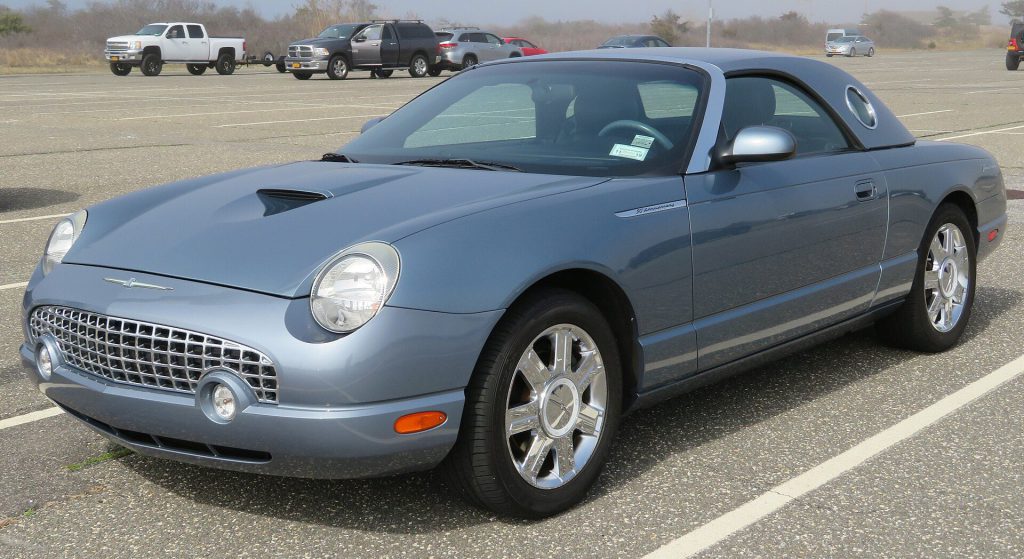
Ford tried to bottle lightning but ended up with lukewarm soda.
The 2002 Ford Thunderbird threw nostalgia at buyers like confetti at a parade, complete with a cute porthole hardtop design. The guts just didn’t roar. You got a 3.9L V8 coughing out a measly 252 horsepower, tasked with motivating nearly 3,800 lbs of metal. That’s like trying to power a small apartment building with a single AA battery.
Driving these Thunderbirds felt less like commanding a legend and more like piloting a plush living room on wheels. The handling was so soft it could double as a pillow, and let’s not even start on that convertible top mechanism—a true test of patience and your relationship with the dealership service department. Today, these stylish cruisers fetch between $12,000 and $22,000, offering looks that could kill, but performance that barely makes you blink.
14. Pontiac Fiero (1984-1988)
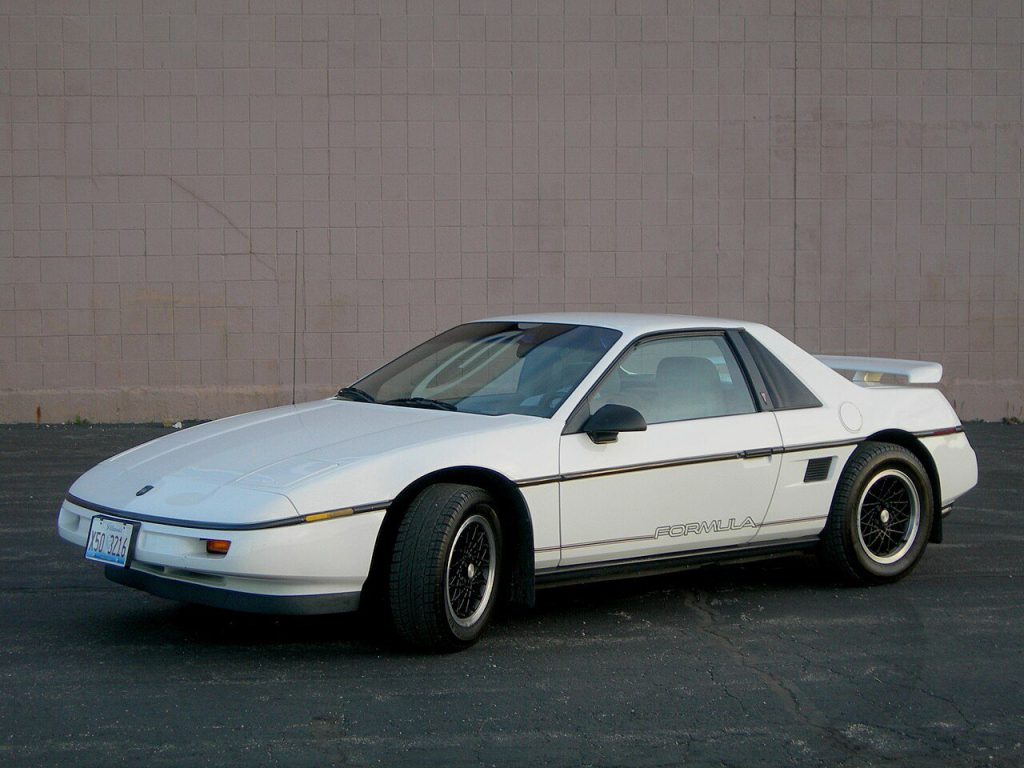
Detroit dangled the dream of an affordable mid-engine sports car, then delivered a flavorless kale smoothie.
The 1984 Pontiac Fiero arrived with European styling that screamed cool. Unfortunately, the reality packed less punch than expected. Its base 2.5L Iron Duke engine coughed out a mere 92 horsepower, which felt about as sporty as a beige minivan. Worse, early models had a knack for slurping oil and, uh, spontaneously combusting, making every drive feel like a gamble.
The suspension, lifted straight from the humble Chevette, offered all the sporting prowess of a shopping cart. While the later 1988 Formula variant hinted at redemption, its potential was snuffed out. Finding a decent Fiero today, generally priced between $8,000 and $18,000, requires digging through a minefield of neglected or butchered examples—a sad testament to a good idea poorly executed.
13. Chevrolet Corvette C3/C4 (1975-1985)
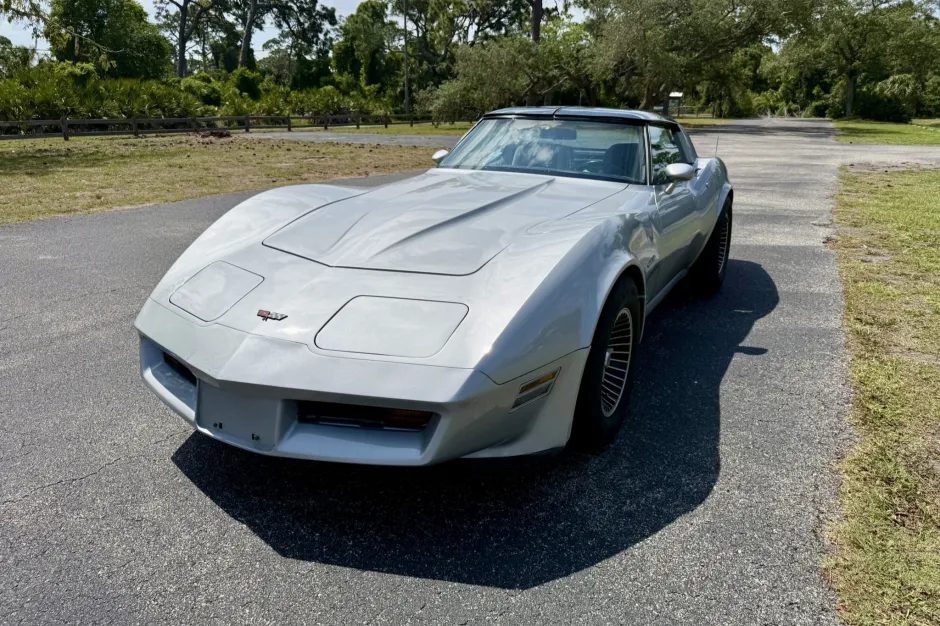
Even legends have off days, and these generations offered potholes instead of shortcuts to glory.
The Corvette badge carries a certain swagger, a promise of speed and style. But by 1975, emissions regulations had neutered the iconic 350 V8 down to a mere 165 horsepower, barely enough to stir the air around a car weighing over 3,500 lbs. Even by 1980, the L48 engine was coughing out a more respectable, but still lethargic, 190 horsepower.
Then came the early C4 models from 1984 to 1985. They looked sleek, sure, but were about as reliably built as a house of cards in a hurricane. Expect inconsistent paint jobs, interior rattles that sounded like maracas having a nervous breakdown, and electrical gremlins that could short-circuit your entire day. While you might snag one for between $10,000 and $20,000, remember you’re buying the badge, not necessarily the brilliance.
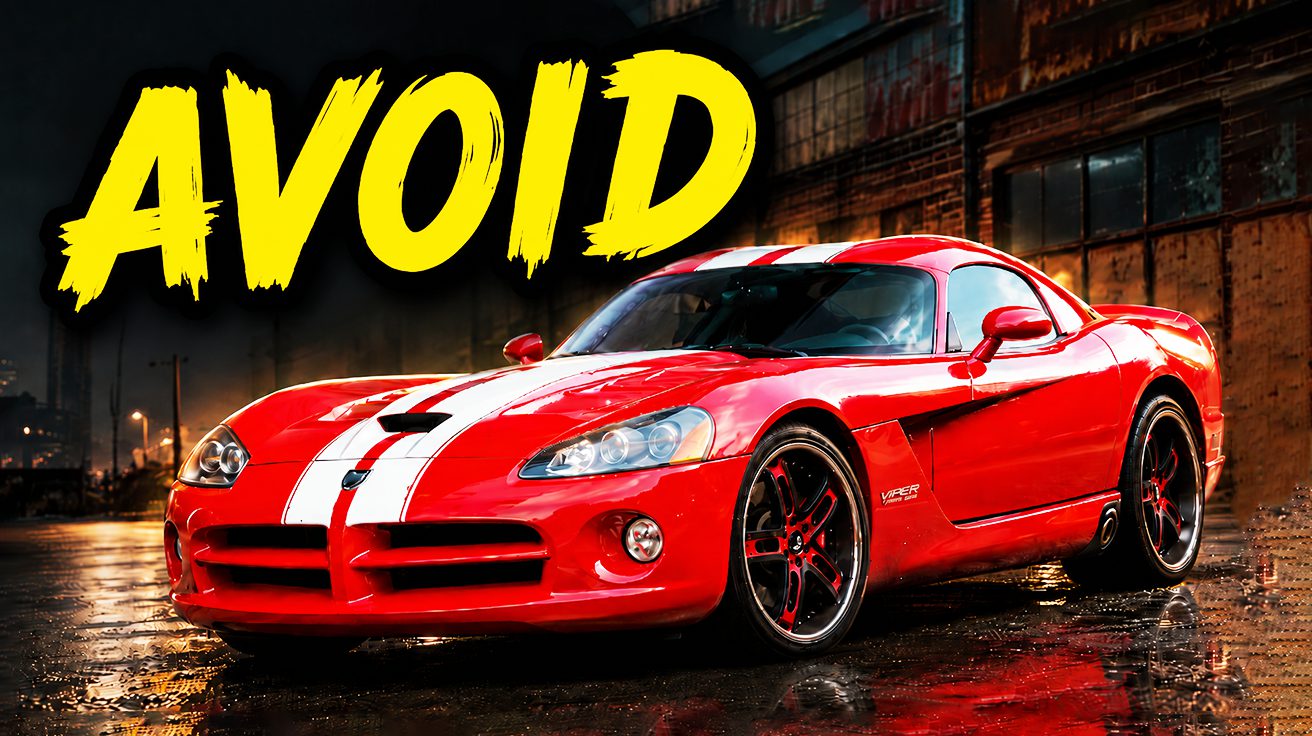
12. Dodge Viper (1992-2002)
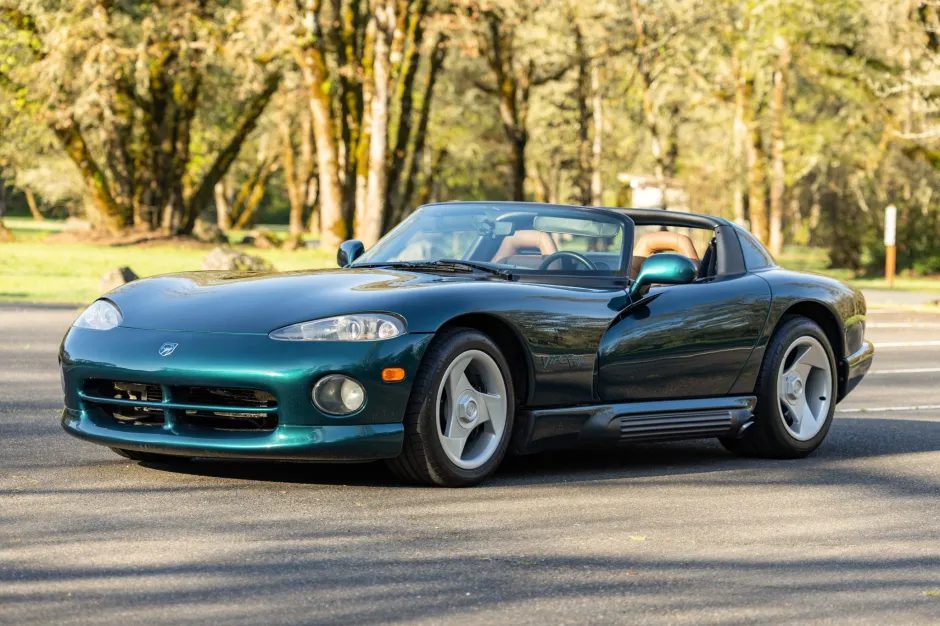
This beast offered zero apologies and even fewer safety nets.
The original Dodge Viper arrived like a pissed-off rockstar, all raw power and zero tech nannying. Forget ABS, traction control, or stability management – this beast offered none of that safety net. It packed a colossal 8.0L V10 engine, delivering torque that could rearrange your spine, paired with side exhaust pipes that posed a genuine burn hazard.
This car demands respect, like trying to herd a runaway bull with a toothpick; handle it wrong, and it bites back hard. The heavy clutch alone feels like a workout worthy of a CrossFit competition. Early models, now fetching between $25,000 and $45,000, attract enthusiasts who view electronic nannies as a personal insult. If you’re not ready for a car that actively tries to throw you into a ditch, maybe stick to something with more safety nets.
11. Chevrolet SSR Super Sport Roadster (2003-2006)
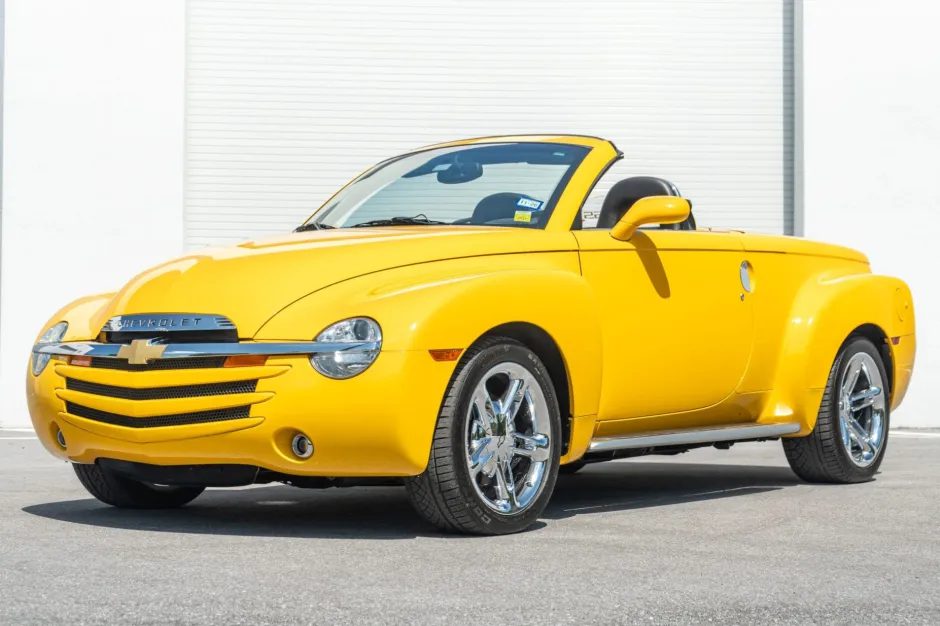
An ambitious blend of retro pickup and convertible sports car that wrestled with an identity crisis.
Launched with bold styling, the Chevrolet SSR certainly didn’t blend in. Early models, from 2003 to 2004, rolled out with a 300 horsepower LSV8, which felt more like a polite suggestion than a performance statement for a vehicle with an original MSRP between $42,000 and $48,000.
While its folding hardtop was a neat trick, the truck bed was barely large enough to hold a decent grocery run, and its considerable weight kept it from truly hugging corners like a sports car. Later models did see an engine upgrade, but the SSR always wrestled with being too small to haul and too heavy to perform. Today, you can snag a clean example for anywhere from $18,000 to $32,000, making it less a practical purchase and more a rolling conversation starter.
10. Chrysler Crossfire (2004-2008)
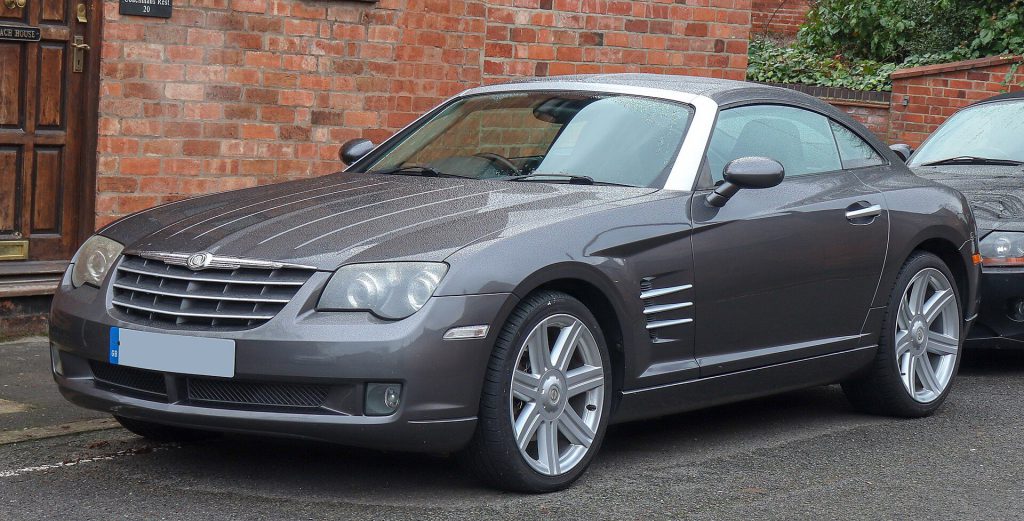
A bold gamble that landed somewhere between inspired and ill-advised, like wearing socks with sandals to a black-tie event.
Built on the Mercedes-Benz SLK platform, the Crossfire hinted at European sophistication with its polarizing exterior design. The real kicker came when things went wrong. Repairs often involved Mercedes-Benz parts pricing, despite the car’s depreciated market value now hovering between $7,000 and $14,000.
The electrical systems, transmission, and climate control, all straight from Stuttgart, decided to keep their premium repair costs. Mechanics not intimately familiar with this automotive split personality can easily rack up charges faster than you can say “diagnostic fee.” The SRT6 supercharged model offered some genuine grunt, but even that couldn’t outrun the looming shadow of expensive, specialized repairs.
9. Pontiac Solstice GXP (2006-2009)
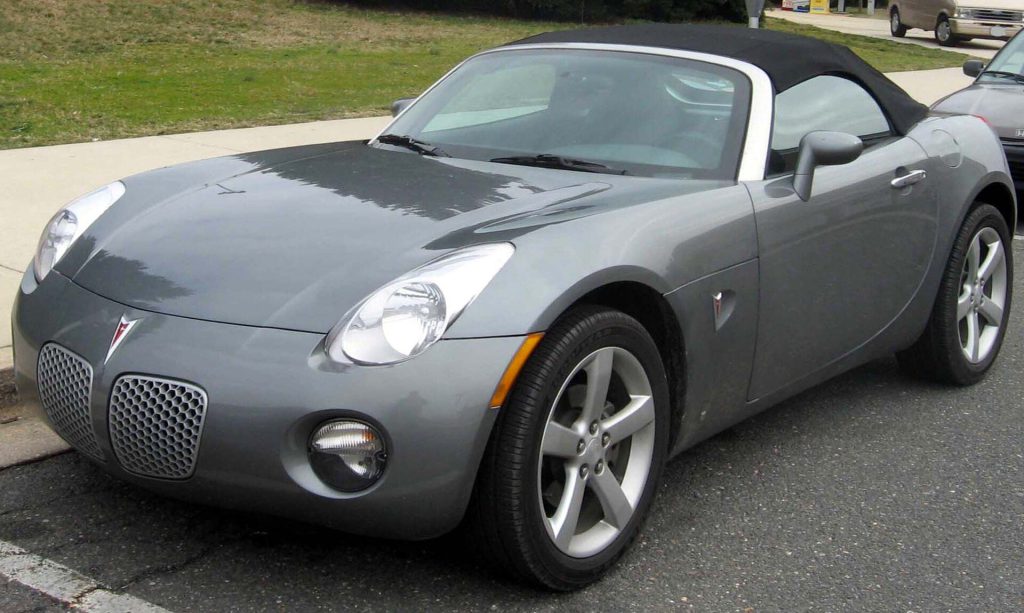
Looking like it escaped from a futuristic concept car sketch, but with quirks that demanded acceptance.
The Pontiac Solstice GXP arrived with visual punch and a turbocharged 2.0-liter four-cylinder engine pumping out 260 horsepower for an original sticker price hovering around $30,000. It’s the kind of car that makes you feel like you’re starring in your own low-budget action movie.
The trunk is basically a suggestion box—it’s that small. And that manual convertible top? It’s less a convenience and more a two-handed wrestling match that requires good lighting and a healthy dose of patience. Inside, the cabin materials whisper “budget” louder than a library during finals week. Now, these stylish roadsters fetch between $10,000 and $18,000, offering undeniable looks but demanding you accept their quirks as part of the charm.
8. Saturn Sky Redline (2007-2009)
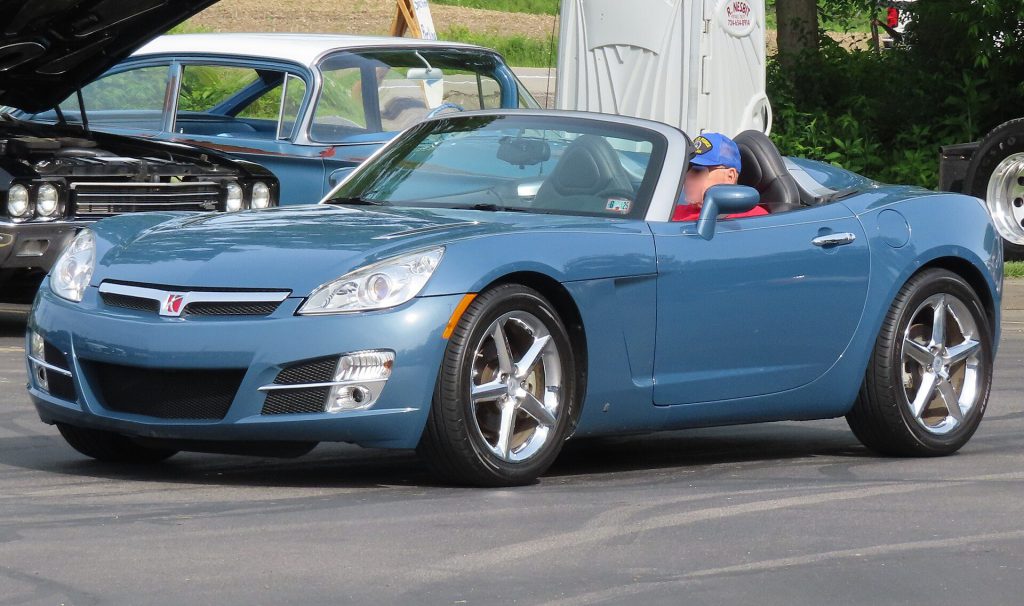
Essentially the same well-tuned recipe as the Solstice, just plated differently.
While sharing its turbocharged 260-horsepower heart with the Pontiac Solstice GXP, the Saturn Sky Redline offered a sharper look with its lower beltline and cleaner greenhouse. However, just like its sibling, practicality was an afterthought. The trunk space is more for show than storage, and wrestling with that manual convertible top feels like a solo game of Twister.
With the Saturn brand’s curtain call and GM’s bankruptcy saga, finding parts for these machines is becoming a scavenger hunt. Think of it like trying to find a specific vintage vinyl record that went out of print decades ago. Clean examples, the ones with spotless service histories, are now trading between $9,000 and $16,000.
7. Toyota MR2 (2000-2007)
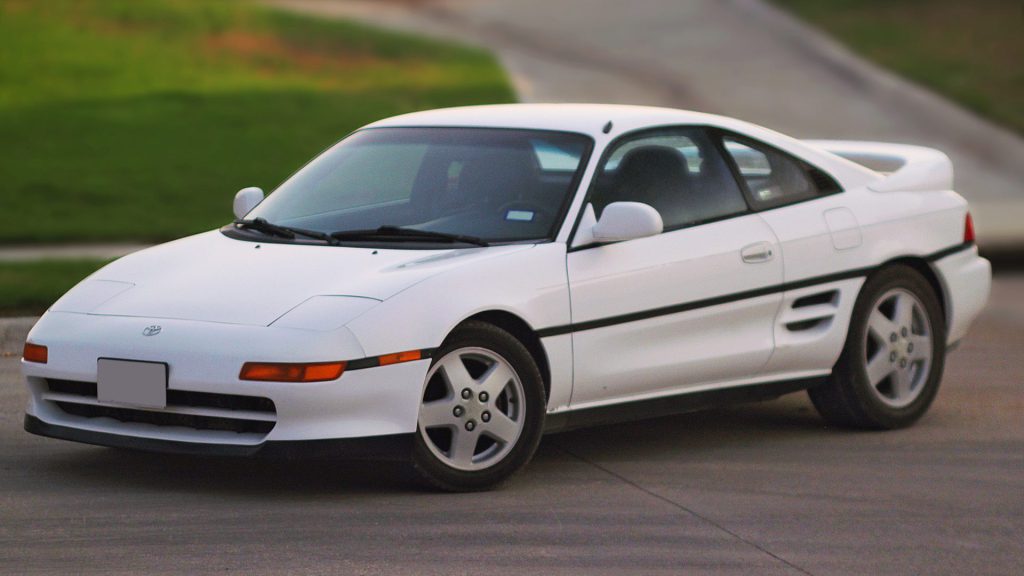
This iteration swapped turbocharged punch for a milder approach that left some enthusiasts scratching their heads.
While the Toyota MR2 nameplate always conjures images of nimble, mid-engine thrills, the third generation took a detour. This iteration swapped the turbocharged punch of its predecessor for a milder 1.8L 4-cylinder, coughing up a respectable but ultimately tame 138 horsepower. It’s like trading your go-to spy thriller for a gentle rom-com.
This car’s handling, though balanced thanks to that mid-engine layout, could get surprisingly twitchy when you really pushed it, catching more than a few drivers off-guard. Add in styling that was more “pleasant observer” than “head-turner,” and you have a recipe for divided opinion. Today, these models hover between $8,000 and $18,000, offering a lightweight experience for those who appreciate its unique place in the MR2 family tree.
6. Audi TT (1999-2006)
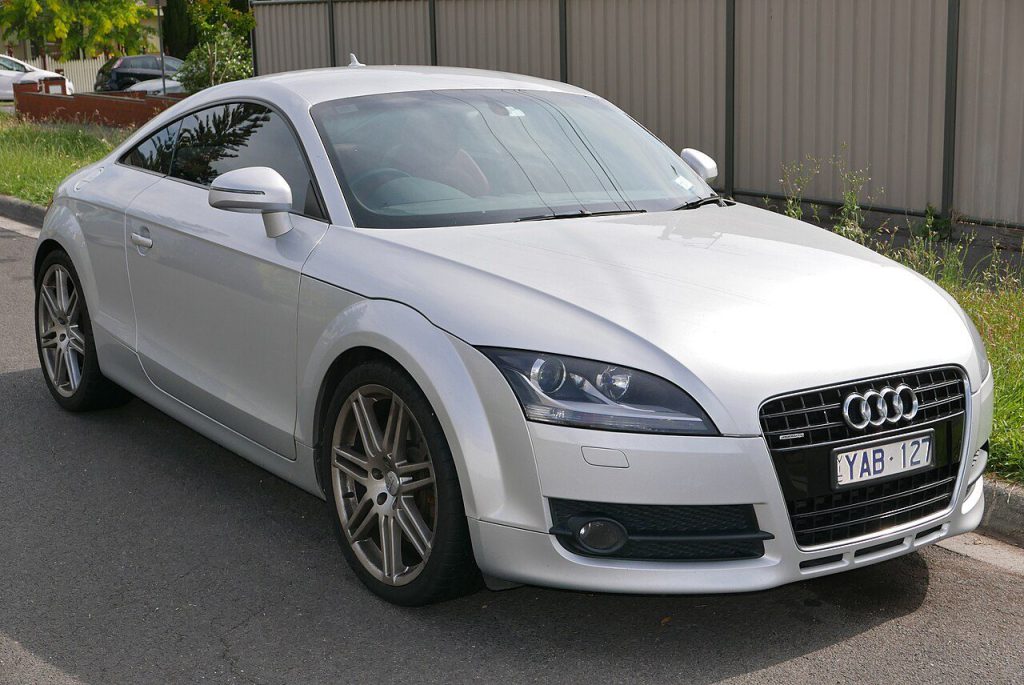
A design grenade that shattered conventional styling but came with dynamic quirks.
The first-generation Audi TT hit the automotive scene in 1999, shattering conventional styling with its radically rounded, architectural form. This distinctive look immediately hooked buyers, setting the TT apart as a benchmark in automotive design.
However, these early models had a major speed bump: stability issues at higher velocities that led to a mandatory rear spoiler recall. It’s crucial to verify this recall was properly handled, as it was key to sorting out the car’s dynamic quirks. You might snag a pretty good deal now, with prices ranging from $6,000 to $14,000. Just make sure the engineering caught up before you get swept away by the design.
5. Alfa Romeo Spider (1990-1994)
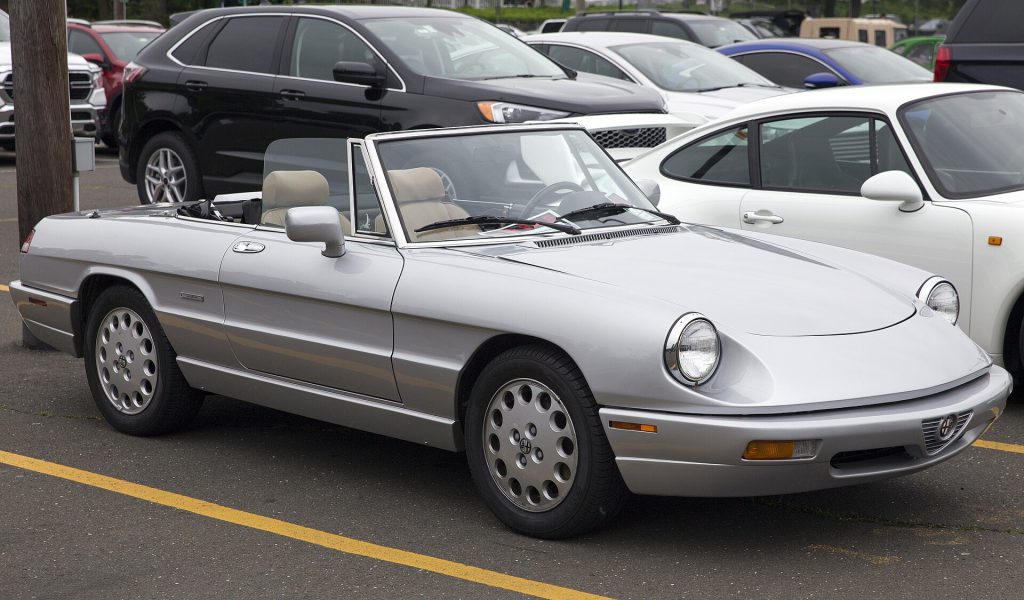
Pure automotive poetry that demands an owner who views electrical meltdowns as charming personality flaws.
The Alfa Romeo Spider from the early ’90s certainly plays the classic roadster part with its long hood and open-top charm. However, by 1990, this beauty was showing its age, much like a favorite pair of jeans that have seen better days. The electrical gremlins were notorious, capable of making even seasoned mechanics scratch their heads.
Finding a trustworthy mechanic for these temperamental Italian thoroughbreds is less like a casual search and more like hunting for a unicorn. While examples with solid service histories can fetch up to $12,000 and offer delightful sunny-day drives, be prepared for the possibility of ‘bad days.’ This car demands patience and acceptance that potential breakdowns aren’t deal-breakers, but part of its flawed personality.
4. Lotus Europa (1966-1975)
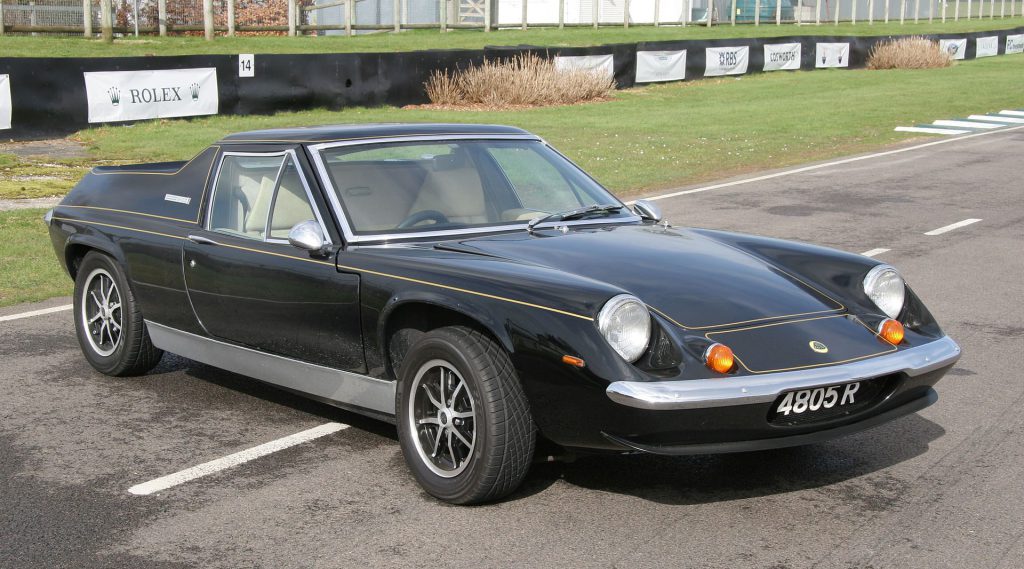
Colin Chapman’s relentless pursuit of lightness created handling so sharp it could make Ferraris feel like lumbering hippos.
The Lotus Europa’s fiberglass body and backbone chassis delivered featherlight construction and razor-sharp handling. However, this pursuit meant you’d practically need to be a contortionist to get in or out, and the build quality could range from ‘acceptable’ to ‘did someone’s nephew build this?’
Chronic electrical gremlins became its calling card, and finding parts is now like hunting for a unicorn. If you’re eyeing a clean example, prepare to drop between $25,000 and $50,000, which honestly is just the entry fee. The real cost is the ongoing patience and specialist mechanic bills required to keep this legend on the road.
3. Porsche 914 (1969-1976)
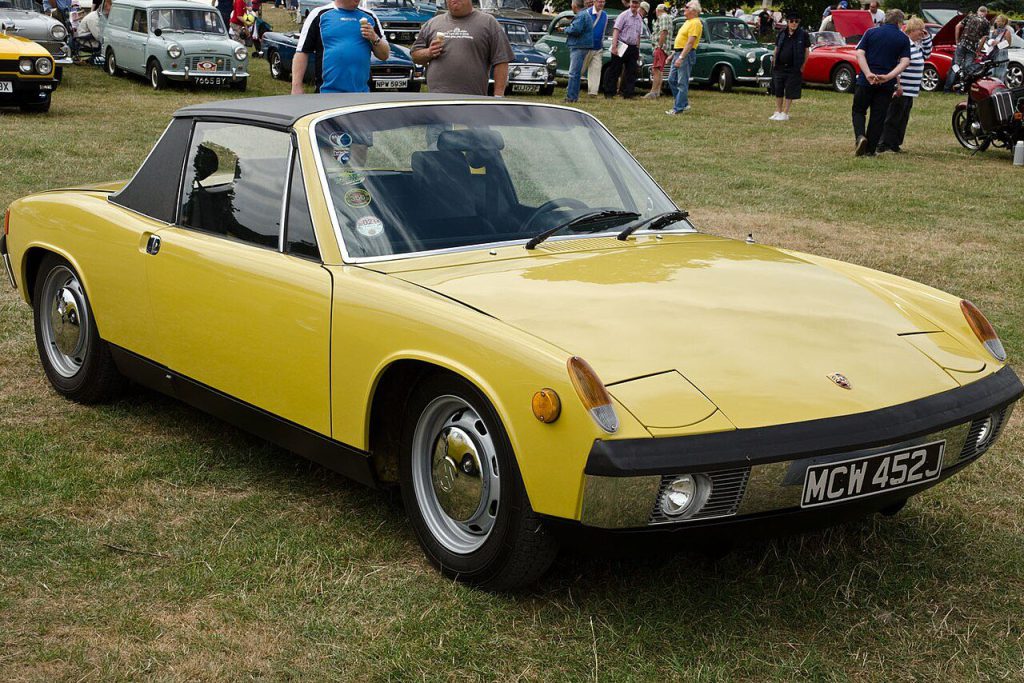
Born from a joint venture that carried the stigma of shared lineage despite perfectly balanced engineering.
The 914, born from a Porsche-Volkswagen collaboration, carried stigma from its shared lineage. Early models hobbled along with Volkswagen’s flat-four engine, and purists struggled to fully embrace its chassis despite perfectly balanced mid-engine design.
Rust is the ultimate car killer, and for the 914, it’s a particularly aggressive foe. Corrosion relentlessly attacks the rocker panels, the front trunk area, and crucial structural sections, making repairs technically demanding and prohibitively expensive. While decent examples currently trade between $15,000 and $30,000, a shiny exterior can easily hide a structural nightmare, so a pre-purchase inspection by a 914 expert is non-negotiable.
2. Shelby Series 1 (1998-2005)
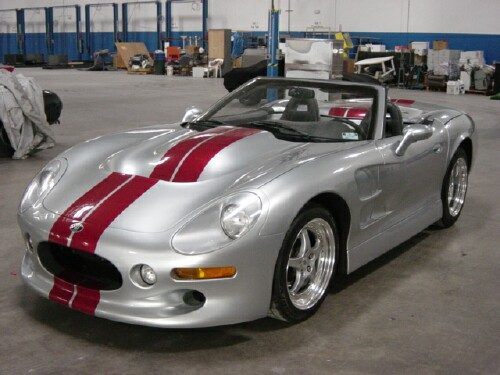
With only 249 units built, this rare bird tried channeling Carroll Shelby’s spirit but ended up more sputtering lawnmower than Formula 1 racer.
The Shelby Series 1 attempted to channel Carroll Shelby’s legendary racing spirit with only about 249 units ever built. Early buyers faced delivery delays that stretched longer than a Tuesday afternoon in a DMV line, only to receive cars with quality control issues that were frankly insulting for a vehicle initially priced around $100,000.
Finding parts for these rare birds is like searching for decent Wi-Fi in a basement – a near-impossible task. The resale market is so thin it makes a supermodel look hefty. Today, these cars fetch between $60,000 and $90,000, making them a considerable gamble for anyone not intimately familiar with the headaches of niche automotive ownership.
1. Saleen S7 (2000-2006)
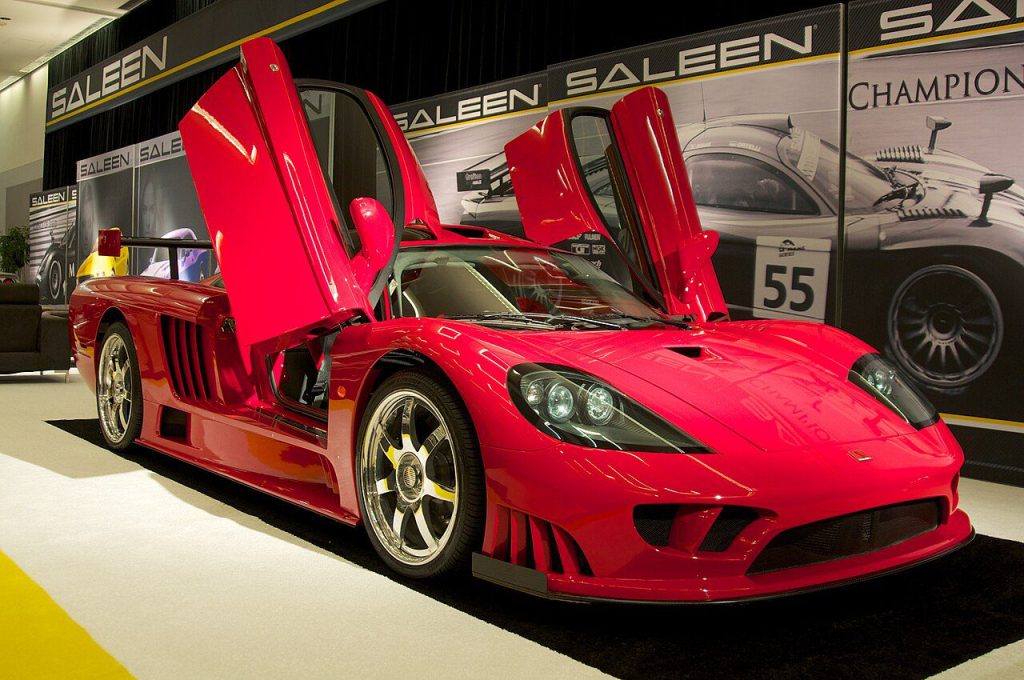
Breathtaking speed that demands a commitment in time, money, and specialized knowledge.
The Saleen S7 arrived with a twin-turbocharged V8 engine pumping out over 750 horsepower in its final form, capable of slamming from 0 to 60 mph in under four seconds. Its hand-built bodywork was pure automotive art, and its racing pedigree screamed performance.
However, owning one feels less like driving a supercar and more like wrestling a particularly stylish, extremely expensive alligator. The entry point requires a dramatic drop, mere inches from the ground, and visibility is so compromised that parking becomes a high-stakes game of precision guessing. Getting this beast serviced means finding rare specialists who actually know what they’re doing. When these machines appear at auction, expect to shell out between $400,000 and $600,000 – a car best admired from a safe distance unless you’re prepared for a serious lifestyle adjustment.