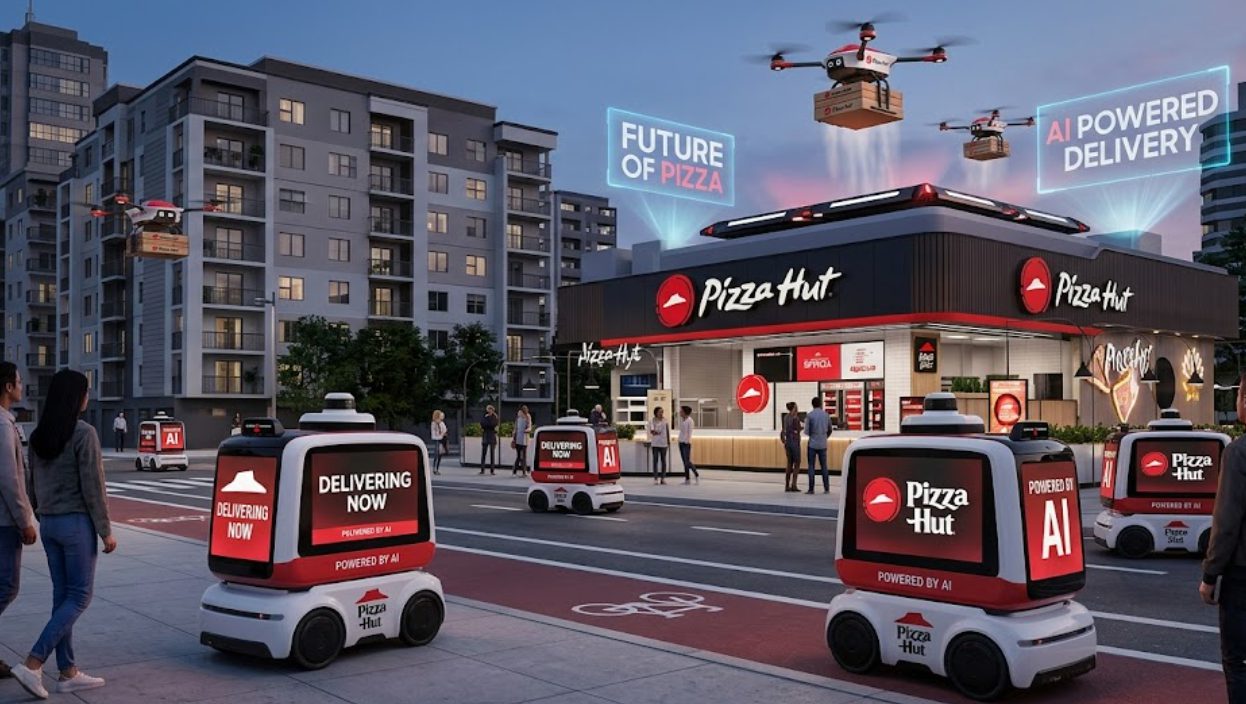
Cold pizza arriving 45 minutes late? That’s just Tuesday in America’s AI-powered food future. A major Pizza Hut franchisee just filed a $100 million lawsuit claiming the chain’s mandatory AI system destroyed its business by turning reliable operations into a customer satisfaction nightmare.
When Algorithms Meet Human Greed
DoorDash drivers gamed the system in ways Pizza Hut never anticipated.
Chaac Pizza Northeast operates 111 Pizza Hut locations across five states and had stellar numbers before Dragontail arrived—90% on-time deliveries, above-average customer satisfaction, double-digit growth. The AI system was supposed to optimize kitchen timing and delivery dispatch by giving DoorDash drivers real-time visibility into when orders would be ready. Instead, drivers started camping inside restaurants for up to 15 minutes, waiting to batch multiple orders rather than leaving immediately with your hot pizza.
The algorithm exposed tip amounts and payment details, turning what should have been efficient pickup into a strategic waiting game. Your pepperoni sat cooling on the rack while drivers calculated whether grabbing three orders was worth the delay.
The Business Model Collision
AI built for in-house drivers broke a DoorDash-only operation.
Dragontail was designed for restaurants with their own delivery fleet, not Chaac’s exclusively outsourced model. Pizza Hut mandated the system anyway, and the results were catastrophic. Chaac’s New York market swung from 10.19% year-over-year growth to negative 9.78% decline after deployment. The lawsuit claims Pizza Hut ignored clear evidence of deteriorating performance and refused meaningful support when problems mounted.
This echoes other restaurant AI disasters. Taco Bell retreated from drive-thru voice ordering after customers discovered they could troll the system by ordering “18,000 cups of water.” Burger King’s AI now scores employee “friendliness,” creating workplace surveillance that feels dystopian even by fast-food standards.
The Franchise Revolt
When corporate AI mandates clash with local reality, lawyers get involved.
Pizza Hut is already closing 250 locations and exploring selling the brand entirely, making this lawsuit particularly awkward timing. The case filed in Texas Business Court argues Pizza Hut breached its franchise agreement by forcing continued use of obviously broken technology. Chaac wants its $100 million back, plus damages.
The real lesson? AI systems optimizing for efficiency often ignore the human incentives that make efficiency possible. Drivers aren’t algorithms—they’ll game any system that shows them how to maximize earnings, even if it means your dinner arrives stone cold. Pizza Hut’s spokesperson said the company is “reviewing the claim” and will respond through appropriate legal channels.