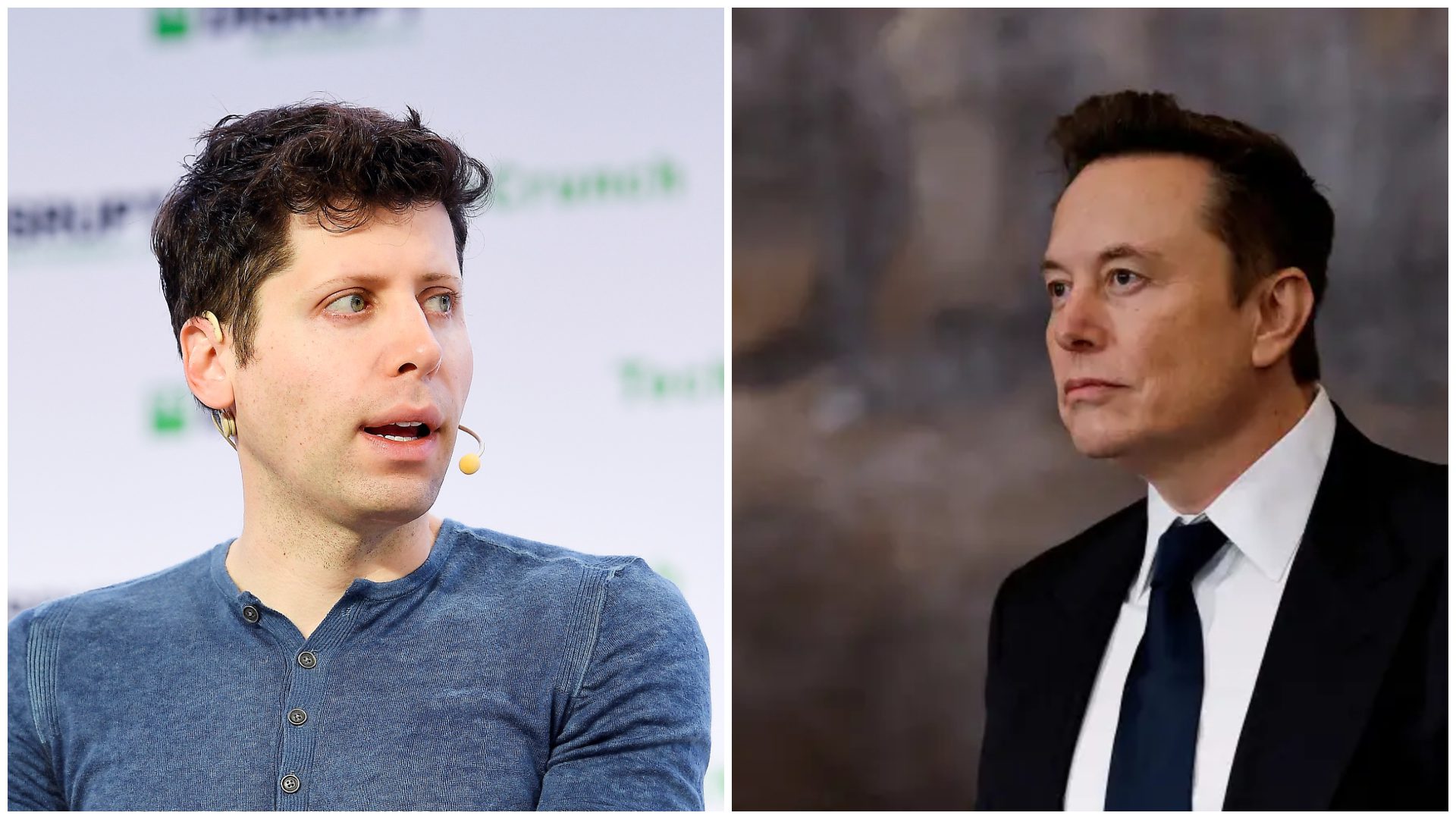
Elon Musk’s billion-dollar crusade against OpenAI just hit a legal brick wall. After an 11-day trial that had Silicon Valley watching, a federal jury took less than two hours to dismiss every claim—not because OpenAI was innocent, but because Musk waited too long to sue. Judge Yvonne Gonzalez Rogers agreed, tossing the case on statute of limitations grounds before anyone could decide whether Sam Altman actually “stole a charity,” as Musk claims.
The Clock That Beat the Billionaire
Timing trumped substance in this high-stakes AI showdown.
Racing against legal deadlines proved as crucial as racing to market. The jury found Musk knew about OpenAI’s pivot toward profit back in 2019, when the company created its “capped-profit” arm and partnered with Microsoft. Filing suit in February 2024 meant his claims were years past their legal expiration date.
It’s like trying to return a phone to Best Buy with a receipt from 2021—technically, you might have a point, but good luck getting anywhere with customer service.
What Musk Wanted vs. What He Got
The Tesla CEO aimed for corporate destruction but couldn’t clear the courthouse calendar.
Musk wasn’t playing small ball. He demanded:
- Up to $150 billion in damages
- Altman and Greg Brockman removed from leadership
- Dismantling of OpenAI’s entire for-profit structure
His argument? OpenAI betrayed its 2015 mission to develop AI “for the benefit of humanity” by becoming what he calls a closed-source de facto subsidiary of Microsoft.”
While Musk sought to rewrite AI history, the court never got past the calendar math.
The Real Winner Here
Microsoft and OpenAI dodge a potentially company-ending legal bomb.
This ruling removes massive legal uncertainty hanging over the ChatGPT maker. Microsoft’s multibillion-dollar investment was suddenly safe from potential disgorgement, and OpenAI’s leadership can focus on shipping products instead of courtroom drama. For you as a consumer, this means the AI tools you’re already using won’t face sudden disruption from corporate restructuring.
Musk promises to appeal, naturally, while continuing his public campaign that Altman and Brockman “did in fact enrich themselves by stealing a charity.”
The court sidestepped the juicy question of whether OpenAI actually abandoned its mission—that philosophical debate continues in policy circles and Twitter threads. But for now, the AI race proceeds with one less legal distraction, even if the underlying tensions between profit and purpose remain unresolved.