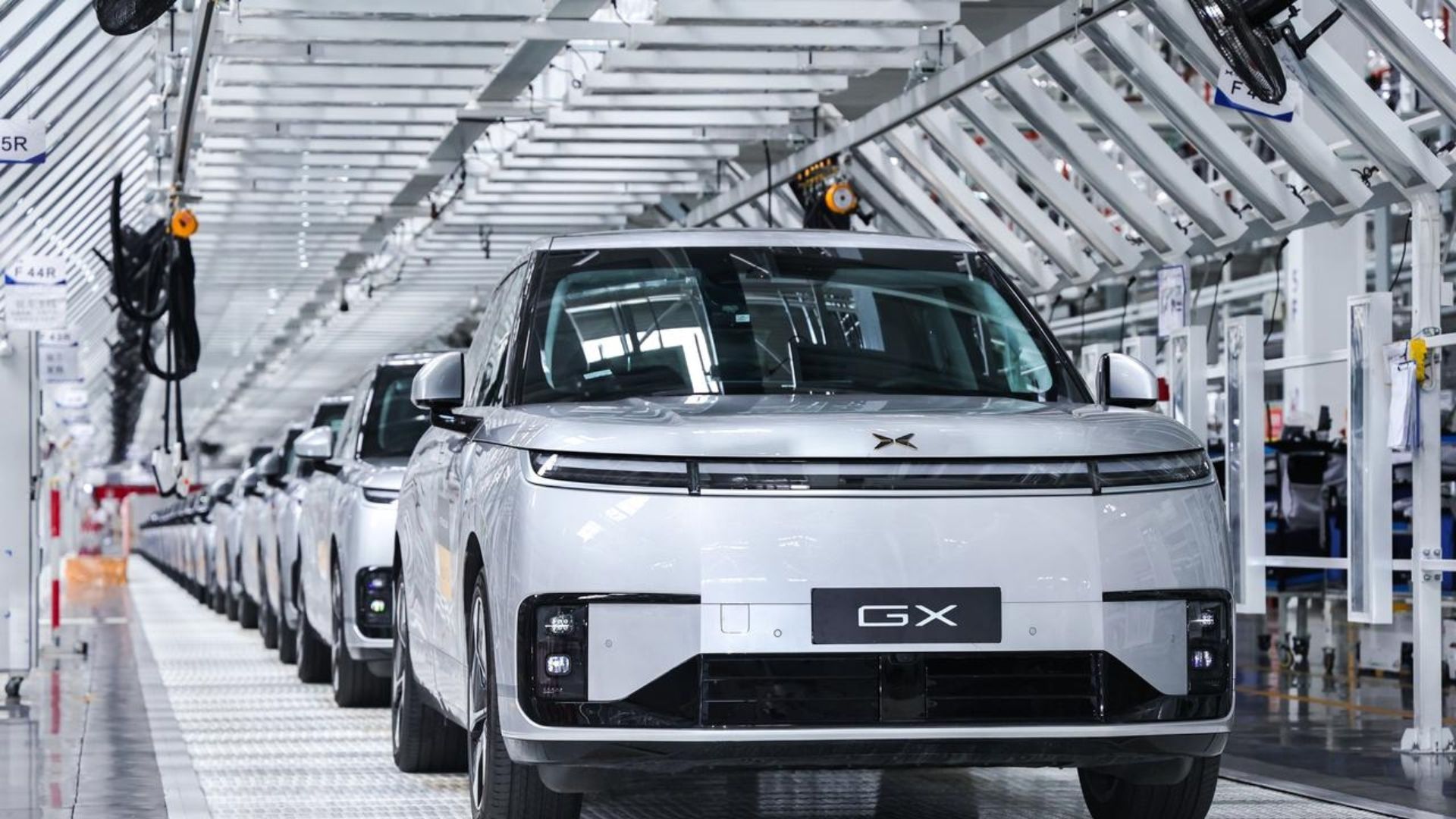
Tesla’s grip on the autonomous driving narrative just got challenged by an unlikely rival. XPENG rolled its first mass-produced robotaxi off the production line in Guangzhou, marking the first time a Chinese automaker has independently designed, built, and manufactured an L4 autonomous taxi from scratch. While Tesla focuses on upgrading consumer vehicles with Full Self-Driving software, XPENG is shipping purpose-built autonomous vehicles for commercial deployment.
Vision-Only Tech That Skips the Expensive Stuff
Four in-house AI chips power a mapless, LiDAR-free system designed to cut response times below 80 milliseconds.
XPENG’s robotaxi ditches the costly LiDAR sensors and high-definition maps that many competitors rely on. Instead, it uses a “pure vision” approach powered by four proprietary Turing AI chips delivering 3,000 TOPS of computing power. The company’s VLA 2.0 end-to-end model processes camera feeds and outputs driving decisions without the intermediate translation steps that slow down traditional systems.
Think of it as skipping the middleman—your brain doesn’t translate what your eyes see into language before deciding to brake.
Purpose-Built vs. Retrofit Strategy
XPENG’s dedicated robotaxi challenges Tesla’s plan to transform consumer cars into autonomous fleets.
This represents a fundamentally different bet than Tesla’s approach. While Tesla focuses on upgrading existing consumer vehicles with Full Self-Driving software, XPENG built this robotaxi specifically for ride-hailing. Zero-gravity seats, privacy glass, and rear entertainment screens create a mobile living room rather than repurposed transportation.
It’s the difference between converting your Honda Civic into an Uber and designing a purpose-built taxi from the ground up.
The Reality Check Nobody’s Talking About
Pilot services start this year, but fully driverless operations depend on regulatory approval that remains uncertain.
XPENG plans supervised robotaxi pilots by late 2026, with completely driverless operations targeting early 2027. That timeline assumes Chinese regulators will greenlight L4 services—a big assumption given global scrutiny of autonomous vehicle safety. The company secured testing permits in Guangzhou, but moving from controlled trials to commercial deployment requires proving safety metrics that even Waymo and Cruise struggle to demonstrate consistently.
Your next ride-hailing experience might involve arguing with an AI assistant about the temperature instead of small talk with a human driver. Whether that future arrives in 2027 or takes another decade depends less on XPENG’s impressive hardware than on bureaucrats comfortable enough to stake their careers on robot chauffeurs.