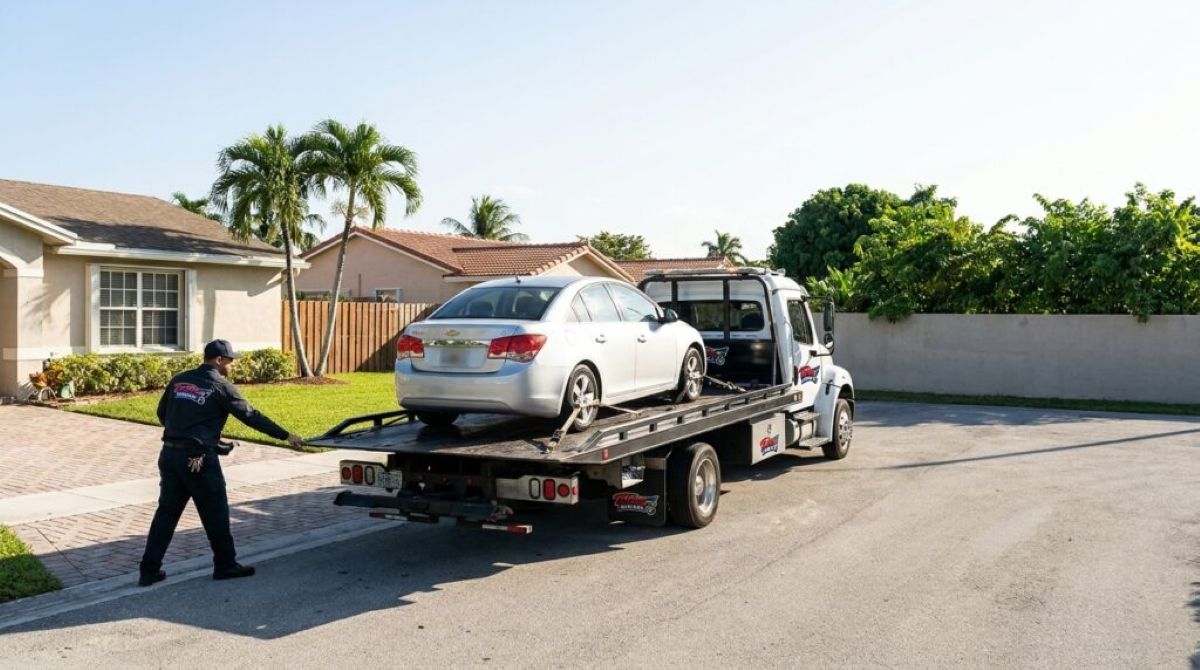
You’re pulled over for a minor traffic violation, expecting a ticket and maybe some attitude. Instead, you watch a tow truck arrive to haul away your car. Welcome to the new reality of traffic enforcement, where routine stops can instantly become costly ordeals. Since November 5, Aurora police have towed 290 vehicles under their aggressive “three-strikes” policy. Your expired registration or lapsed insurance—problems that used to mean citations—now trigger immediate impoundment.
The Three-Strike Financial Trap
Aurora’s enforcement targets drivers who are simultaneously unlicensed, uninsured, and operating without valid plates.
Hit all three violations during a single stop? Your car disappears immediately. The financial damage starts at $240 for impoundment, plus a $47.25 police administration fee, $40 daily storage charges, and a $150 towing fee after three days. These costs accumulate rapidly—Aurora officials report total charges can exceed $1,200 if your car sits for a month. That’s before counting court fines for each traffic violation. Recovery requires proof of registration, insurance, and a valid license, or having a licensed driver retrieve the vehicle with proper documents.
The Documentation Maze
Officers can verify your legal status remotely, making physical paperwork less important than your actual compliance.
Here’s the twist that catches drivers off-guard: police can check insurance and registration through DMV-linked systems during the stop. Your expired documents aren’t just inconvenient—they’re grounds for impoundment even if you think you’re covered. This remote verification means officers know your legal status instantly. The system treats administrative lapses seriously, with immediate consequences that can snowball into major financial burdens.
Protecting Yourself During Stops
Civil liberties guidance emphasizes calm compliance while preserving your rights.
When stopped, remain calm and avoid sudden movements—resistance escalates everything. Don’t consent to searches, but don’t physically resist if officers proceed anyway. If your car gets towed, immediately ask for the impound lot location and required documentation for release. You have 30 days to recover the vehicle before Aurora can auction it off. Start gathering proof of license, insurance, and registration immediately—every day in storage costs another $40.
The Expanding Enforcement Net
Colorado’s updated towing regulations and similar policies in other cities signal a nationwide trend.
Aurora isn’t operating in isolation. Colorado’s HB22-1314 strengthened towing notification requirements, while New York City offers administrative hearings through OATH for impound disputes. These frameworks suggest more jurisdictions are adopting aggressive enforcement policies. Your best defense remains staying current with registration, insurance, and license renewals—because the days of warnings and grace periods are disappearing quickly.