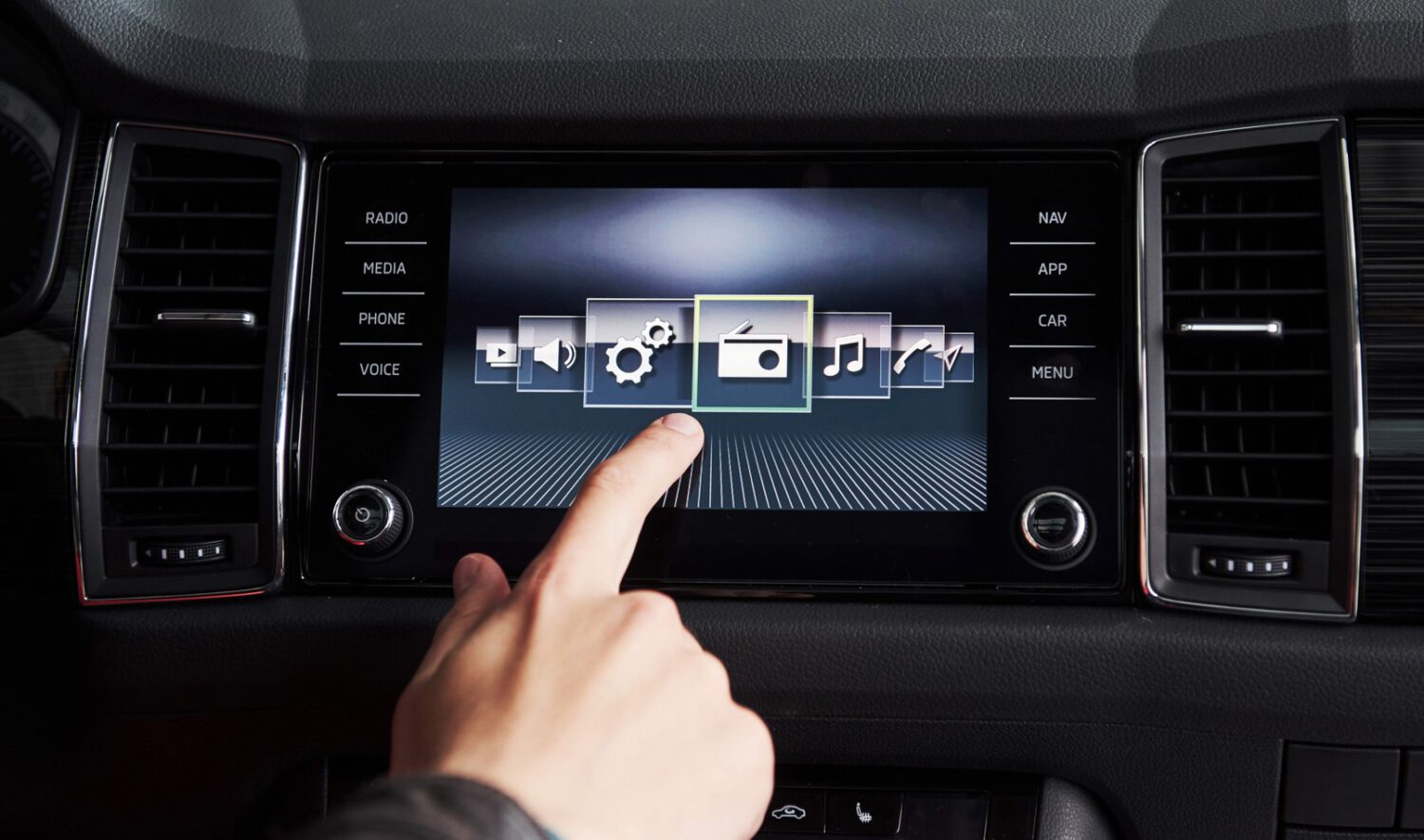
Firmware analysis and privilege escalation are not typical responses to a daylight saving time change, but that is exactly where Rasmus Moorats ended up. The researcher wanted to correct the clock on his 2014 Renault Latitude after the clocks shifted, and the route there required reverse engineering an aging embedded Linux system. Moorats documented the process in a technical write-up cited by Hackaday and cybersecuritynews.com. Readers curious about DIY car fixes will find this kind of hands-on approach familiar territory.
Why the Settings Menu Was Unreachable
A removable SD card held the key to basic vehicle settings, and that design decision had real consequences.
The Latitude used a TomTom Carminat LIVE navigation unit, and without a valid map SD card, the clock adjustment option simply did not appear. The menu definition file, master.script, was stored on the card rather than in the head unit’s internal storage. Without that file, the system had no path to the settings screen.
Reverse Engineering the Head Unit
An emulation environment revealed a root-privileged script interpreter with a critical flaw.
Moorats determined the unit ran a customized Linux system built on kernel version 2.6.28.10, on Samsung hardware. To study how the device processed SD card contents, he built a QEMU-based emulation environment. The script interpreter, a program called ttn, ran with root privileges, which made any weakness in its processing path consequential.
The Vulnerability and How It Was Chained
A logging flaw combined with a kernel crash mechanism produced an unlikely but effective exploit.
Moorats identified a path-traversal flaw in the script language’s LOG command. The flaw allowed the command to write files outside their intended location by manipulating the destination path. He combined it with Linux’s core_pattern mechanism, which controls how the kernel handles process crashes, because protected filesystem areas blocked direct exploitation through the logging flaw alone.
Executing the Exploit
Crashing dbus-monitor on purpose was the final step toward root access.
Using the logging flaw to overwrite /proc/sys/kernel/core_pattern, Moorats configured the system to execute a shell script whenever a process crashed. He then deliberately crashed dbus-monitor, causing the kernel to run his payload with root privileges. The sequence required physical access to the vehicle, a prepared SD card, and manual confirmation on the head unit.
Finding and Fixing the Time Offset
The actual time data was a numerical offset stored in a custom binary file, one edit away from correct.
With root access, Moorats located the time data inside /mnt/flash/settings.dat, a custom binary file. Rather than a standard time-zone database, the unit pulled the current time from GPS and stored the local offset as a number of minutes. Changing that value from 180 to 120 minutes corrected the display for local winter time.
The Broader Lesson
This is a local jailbreak with design implications that extend well beyond one car.
The exploit is not a demonstrated remote attack against Renault vehicles. The demonstrated procedure required physical access to the car, a prepared SD card, and user confirmation, which substantially limits the practical threat compared to a wireless or internet-facing vulnerability. Still, the aging kernel version and root-privileged script interpreter illustrate how embedded automotive systems can retain serious security exposure long after active software support ends. This kind of hidden system opacity is reminiscent of how your car probably has maintenance costs and design decisions obscured from everyday owners. User-critical settings such as time, language, and display configuration should remain accessible without removable navigation media; tying them to discontinued accessories creates the kind of avoidable failure this case represents. The privacy implications of always-on embedded systems also echo broader concerns, such as reports of apps secretly tracking users without meaningful transparency.