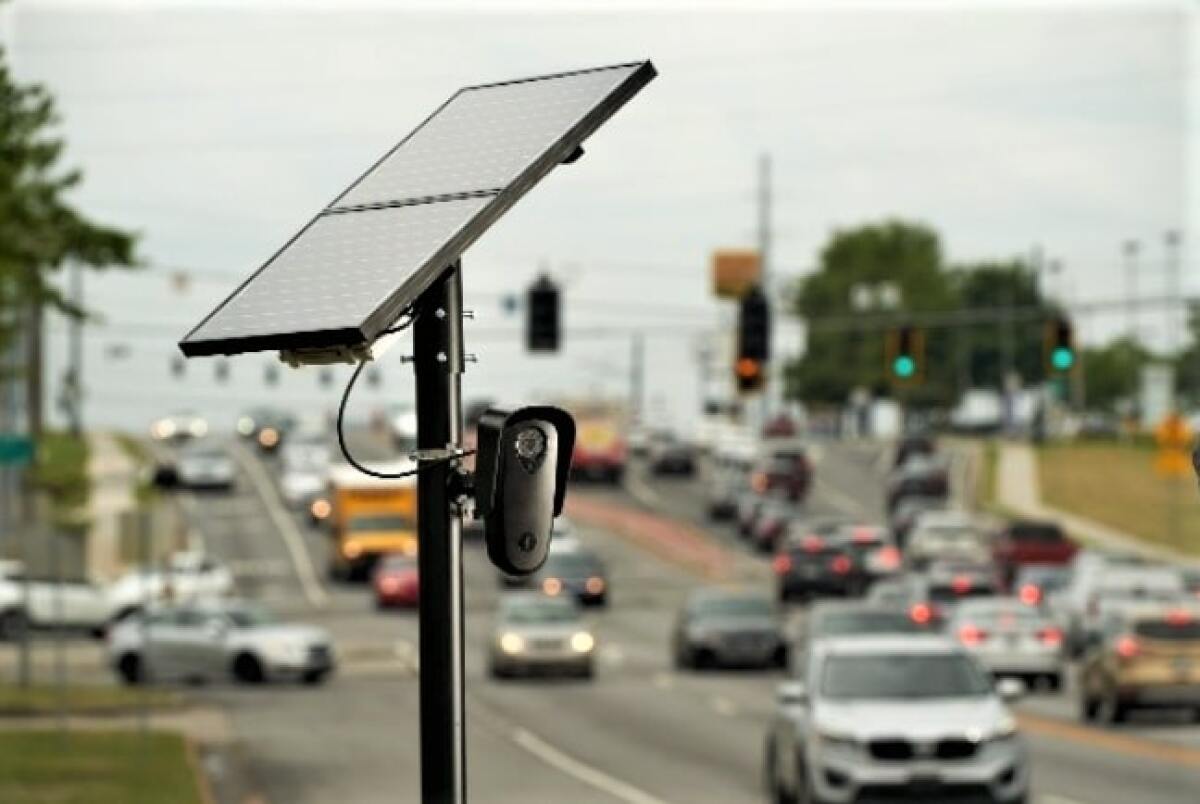
Driving through your neighborhood, you probably don’t notice the small cameras mounted on utility poles—until you learn they’re tracking your every move. That reality hit Troy, New York residents hard when they discovered over two dozen Flock Safety cameras had been quietly installed throughout their city. When the city council moved to halt funding by directing the auditor to pause payments, the cameras remained operational after the contract renewed automatically when the council missed its decision deadline.
Beyond License Plates: Digital Fingerprints
AI system captures vehicle details creating searchable movement records
These aren’t your grandfather’s traffic cameras. Flock‘s AI-enabled system captures license plates while creating detailed “digital fingerprints” of passing vehicles—including bumper stickers, roof racks, and other identifying features. That data feeds into a searchable database spanning more than 6,000 communities nationwide, giving police unprecedented ability to track vehicle movements across jurisdictions.
Think of it as a persistent digital trail of everywhere you drive, stored in the cloud and accessible to law enforcement with a simple search.
Constitutional Showdown in Small-Town America
Automatic renewal sparks debate over municipal transparency and oversight
The controversy cuts to the heart of democratic governance when surveillance technology arrives without adequate public input. The installation happened without broad public input—a pattern privacy advocates say reflects how surveillance technology often arrives in communities through bureaucratic stealth rather than public debate. Troy residents found themselves subjects of persistent tracking with limited opportunity for meaningful consent or oversight.
National Surveillance Network Under Scrutiny
Privacy advocates challenge Flock’s expansion across thousands of communities
Troy’s revolt reflects growing unease about automated license plate readers across the country. While Flock emphasizes local control and audit trails, the practical reality creates what privacy advocates call persistent tracking of ordinary movement with limited public oversight. The company’s network now spans thousands of communities, creating an interconnected web of vehicle monitoring that extends far beyond individual municipalities.
Your community might be next. The Troy crisis offers a template for how surveillance technology can divide municipalities between safety promises and privacy concerns, with automatic contract renewals potentially circumventing public debate when oversight falters.