Researchers just made mouse eyes temporarily photosynthetic using nanoparticles extracted from grocery store spinach. This isn’t science fiction—it’s published research from the National University of Singapore that could reshape how we treat common eye diseases. The team isn’t restoring vision here; they’re hijacking plant machinery to power up cellular metabolism and fight inflammation.
Stealing Millions of Years of Evolution
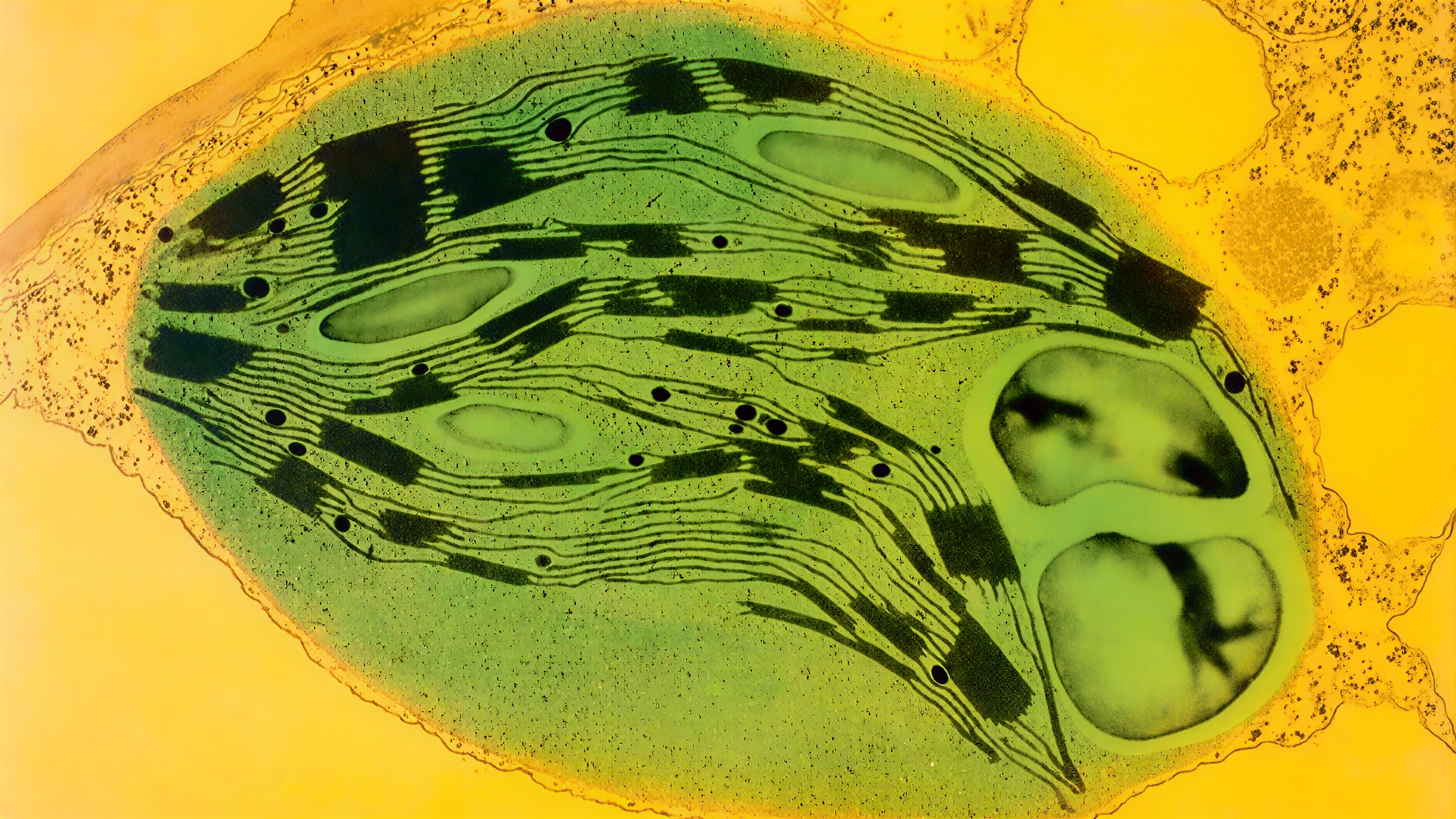
The process sounds like molecular theft. Scientists blend spinach leaves, extract chloroplast structures called thylakoids, and package them into nanoparticles dubbed “LEAFs.” When applied as eye drops to mice with dry-eye disease, these particles generate ATP and NADPH using ambient light—no special illumination required.
“We are stealing the entire technology that has evolved over millions of years in plants,” says lead researcher David Tai Leong. The energy boost neutralizes harmful reactive oxygen species, reducing corneal inflammation without traditional drugs.
Beyond Artificial Tears
This approach sidesteps conventional dry-eye treatments like artificial tears or anti-inflammatory drops. Instead of masking symptoms, LEAF particles turn your eye’s surface into a tiny solar farm that generates its own antioxidants.
The economics are staggering: one $0.20 handful of supermarket spinach could theoretically treat over 50 people twice daily for a month. Unlike other experimental treatments requiring photoreceptor transplants or gene therapy, this works with existing cellular machinery.
The “Party Trick” Problem
Harvard’s Corey Allard warns that plant-to-animal organelle swaps inevitably look like “a party trick at first.” The effect only lasts several hours, requiring repeated dosing throughout the day. Mouse eyes didn’t turn visibly green, but long-term safety data remains nonexistent.
The NUS team plans human trials for dry-eye patients, yet regulatory agencies will scrutinize everything from manufacturing consistency to potential immune reactions against plant proteins.
This represents genuine innovation in cross-kingdom biology, not just laboratory theatrics. Beyond eye disease, researchers are testing photosynthetic particles for osteoarthritis and tissue engineering. You’re watching the birth of “photosynthetic medicine”—where light becomes fuel for healing rather than just triggering chemical reactions. The timeline for human applications remains uncertain, but the proof-of-concept challenges assumptions about what constitutes medicine.