Sleep accounts for a third of your life, yet most people know more about their coffee order than their sleep patterns. Traditional advice like “get eight hours” falls short when you’re lying awake at 3 AM wondering why your Fitbit thinks you slept like a baby. This guide cuts through the marketing noise, presenting sleep trackers based on scientific validation and real-world testing. No consumer tracker is perfect, but the best ones excel at revealing trends crucial for improving sleep hygiene and lifestyle choices. From advanced brainwave monitoring to passive temperature regulation, these devices offer actionable insights to help you unlock better rest.
This content may contain affiliate links. If you wish to support us and use these links to buy something, we may earn a commission.
6. Whoop 4.0
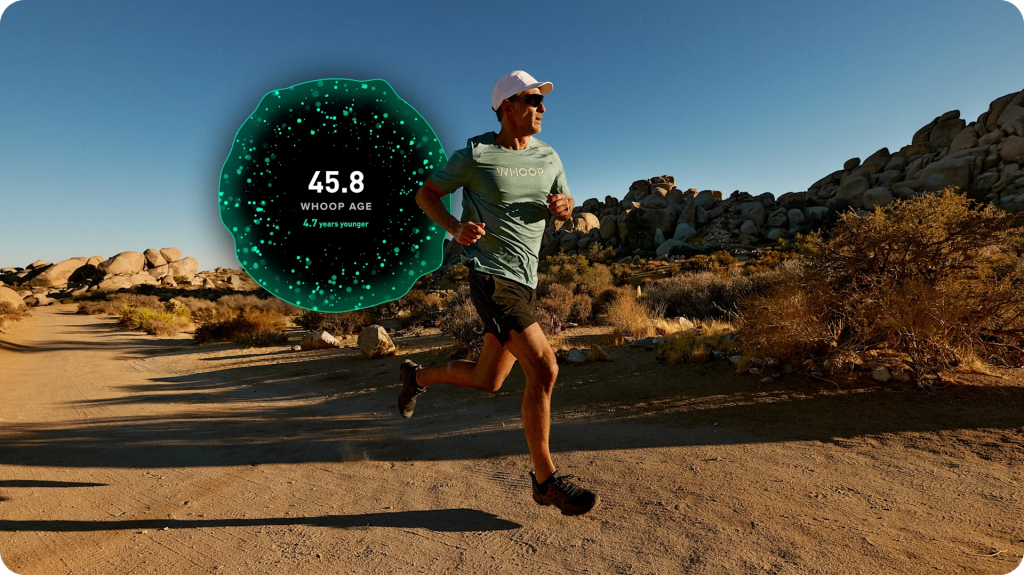
Advanced wrist-worn tracker with personalized sleep coaching and comprehensive lifestyle correlations.
Seven to nine hours of sleep is crucial for overall health, yet most adults fall short. The Whoop 4.0 dives deep into your sleep, strain, and recovery, acting like a data-obsessed personal trainer strapped to your wrist. Its sensors track metrics like heart rate variability and respiratory rate, delivering accurate sleep stage data validated against lab-grade polysomnography studies.
The Sleep Coach is the real star, dishing out tailored bedtime and wake-up advice based on your unique data. It correlates lifestyle choices with sleep quality—revealing how that extra glass of wine or late-night workout actually messed with your deep sleep. However, this insight requires a subscription ranging from monthly to 18-month options. Plus, it’s always broadcasting via Bluetooth with no airplane mode to minimize EMF exposure. For those willing to commit to ongoing costs and constant connectivity, Whoop 4.0 remains a heavyweight contender.
5. Ultrahuman Ring
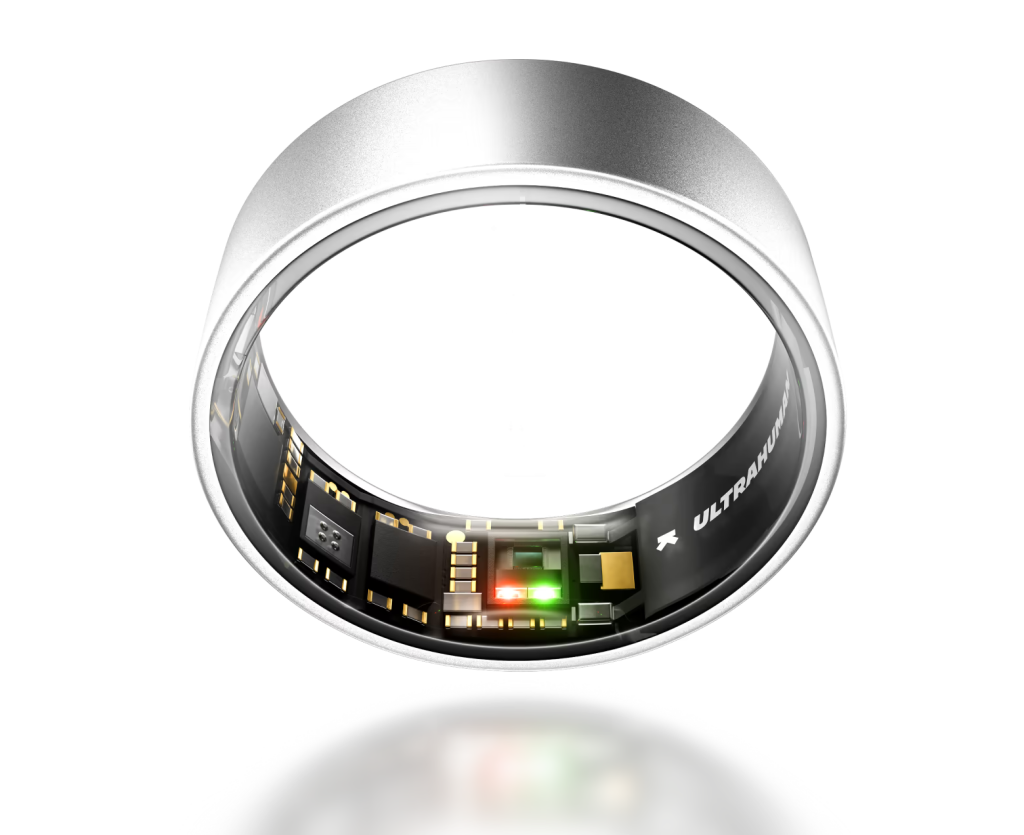
Subscription-free smart ring with airplane mode for EMF-conscious sleep tracking.
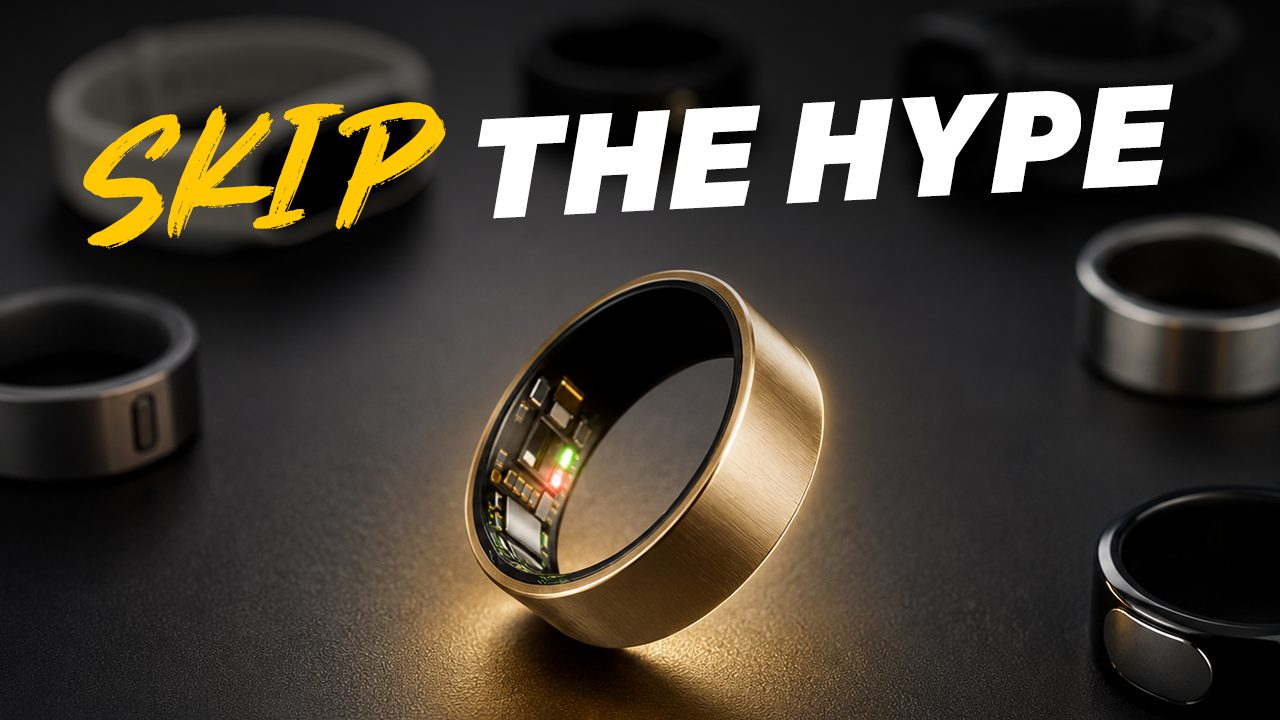
Finger-worn devices are emerging as the sleekest frontier in health tracking. Ultrahuman’s Ring ditches the subscription model while packing advanced sensors into a compact design that tracks sleep stages, HRV, body temperature, and circadian rhythm. Think of it as having a tiny, all-knowing sleep coach on your finger—no monthly fees required.
Early users report trend accuracy that’s surprisingly competitive, sometimes outshining established wristbands in personal comparisons. The inclusion of airplane mode appeals to privacy-conscious users preferring minimal EMF exposure overnight. While early battery issues raised concerns, Ultrahuman reportedly handles quick replacements, turning potential frustration into customer satisfaction. This ring offers a compelling, comfortable alternative to bulky wearables for anyone serious about understanding their sleep metrics.
4. Muse S Headband
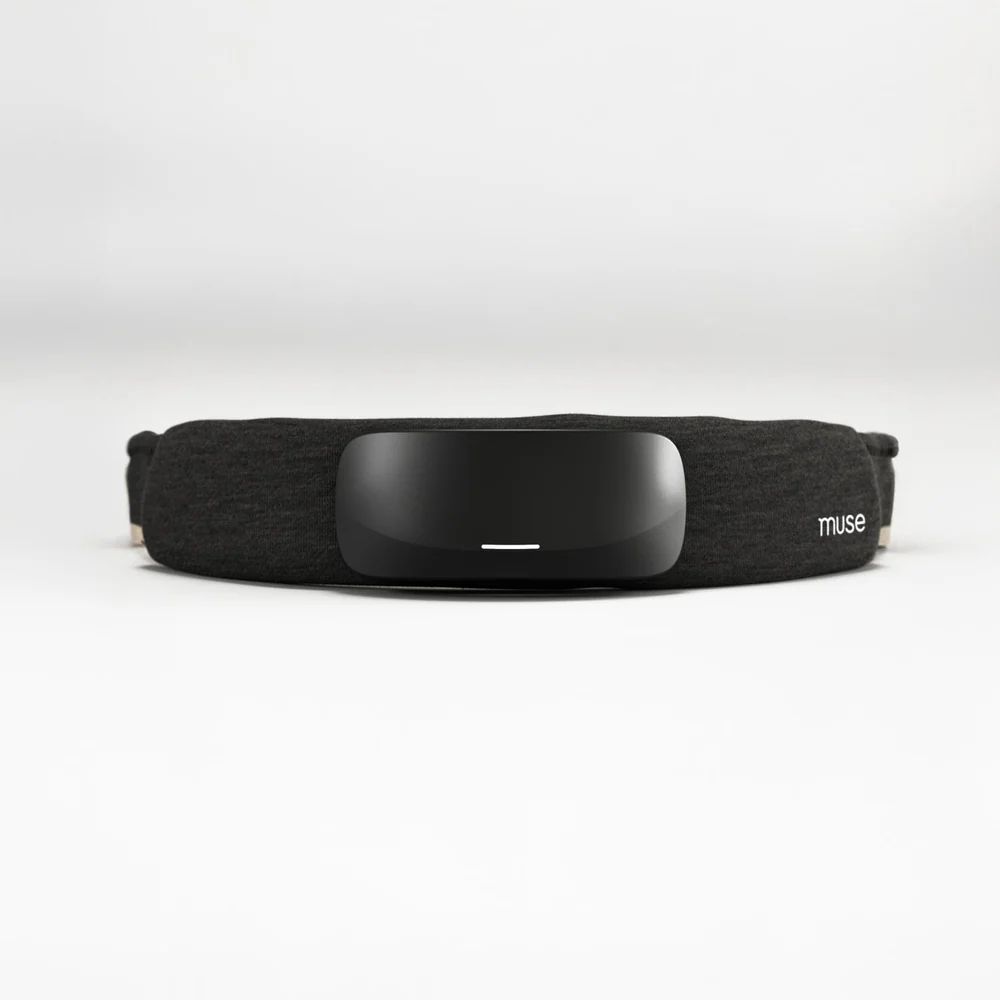
EEG-powered headband delivering the most accurate consumer sleep stage detection available.
Most sleep trackers are like judging a concert by feeling floor vibrations—the Muse S headband actually listens to the music. Using electroencephalogram sensors, it directly reads brainwaves for far more granular sleep stage analysis than trackers relying on heart rate and movement. This is the gold standard for consumer sleep monitoring, doubling as a meditation coach during waking hours.
The trade-off involves wearing a headband overnight and maintaining constant Bluetooth streaming to your phone—basically keeping your digital leash on while sleeping. For those wanting ultimate accuracy or looking to validate other devices, this headband serves as your most insightful sleep lab companion. Just don’t expect the cozy simplicity of throwing on a ring or watch.
3. Eight Sleep Pod 4
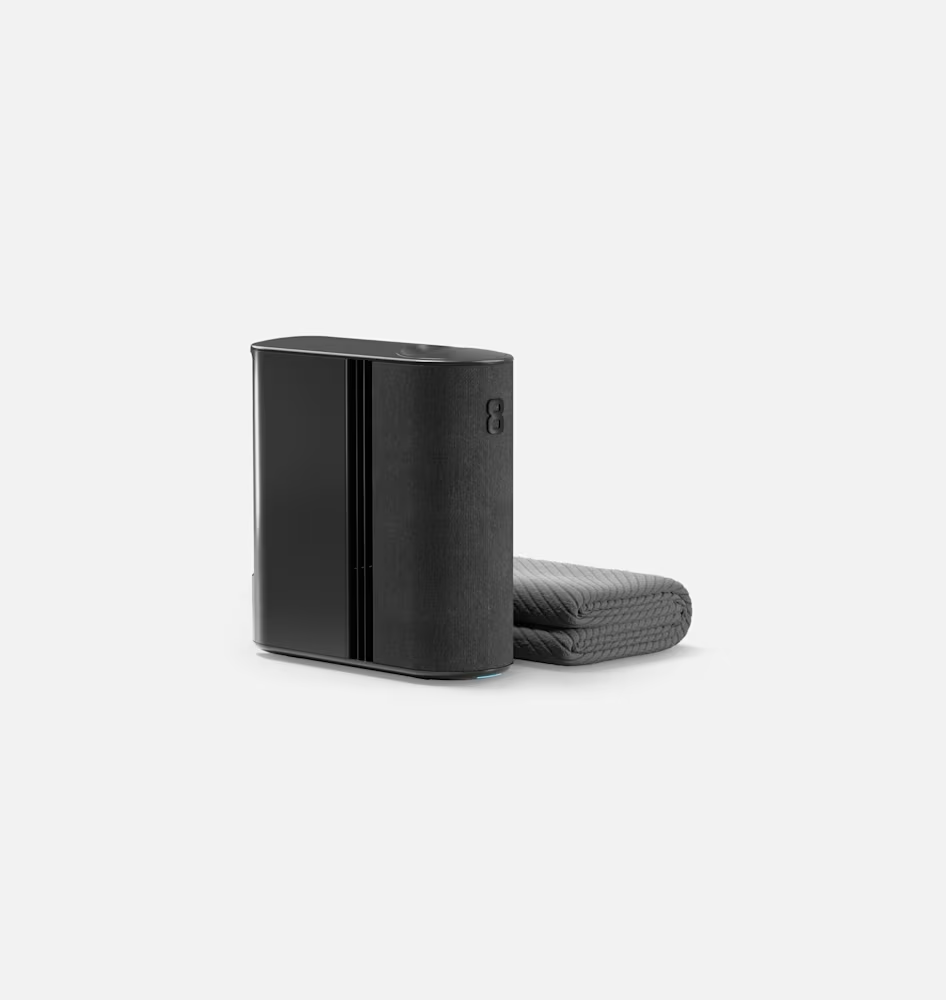
Mattress cover with active temperature control and passive sleep tracking.
Tired of waking up in sweat-drenched sheets or shivering under inadequate covers? The Eight Sleep Pod 4 tackles temperature disruptions head-on, functioning as personal climate control for your bed. This isn’t your grandma’s electric blanket—it uses a discreet grid of active sensors woven into the cover to track movement, pressure, heart rate, and breathing patterns.
Active cooling and heating represent a serious upgrade from passive monitoring. While wearables offer similar trend data, the Pod 4’s integrated temperature regulation and passive tracking eliminate extra gadgets. It monitors snoring, sleep latency, and HRV while maintaining accuracy comparable to dedicated wearables. The investment runs into thousands depending on bed size, but for those chasing peak sleep performance without wearable clutter, it’s a compelling proposition.
2. Apple Watch Series 10
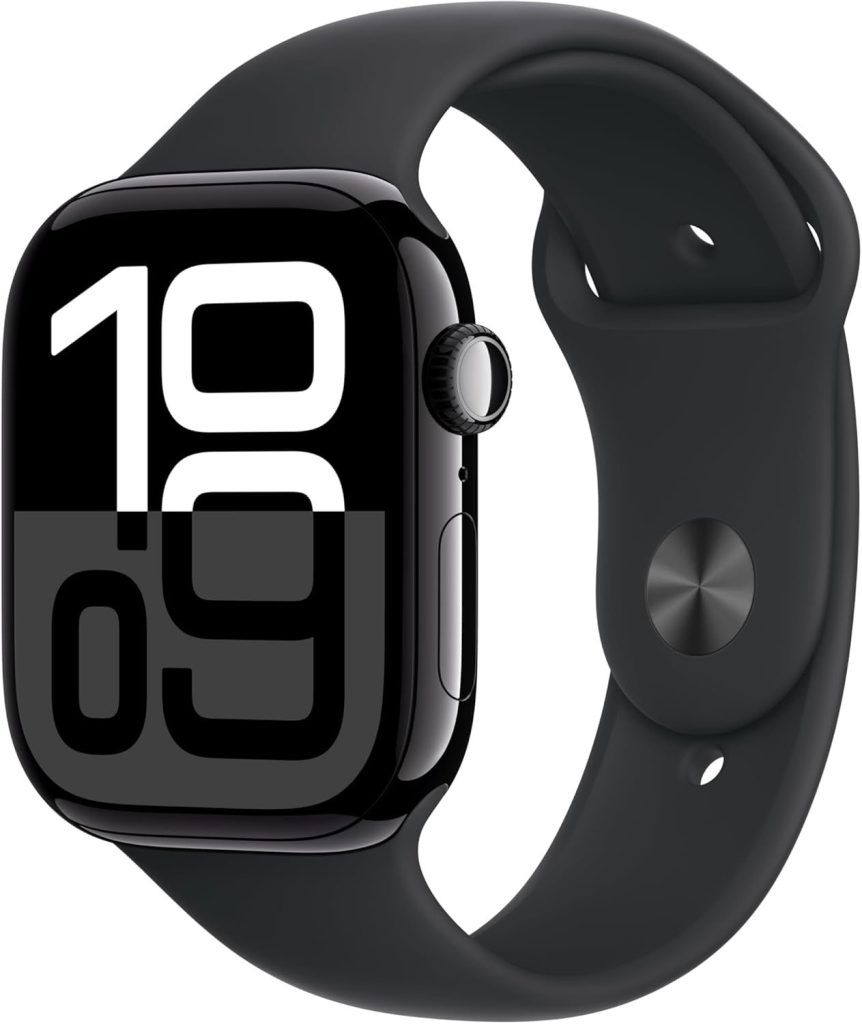
Ecosystem-integrated smartwatch with solid basics but limited sleep insights.
Already deep in the Apple ecosystem? The Apple Watch Series 10 offers functional sleep tracking using accelerometer, FDA-approved heart rate sensors, and blood oxygen monitoring. It delivers general wake/sleep cycle data and even includes sleep apnea detection, neatly funneling everything into Apple Health like a well-organized digital filing cabinet.
Don’t expect it to replace dedicated sleep gadgets. Lower heart rate sampling frequency leads to occasional inconsistent sleep stage reports. You’re missing the deep, actionable insights and personalized coaching found elsewhere—plus continuous Wi-Fi and Bluetooth means persistent EMF exposure overnight. It’s fine if you already wear one, but buying it specifically for sleep feels like bringing a Swiss Army knife to perform surgery.
1. Apple Watch Ultra 2
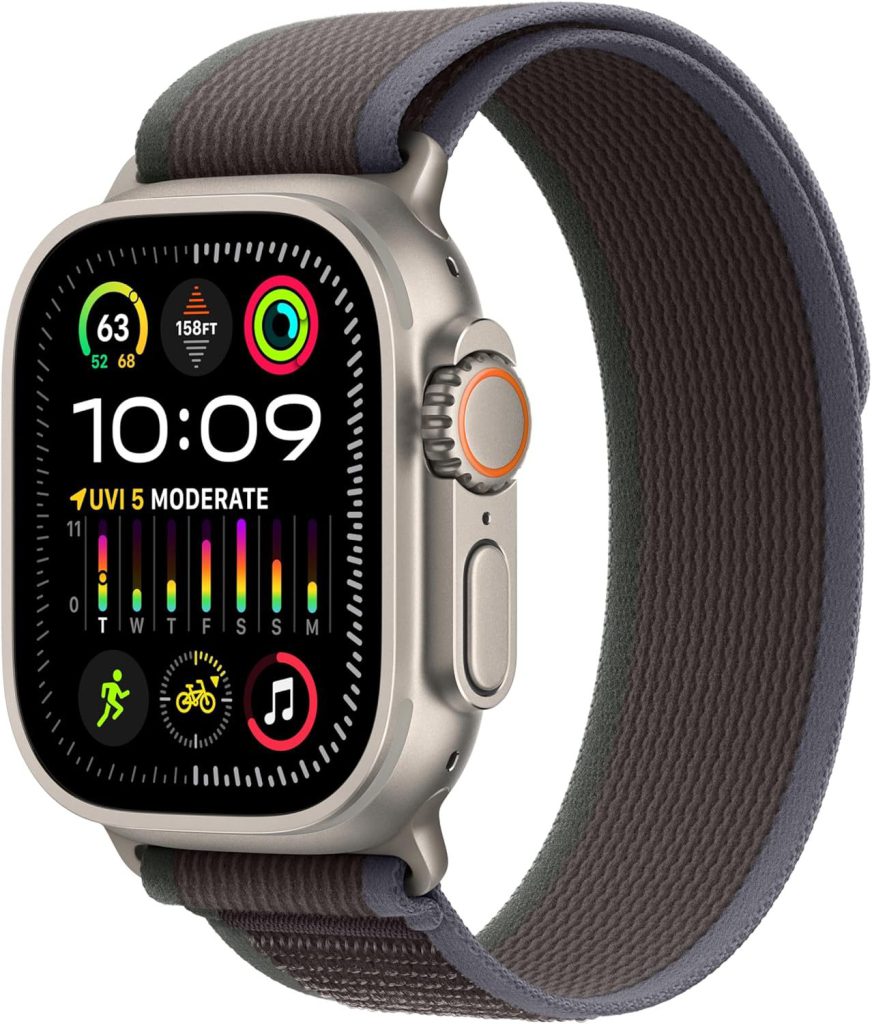
Rugged smartwatch with comprehensive sensors but inconsistent sleep stage accuracy.
This rugged smartwatch leverages impressive sensors—monitoring movement, heart rate, and SpO2—to deliver sleep tracking similar to the Series 10. Its FDA-approved sensors offer peace of mind for heart health, and the battery easily powers through overnight tracking. Think Swiss Army knife for your wrist: does many things well, but specialized tools might do one thing better.
Sleep stage accuracy doesn’t always match dedicated devices, leaving some users wanting more precise insights. It excels at general trends and integrates beautifully for existing Apple users who prioritize durability. However, those treating sleep data like their personal gospel might need a separate, hyper-specialized tracker. All those always-on features mean persistent EMF exposure remains part of the package.