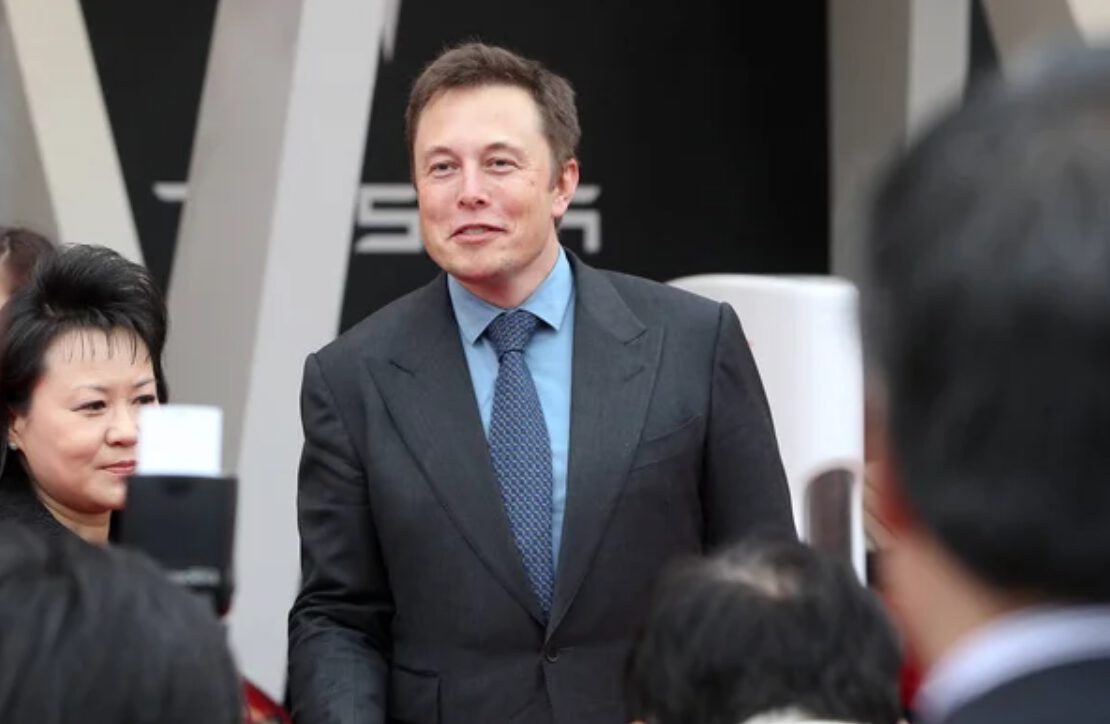
Elon Musk’s radical prediction of AI-funded abundance challenges everything you know about work and money, but the reality might be more complicated than the hype suggests.
The Post-Work Promise
Musk envisions robots handling everything while you collect premium paychecks.
Dead-end jobs vanish daily as AI chatbots replace customer service and robots flip burgers, but Elon Musk sees this disruption differently. Instead of economic catastrophe, he predicts Universal High Income—not basic survival money, but premium paychecks enabling access to advanced healthcare, quality food, housing, and transportation.
Musk’s vision centers on AI abundance making scarcity obsolete. Your Tesla might drive itself, but soon robots could handle everything from manufacturing to home maintenance, creating what he describes as a transformative economic system. His timeline suggests work becomes optional within 10-20 years, with money itself losing relevance as automated systems provide universal prosperity.
Tech Reality Check
Current automation trends suggest the timeline might be wildly optimistic.
The vision sounds like something straight out of Wall-E—humans lounging while robots do everything. Yet your smart home still struggles to turn off the right lights, and Tesla’s Full Self-Driving remains perpetually “almost ready.”
Musk’s ambitious timeline assumes his companies like xAI and Tesla Optimus will solve problems that have stumped technologists for decades. The gap between your Roomba bumping into furniture and humanoid robots mastering complex human tasks remains enormous, despite impressive AI advances in language processing and image recognition.
The Economic Skeptics
Critics question whether guaranteed income actually improves lives or creates dependency.
While Musk promises post-scarcity utopia, research paints a murkier picture. Analysis suggests minimal developmental benefits from unconditional cash payments to families.
Critics argue that guaranteed income might discourage innovation and work ethic precisely when human creativity becomes most valuable. Economic experts warn that premature implementation could backfire if AI development stalls, leaving society dependent on systems that can’t deliver promised abundance.
Navigating the Transition
Your career and tech decisions should account for multiple scenarios.
Whether Musk’s timeline proves accurate or wildly optimistic, automation will reshape your professional landscape. The practical approach involves developing expertise that complements AI rather than competes with it, while maintaining healthy skepticism about revolutionary promises.
Your next career pivot should consider both the post-scarcity future Musk envisions and the messier reality where humans and machines awkwardly collaborate for decades to come.