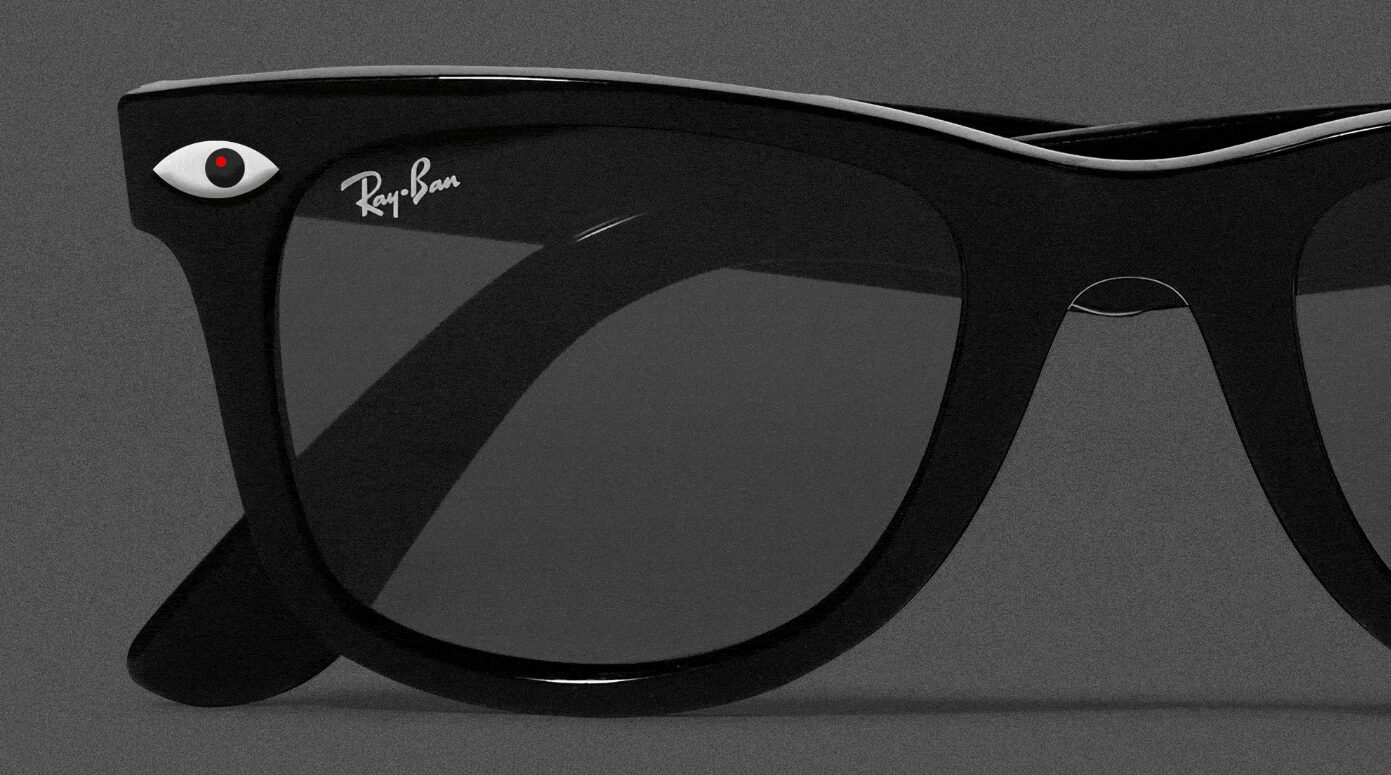
Walking into a coffee shop shouldn’t feel like entering a facial recognition database, yet Meta’s proposed “Name Tag” feature for Ray-Ban and Oakley smart glasses threatens exactly that nightmare. Over 70 civil society organizations—including the ACLU, EPIC, and Fight for the Future—sent a blistering letter to Mark Zuckerberg demanding he scrap the AI-powered identification tool before it transforms everyday spaces into surveillance zones.
The coalition’s warning reads like a privacy advocate’s fever dream made real. “Name Tag” would let wearers identify anyone in their field of view through the glasses’ AI assistant, pulling profile data from Instagram and Meta accounts without the target’s knowledge or consent. Picture someone discretely scanning a protest crowd, a domestic violence shelter, or your local gym—then instantly accessing your social media presence.
Exploiting Political Chaos
The timing stinks worse than week-old takeout. An internal Reality Labs memo from May 2025, obtained by the New York Times, revealed Meta’s plan to launch “Name Tag” during a “dynamic political environment” when civil society resources would be “focused on other concerns.” Translation: exploit political chaos while privacy advocates fight bigger fires.
Democratic senators have already started grilling Zuckerberg about consent mechanisms, biometric storage, and potential law enforcement partnerships. The questions hit every nightmare scenario—from ICE using the tech at immigration checkpoints to stalkers identifying victims at women’s shelters.
Regulators Push Back Hard
EPIC fired off letters to the FTC and state regulators demanding investigations and blocks, highlighting how Meta’s existing smart glasses already enable covert recording with easily-hidden LED indicators. Adding facial recognition to that surveillance cocktail creates what privacy experts call a “uniquely dangerous“ escalation toward mass surveillance normalization.
Meta’s track record offers little comfort. The company shuttered Facebook’s photo-tagging feature in 2021 after facing biometric privacy settlements and a $5 billion FTC fine. Internal discussions about smart glasses facial recognition date back to 2011 but were previously abandoned over ethical concerns—concerns that apparently evaporated when market pressures intensified.
Your anonymity in public spaces hangs in the balance. While Meta hasn’t responded to requests for comment, the coalition’s message remains crystal clear: some technological capabilities shouldn’t exist, regardless of the engineering prowess required to build them.