Surgery can remove a melanoma tumor. What it cannot guarantee is that it removed every last cell. That uncertainty now has a more powerful answer. On August 19, Moderna and Merck announced that their personalized mRNA cancer vaccine, intismeran autogene (mRNA-4157/V940), combined with Keytruda, significantly reduced melanoma recurrence in the Phase 3 INTerpath-001 trial — 1,137 patients, double-blind, the most rigorous test this approach has ever faced. According to the companies, it is the first randomized Phase 3 proof that a personalized neoantigen mRNA therapy works.
How the Vaccine Actually Works
Tumor sequencing, a computational algorithm, and a six-week manufacturing sprint combine to produce a cancer treatment built for one person.
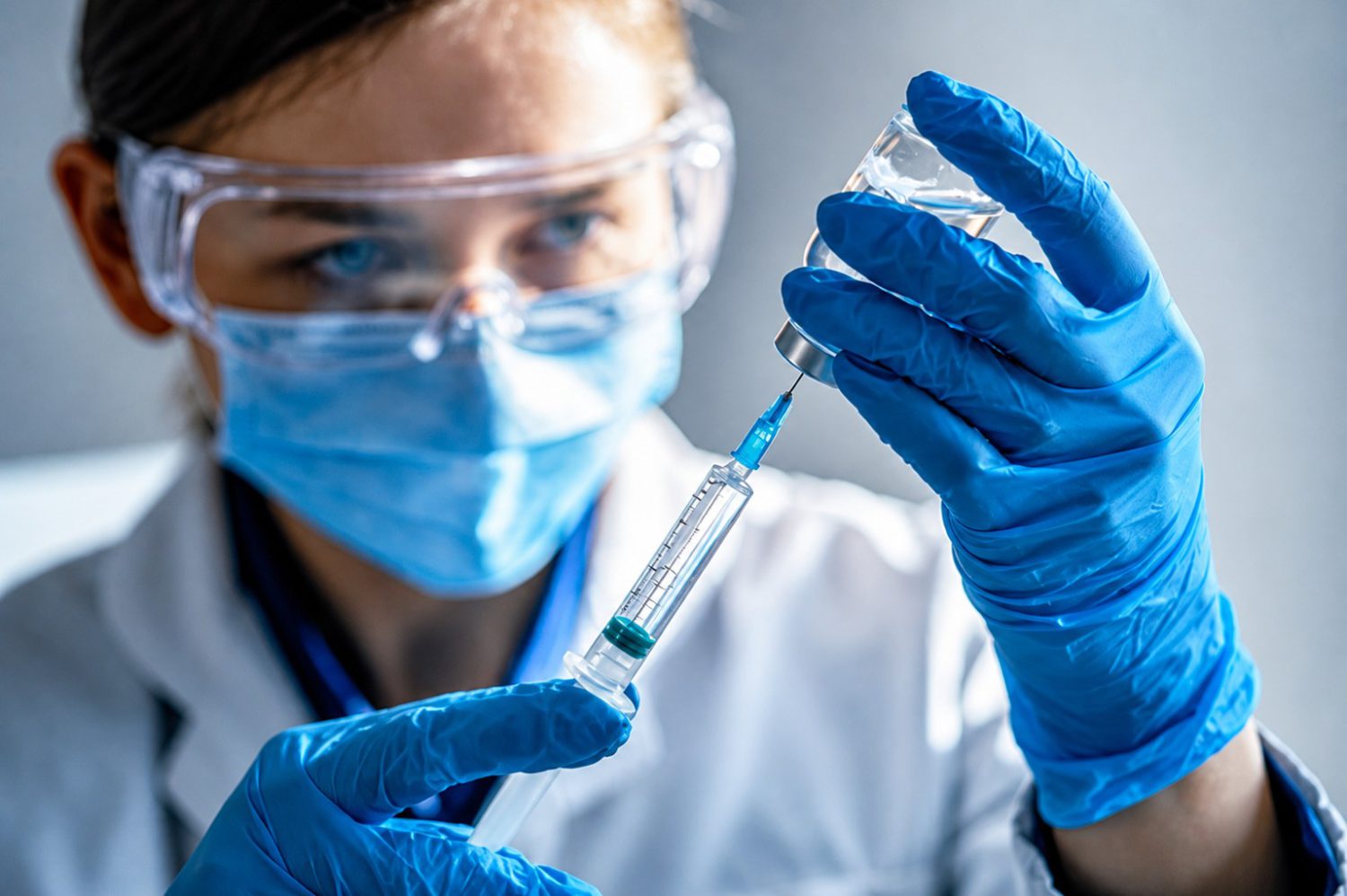
A patient’s tumor DNA is read. Computational algorithms identify neoantigens — mutations specific to that cancer that the immune system can learn to recognize. An mRNA construct encoding those targets is manufactured exclusively for that patient, then injected to train T cells to hunt residual cancer cells. Jane Healy, Merck’s early oncology lead, put it plainly: “It’s an algorithm as much as it is a therapy.” The same mRNA infrastructure that produced COVID vaccines at industrial scale now builds these bespoke treatments — like repurposing a factory assembly line to hand-craft a thousand entirely different products simultaneously.
What the Trial Actually Showed
- INTerpath-001: 1,137 patients, double-blind, stage IIB–IV cutaneous melanoma post-surgery, no prior systemic therapy
- Met primary endpoint: recurrence-free survival (RFS), statistically significant versus Keytruda alone
- Also hit key secondary endpoint: distant metastasis-free survival (DMFS)
- Earlier Phase 2b data: roughly 49% reduction in recurrence or death, 59% reduction in distant spread at five years
- Full Phase 3 hazard ratios not yet released; complete data reserved for a future medical conference
“Really establish personalized cancer vaccines as being a new addition to standard cancer therapy.”
— Jedd Wolchok, director, Meyer Cancer Center at Weill Cornell Medicine
What’s Still Unanswered
The trial stopped early at its first interim analysis for efficacy, leaving overall survival data immature and unresolved.
That is not a red flag. It is how oncology trials work. Mature overall survival signals take years to accumulate, in part because patients who relapse often access additional therapies that extend their lives regardless. Merck and Moderna say an FDA filing is coming “in months, not years.” Phase 3 trials in non-small cell lung cancer are already underway, signaling that the companies believe intismeran’s platform extends well beyond melanoma — though that remains to be proven in those settings.
“Highly conceivable that this treatment paradigm will be extendable to other cancers as well.”
— Catherine Wu, oncologist, Dana-Farber Cancer Institute
For Moderna — a company that has spent years searching for its post-COVID identity — analysts estimate an approval here could generate more than $6 billion annually in melanoma alone, with potentially more if the platform holds up across other tumor types. Roger Perlmutter, former Merck research chief, once admitted he thought the odds of this approach working were “pretty small.” Right now, the data is making that skepticism look productively wrong.