
“Necessity is the mother of invention,” and in the kitchen, that’s especially true. From ancient tools to modern gadgets, simple innovations have profoundly shaped our food culture. These aren’t your average, run-of-the-mill discoveries; these are the game-changers that have redefined how we grow, prepare, and share meals, like going from waiting for dial-up to having fiber optic broadband. We’ve sifted through history to bring you 10 such inventions, from levers moving mountains (of grain) to the printing press, which made cookbooks more accessible than your neighbor’s questionable potluck recipes.
7. Printing Press
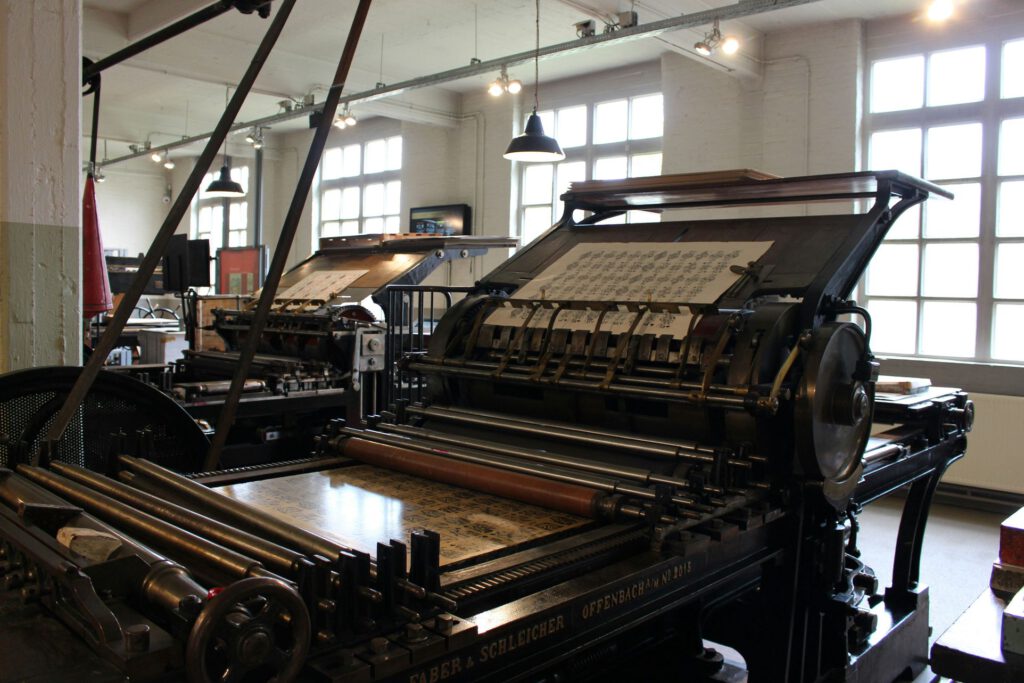
Mass-produced knowledge transformed recipes from monastery secrets to kitchen essentials.
Around the mid-15th century, Johannes Gutenberg birthed the printing press, and suddenly, knowledge wasn’t just for monks transcribing gospels. Trying to impress a date by whipping up Beef Wellington from a handwritten scroll? Forget about it. Thanks to mass book production, even culinary-challenged home cooks could follow along.
Recipes and agricultural treatises spread like gossip at a Real Housewives reunion. The printing press didn’t just print books; it printed food culture literacy, turning everyone into a potential Julia Child. Nothing beats a dog-eared cookbook covered in sauce stains—even today’s digital recipe apps can’t replicate that charm.
6. Lever

Force multiplication turned impossible lifting tasks into manageable kitchen victories.
Over 2,200 years ago, Archimedes spelled out the math that makes levers tick, which isn’t about sportswear. This simple machine is all about force multiplication, turning a nudge into a shove. When the pharaohs needed to hoist multi-ton blocks for their grain storage pyramids, or those brainy Greeks built aqueducts to keep the wine (and water) flowing, guess what did the heavy lifting?
Ever tried wrestling a wine fridge into a tiny apartment? A lever turns that back-breaking chore into something even your grandma could manage. Those can openers and wheelbarrows in your garage prove that Archimedes’ big idea is still crushing it today.
5. Barbed Wire

Sharp simplicity transformed chaotic ranching into the backbone of modern agriculture.
Over 150 years after its patent, barbed wire remains a sharp reminder of agricultural transformation. Joseph Glidden’s 1874 invention didn’t just contain livestock; it flipped the script on American agriculture. Before Glidden’s bright idea, sprawling ranches were about as secure as a Tinder date, costing more time and money to maintain than a Bitcoin farm.
Picture a rancher in the Wild West, wrestling with flimsy wooden fences. Suddenly, along comes barbed wire, turning his chaotic operation into a streamlined, modern business. It revolutionized fencing for large-scale farming enclosures, transforming livestock management and securing grazing lands that made open-range disputes a thing of the past.
4. Penicillin
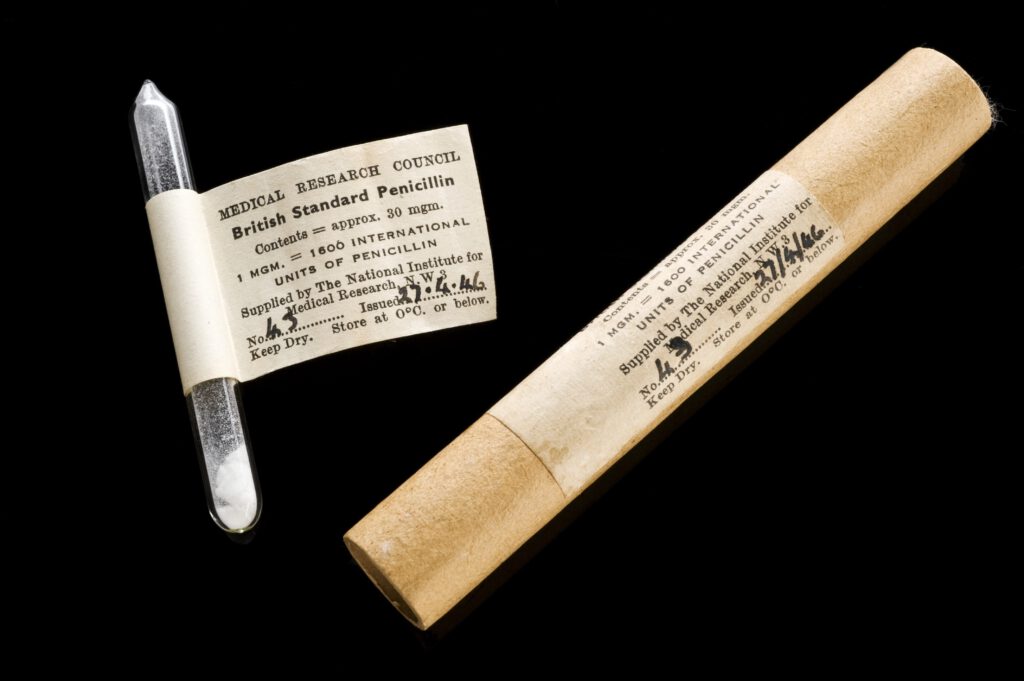
Accidental mold became the unsung hero of safer food processing and handling.
“Better living through chemistry” took on a whole new meaning after Alexander Fleming’s accidental discovery of penicillin in 1928. Sure, you could just let your food rot and hope for the best, but that’s less “farm-to-table” and more “farm-to-hospital.” Instead, this mold-based drug gave us a fighting chance against bacterial infections back in the 1940s.
Imagine prepping a feast for friends, only to discover your chicken’s throwing a rave for salmonella. Penicillin swoops in like a tiny, moldy superhero, making food processing safer and reducing contamination risks. This breakthrough indirectly advanced food safety by enabling more confident handling and preparation of ingredients.
3. Wheel

The circle that launched a thousand supply chains and made grocery runs bearable.
Anyone who’s ever lugged groceries a mile knows the pain: couldn’t someone invent something to make this easier? Turns out, some ancient genius already did. The wheel, that OG circle of awesome, enabled carts for grain and food transport way back when. Trying to build Rome without it would’ve been a logistical nightmare.
You’re a farmer, hauling bushels of wheat to market. Back in the day, that meant back-breaking labor. The wheel transformed that grind into something manageable. Next time you’re cruising with a cart full of loot, remember the unsung hero beneath your feet.
2. Compass

Navigation tool that opened global spice routes and transformed dinner plates forever.
Centuries ago, navigating the high seas was less “smooth sailing” and more “hope you brought snacks for the kraken.” The compass, with Chinese origins, didn’t just point north; it unlocked the spice trade. Trying to find cinnamon without a reliable guide was basically impossible.
This nifty tool allowed merchants to swap ingredients globally, changing dinner plates forever. When you find yourself lost, just remember: point the compass north and picture that perfectly spiced curry. You’ll find your way—or at least, a craving.
1. Pasteurization
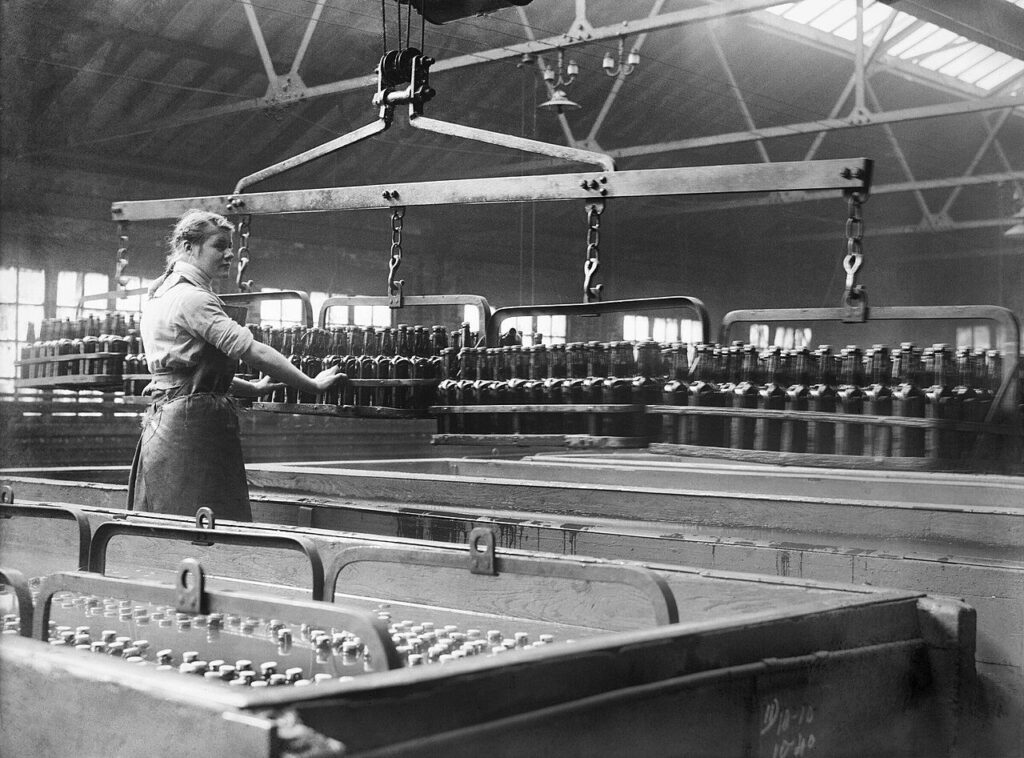
Simple heating process that made milk safe and breakfast cereal a less risky endeavor.
“Everyone’s madly in love with cheese,” said everyone who isn’t lactose intolerant. The heating process, dubbed pasteurization, hit the scene in 1864 thanks to Louis Pasteur. A simple method of heating milk and wine, it made food way safer, like adding seatbelts to a Model T.
Before pasteurization, drinking milk was like playing Russian roulette with your gut. Because of this process, milk keeps longer and doesn’t become a breeding ground for bacteria, making your morning cereal a much safer bet.