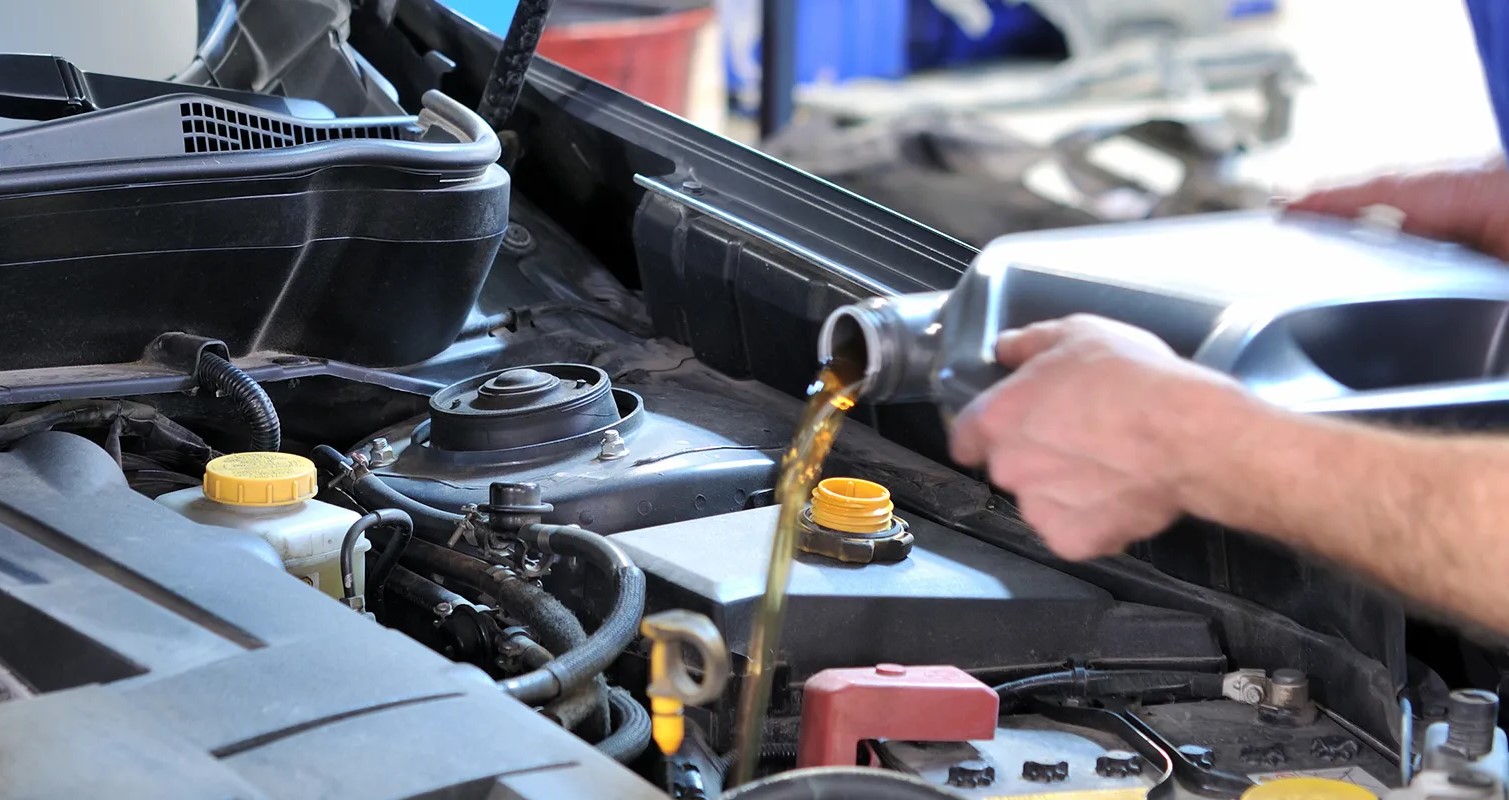
That $5,200 transmission rebuild quote shouldn’t exist—if you’d known the truth about “lifetime” fluid. Car manufacturers have pulled off one of the automotive industry’s slickest semantic tricks, convincing owners that transmission fluid never needs changing. Meanwhile, independent shops see the carnage daily: perfectly good transmissions destroyed by degraded fluid that was supposed to last forever.
When “Lifetime” Means “Warranty Period”
Marketing departments redefined lifetime to protect profits, not your transmission.
The “lifetime” fluid claim refers to the warranty period, not your vehicle’s actual lifespan. Most powertrain warranties end between 60,000-100,000 miles, conveniently before fluid degradation causes catastrophic damage. Your transmission fluid breaks down from heat, friction, and contamination—physics doesn’t care about marketing promises.
The reality hits hard when you realize that degraded transmission fluid creates the perfect storm for expensive repairs. Heat cycles break down the fluid’s protective properties, while metal particles contaminate the system. What starts as crystal-clear hydraulic fluid gradually transforms into something that can barely lubricate your transmission’s intricate components.
The 100K Mile Transmission Graveyard
Repair shops see the pattern: neglected fluid equals expensive failures.
You know that moment when your transmission starts slipping during highway merges? That’s usually degraded fluid failing to provide proper hydraulic pressure. Transmission rebuilds typically cost $3,000-$6,000, with labor eating most of your budget.
The cruel irony? A simple fluid exchange runs $150-$300 and prevents nearly all of these failures. It’s like watching someone’s house burn down because they trusted a smoke detector with “lifetime” batteries. Your transmission doesn’t send warning emails before it fails—it just stops working when you’re merging onto I-95 during rush hour.
Real Maintenance Schedules vs. Marketing Fiction
Actual service intervals protect your investment better than warranty fine print.
Most transmission specialists recommend fluid changes every 30,000-60,000 miles, depending on driving conditions. Severe conditions—city driving, towing, extreme temperatures—require more frequent service.
If you’re approaching 100,000 miles with original fluid, you’re essentially playing Russian roulette with a five-figure repair bill. Smart owners treat their transmission like their engine: regular fluid changes preserve the machinery that moves their life forward. The math is brutally simple—spend $300 every few years or potentially face a $5,000 surprise when your transmission decides it’s had enough.
The next time someone mentions “lifetime” transmission fluid, remember it’s lifetime for the warranty department, not your wallet. Check your service history, and if that fluid hasn’t been changed in 60,000 miles, schedule the service before your transmission joins the graveyard.