Appreciate a Bugatti by knowing about the Vega. This isn’t just a list of lemons; it’s a roadmap of automotive ambition gone sideways. We’ve scoured the junkyards of history to bring you a collection of vehicular missteps so epic, they’re almost impressive. From design disasters to engineering face-plants, these are the rides that make you appreciate your perfectly boring sedan.
11. Ford Mustang II (1974-1978) (Exterior)
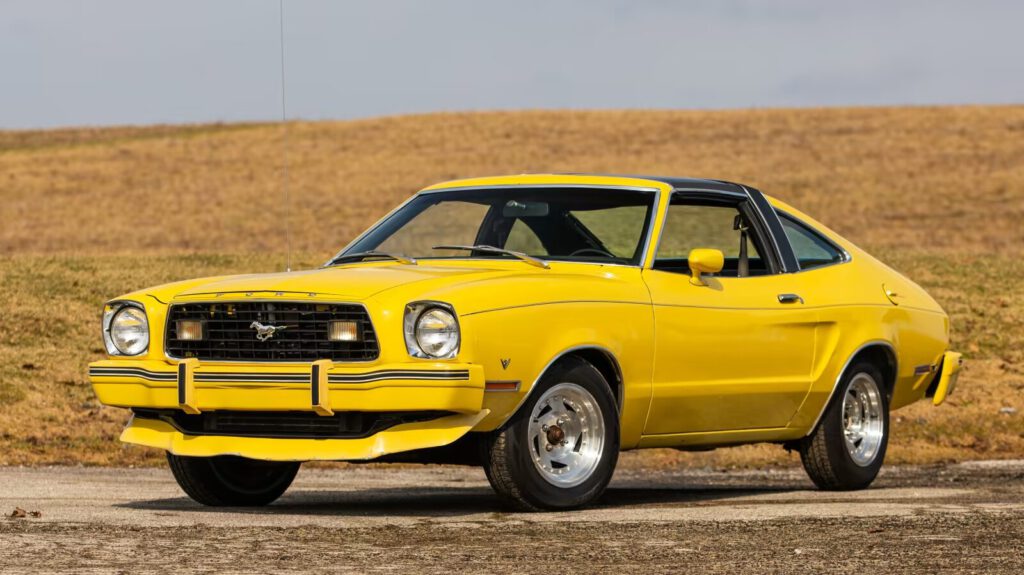
The stallion that got neutered during the fuel crisis.
Anyone who’s seen a classic Mustang knows the name screams power. But what if that stallion was… neutered? The Mustang II, built from 1974 to 1978, was Ford’s attempt to cash in on the fuel crisis, swapping testosterone for tiny. Based on the Pinto platform, it betrayed everything the Mustang stood for.
Ford Mustang II (1974-1978) (Interior)
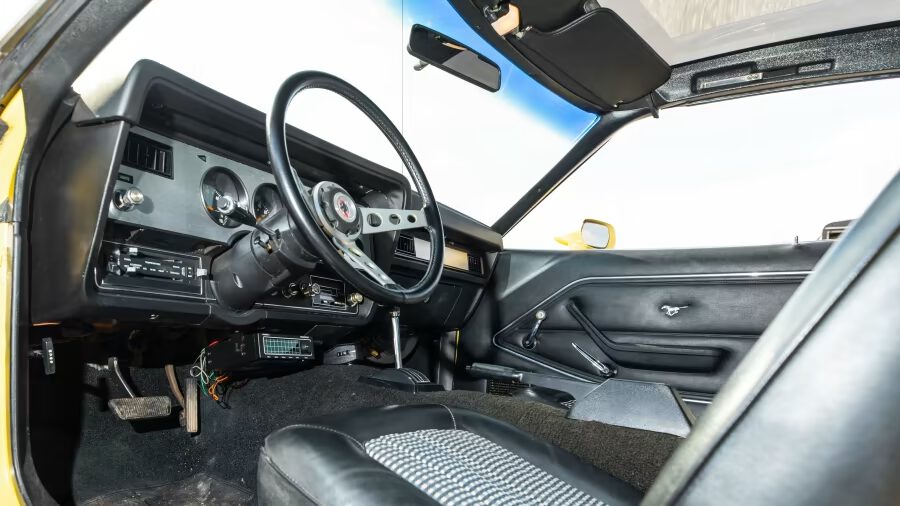
Despite respectable sales, performance was sad. It was the automotive equivalent of ordering a steak and getting a veggie burger—technically food, but deeply unsatisfying. Today, it’s a reminder that sometimes, even iconic brands can stumble when they chase trends instead of honoring their legacy.
10. Lincoln Blackwood (2002) (Exterior)
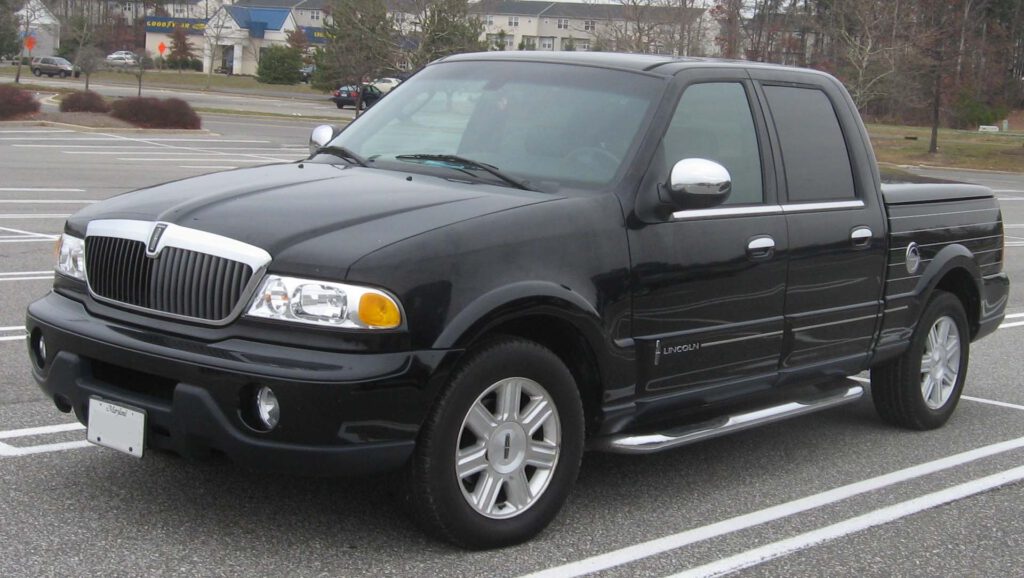
A luxury pickup that couldn’t haul mulch without scratching the precious wood.
Luxury and pickup truck: two tastes that taste terrible together? The Lincoln Blackwood thought it could blend them, but instead, it just tasted like regret. With its fancy name and even fancier price tag, the Blackwood promised a lot but delivered less than a Tinder date with commitment issues.
Lincoln Blackwood (2002) (Interior)
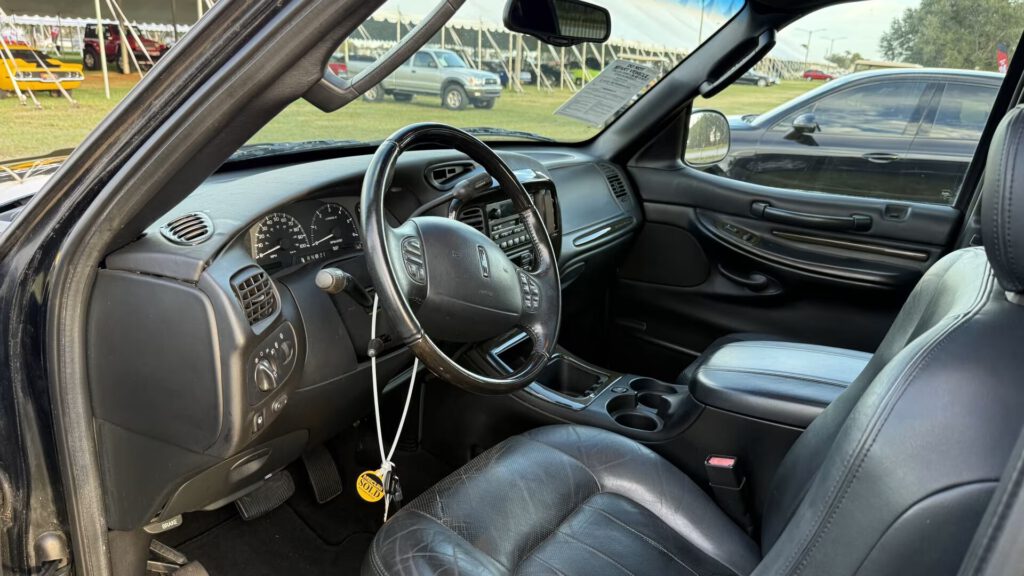
Lacking basic truck utility features, like a bed that could actually haul anything without scratching the precious wood, it missed the mark. This ride was more suited for valet parking than hauling mulch.
9. Chevrolet Vega (1971-1977) (Exterior)
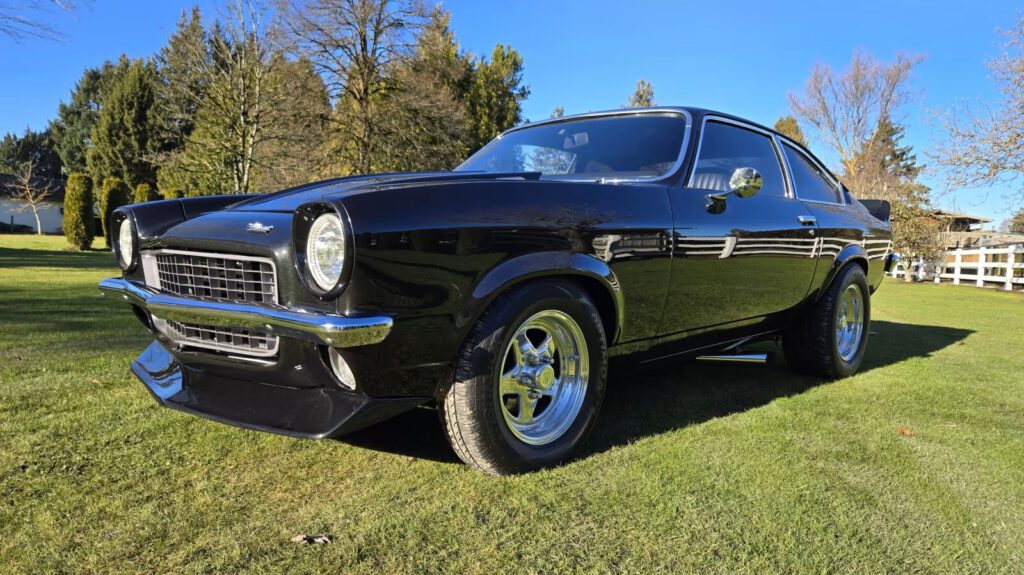
An innovative aluminum engine that turned into a ticking time bomb.
The Vega, marketed as an innovative, affordable compact car, quickly became a textbook example of how not to engineer an engine. Introduced in 1971, the Vega boasted an all-aluminum engine—a rarity at the time. It’s like Chevy tried to build a better mousetrap, but instead, they built a mouse guillotine.
Chevrolet Vega (1971-1977) (Interior)
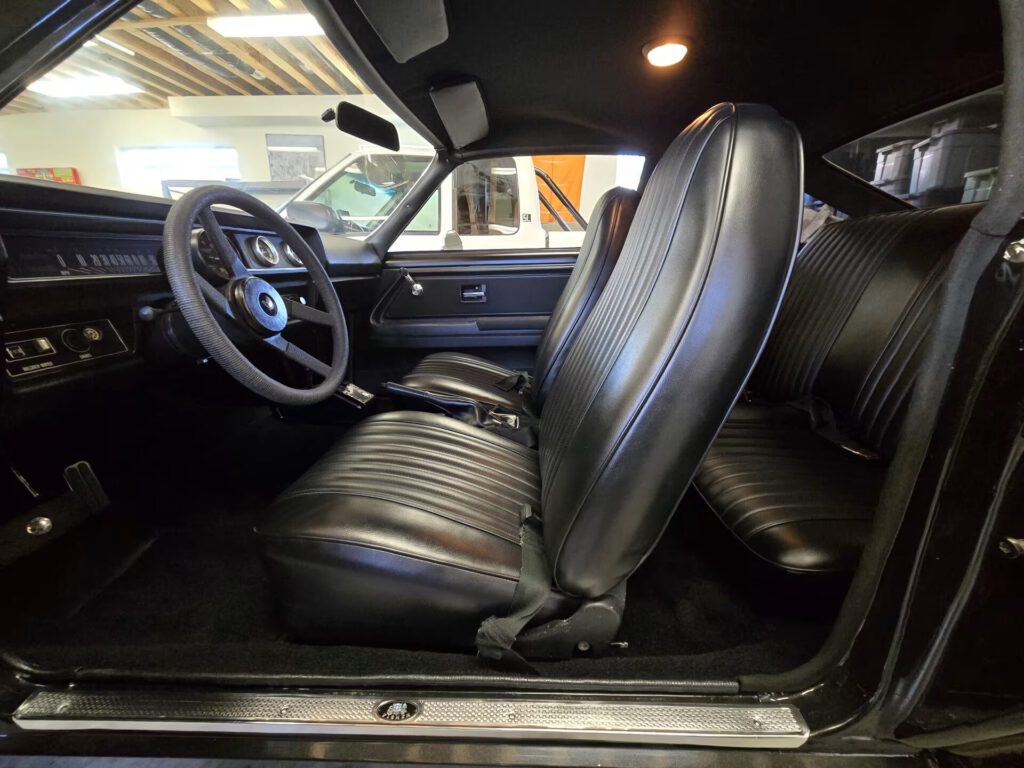
Image: Mecum
Early signs pointed to issues: warping cylinder heads and chronic overheating were common, leading to premature gasket failures. The aluminum block, combined with a lack of proper corrosion inhibitors, meant these engines were essentially ticking time bombs.
8. Buick Enclave (2008, first-gen) (Exterior)
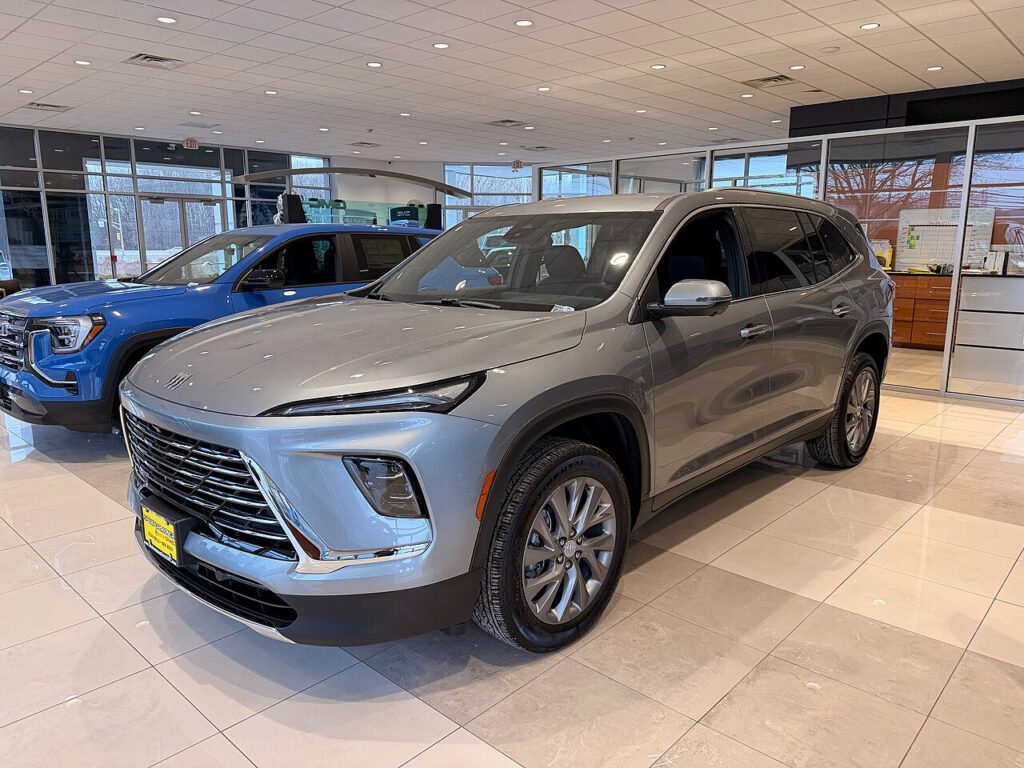
A family SUV that delivered more breakdowns than memories.
“Lemon” doesn’t even begin to cover the first-generation Buick Enclave, especially the 2008 model. Transmission failures? Check. Timing chain issues? Double-check. Power steering problems that leave you wrestling the wheel like you’re auditioning for Gladiator 2? Triple-check.
Buick Enclave (2008, first-gen) (Interior)
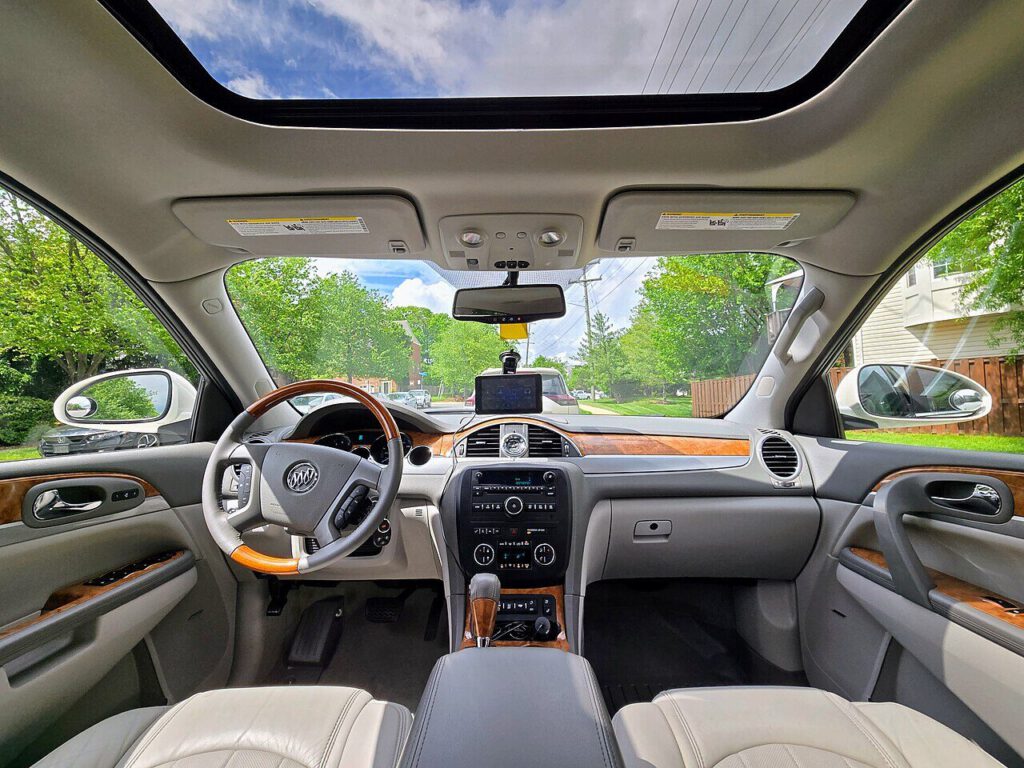
The whole ordeal felt like getting catfished by a car. The Enclave wasn’t just a bad car; it was a vehicular betrayal that left many wondering if Buick had completely lost the plot.
7. Cadillac Cimarron (1980s) (Exterior)
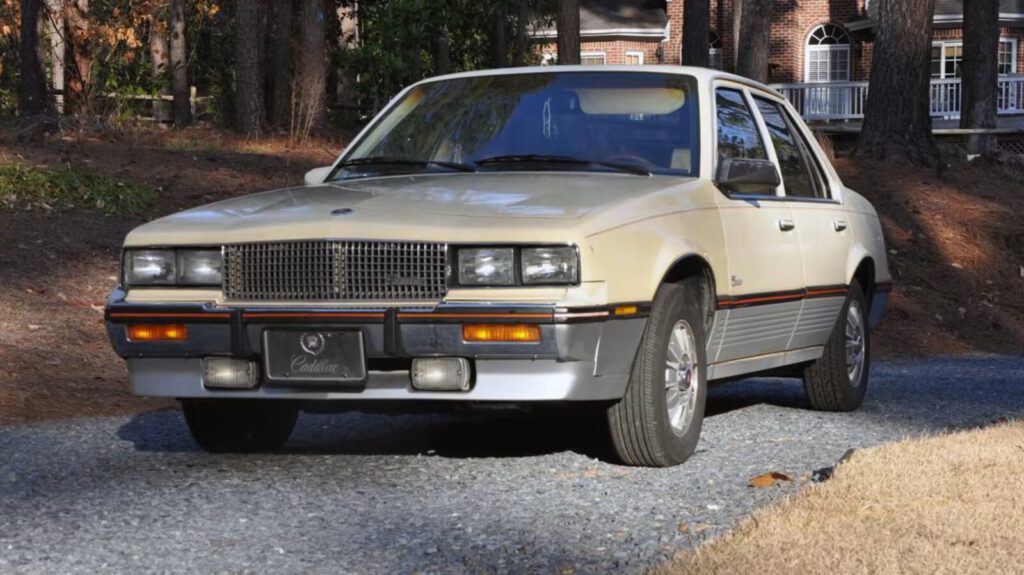
Badge engineering at its worst: a Cavalier in fancy dress.
Slapping a Cadillac badge on a Chevy Cavalier? That’s less flattery and more identity theft. The Cimarron, conceived in the 1980s, was supposed to be Cadillac’s answer to the rising tide of compact luxury cars. Instead, it became the poster child for GM’s badge-engineering at its worst.
Cadillac Cimarron (1980s) (Interior)
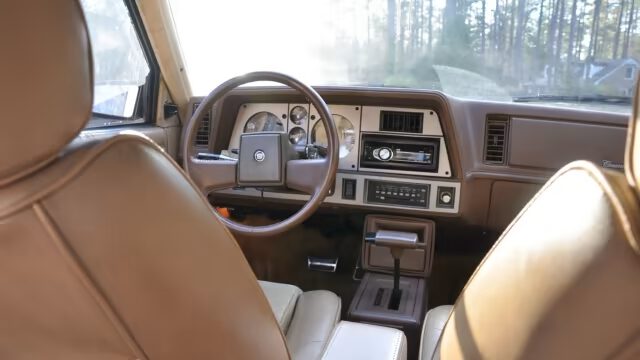
Anyone who’s ever paid extra for “luxury” knows the sting of disappointment. Desperate to capture younger buyers, they thought they could shortcut their way to success. The response: crickets.
6. Chrysler Sebring (mid-2000s) (Exterior)
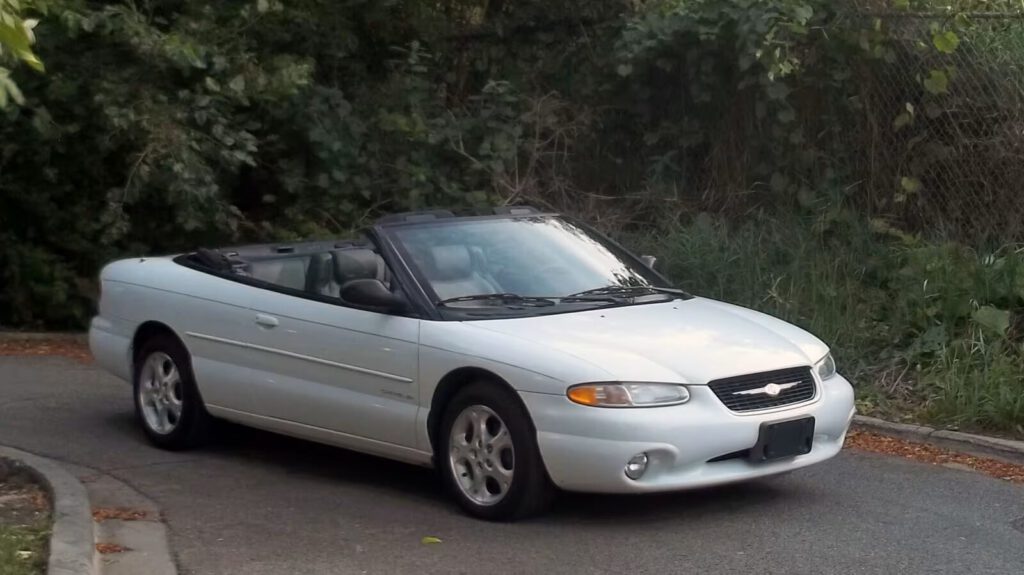
A car so bad it made you question your life choices.
For those who enjoy automotive irony, the Chrysler Sebring is a gift that keeps on giving. Deemed Chrysler’s worst, this mid-2000s model single-handedly symbolized the era’s dramatic quality nosedive. With underpowered engines, unreliable build quality, and interiors that looked like they were sourced from a 99-cent store, the Sebring missed the mark at every turn.
Chrysler Sebring (mid-2000s) (Interior)
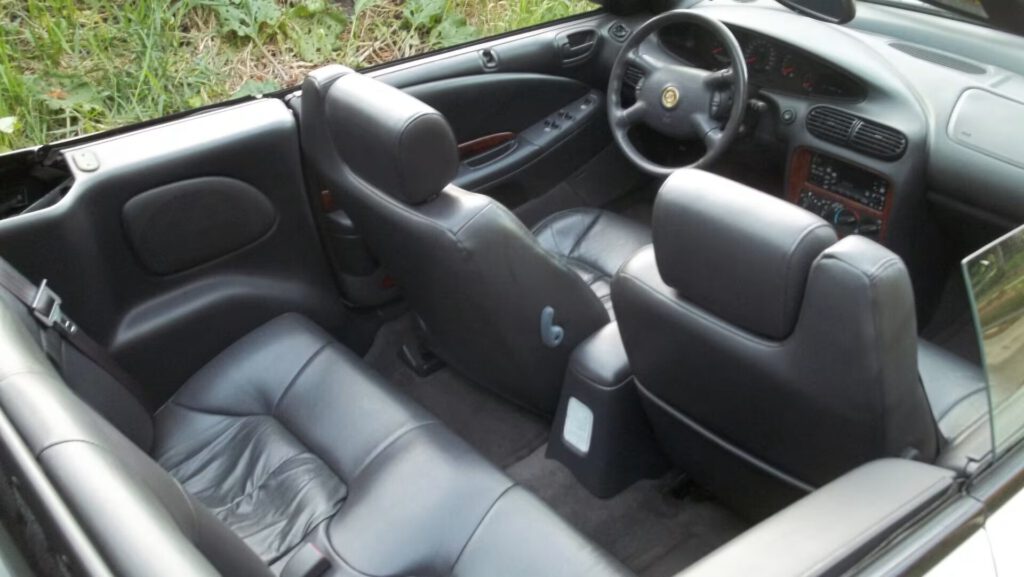
The Sebring’s noisy ride was like a seatbelt alarm that wouldn’t shut up—except constant. Anyone who’s had the misfortune of owning one understands: sometimes, a car is more than just transportation—it’s a rolling monument to regret.
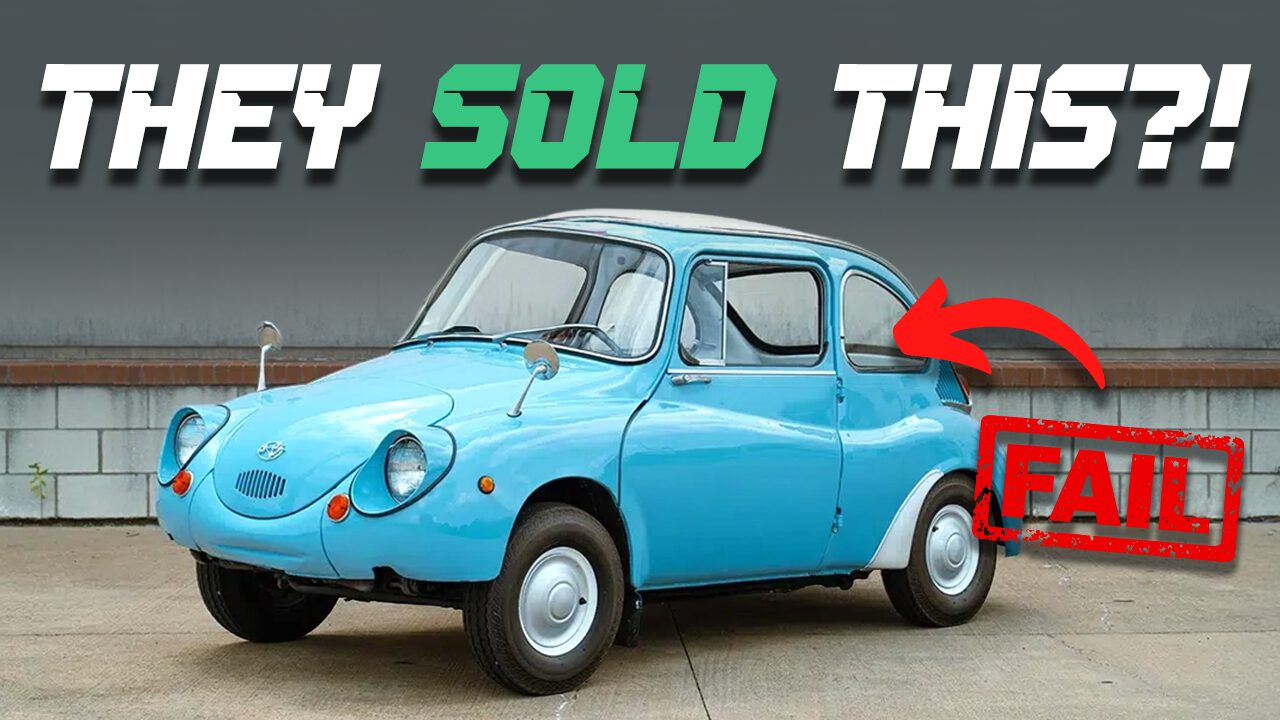
5. Subaru 360 (1968 US launch) (Exterior)
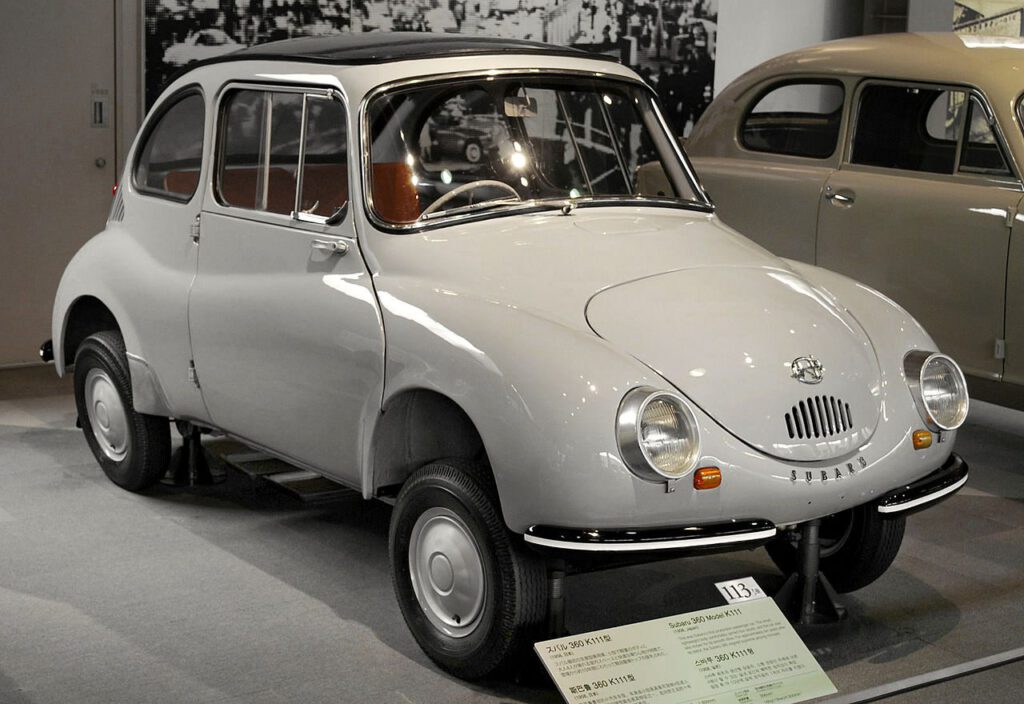
An underpowered microcar that Consumer Reports called a death trap.
In 1968, Subaru launched the 360 in the U.S. Turns out, Americans weren’t exactly clamoring for an underpowered, flimsy microcar that allegedly took “4.5 days” to reach 60 mph. It was like showing up to a gunfight with a water pistol.
Subaru 360 (1968 US launch) (Interior)
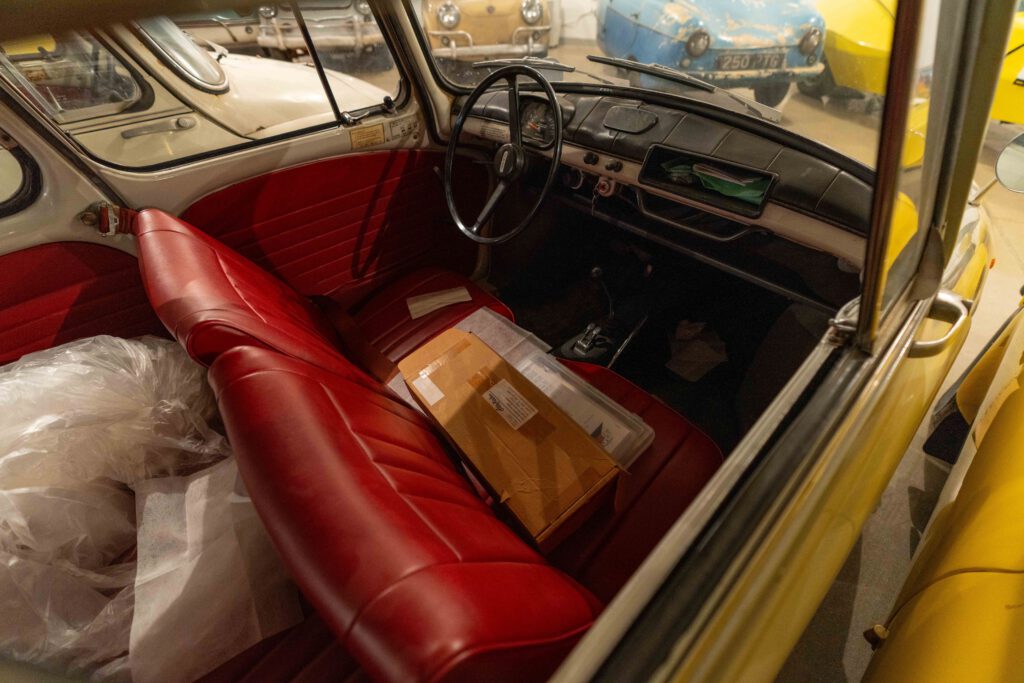
The 360 became an early punchline, tarnishing Subaru’s reputation right out of the gate. Consider it a vital lesson: sometimes, it’s better to arrive late than to arrive in a vehicle that could lose a fight with a strong breeze.
4. Pontiac Aztek (2001-2005) (Exterior)
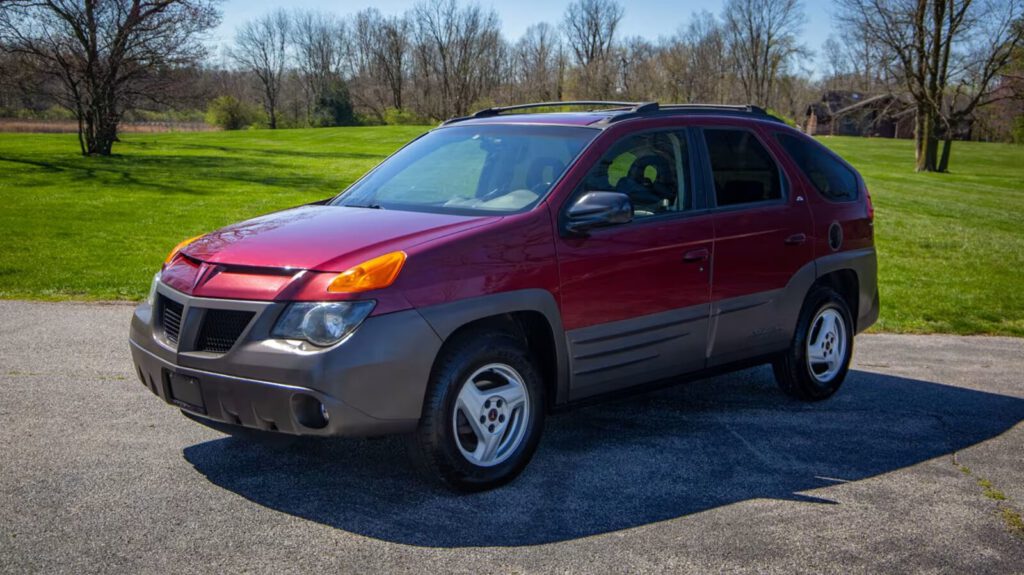
The automotive equivalent of a mullet: ugly all over.
While most concepts die on the drawing board, some escape to wreak havoc on the highways. The Pontiac Aztek, allegedly responsible for single-handedly killing Pontiac, proves that point. Its design was so unfortunate that people started calling it the automotive equivalent of a mullet.
Pontiac Aztek (2001-2005) (Interior)
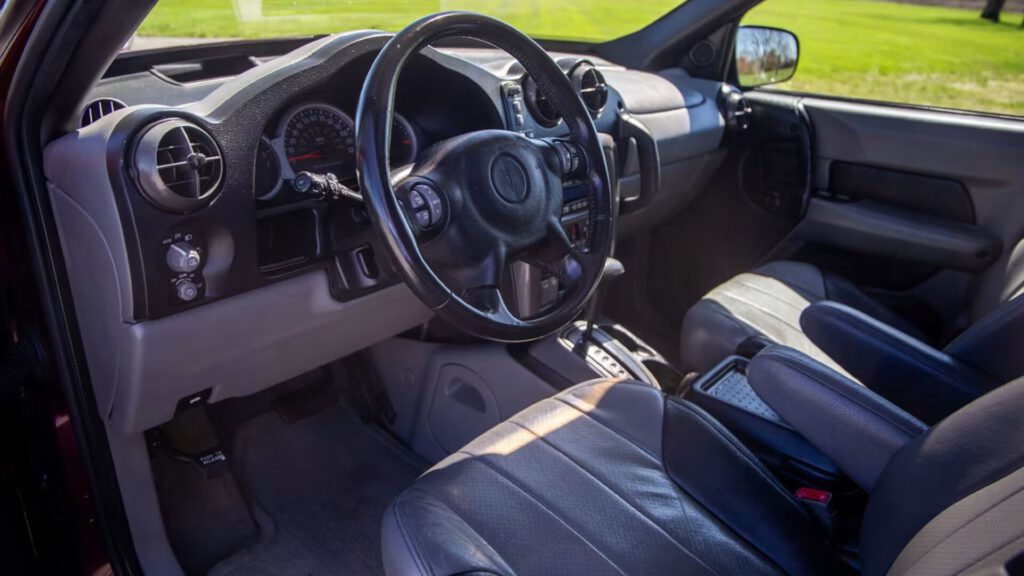
Edmunds ranked the 2001 Aztek as one of the worst cars of all time, citing poor drive quality to add insult to injury. It’s like wearing Crocs to a black-tie event: making a statement, but not the one you think.
3. GMC Acadia (2007-2016 first-gen) (Exterior)
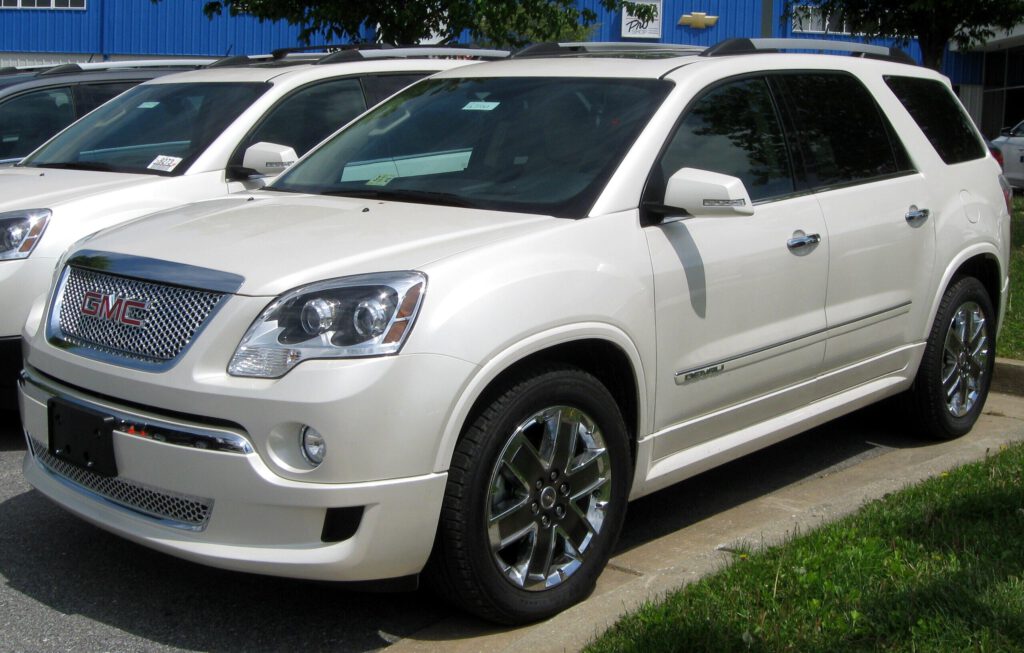
Engines with a thirst for oil that rivaled Lindsay Lohan’s in the mid-2000s.
Those early Acadia engines used a timing chain that didn’t love staying lubricated. Result? Engines blowing up like a budget action movie. Oil starvation leads to stretched chains and eventually, kaput.
GMC Acadia (2007-2016 first-gen) (Interior)
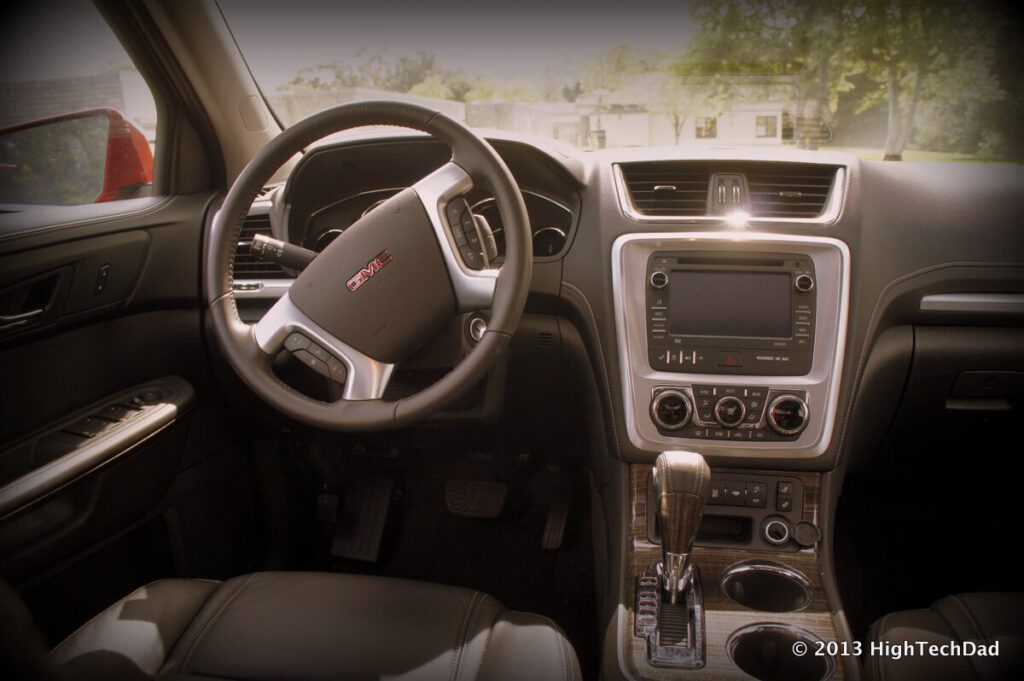
It’s not if it’ll blow, but when—unless checking the oil more often than your Insta feed sounds appealing. Some mechanics might tell you regular flushes and prayers can help, but it’s more like putting a band-aid on a gunshot wound.
2. Hummer H2 (2003-2009) (Exterior)
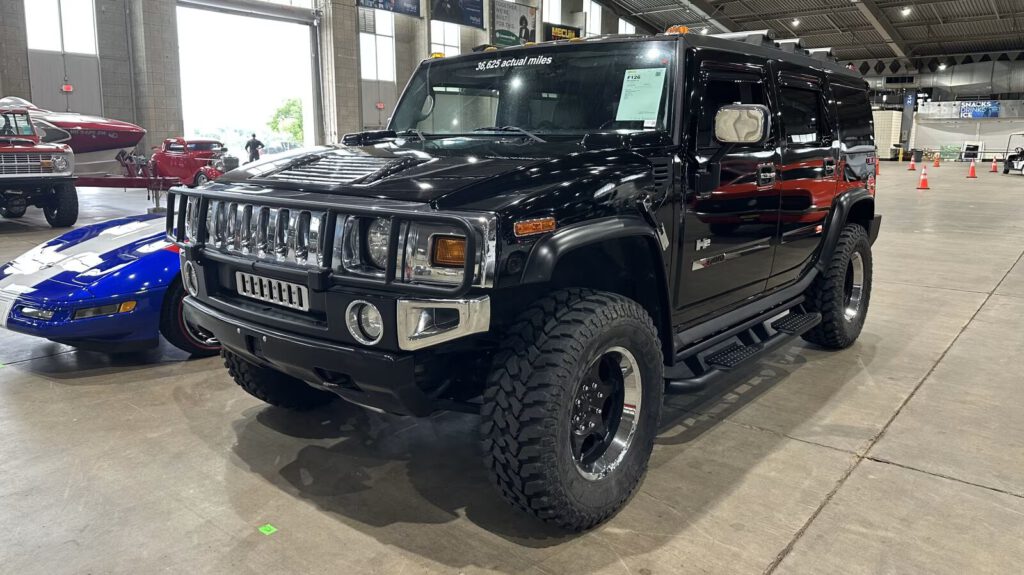
Peak “look at me” culture on 37-inch tires.
The Hummer H2 rolled onto the scene like a middle finger to fuel efficiency. This beast wasn’t just big; it was a statement. The ultimate soccer-mom-mobile for those who wanted to flex on the school run, featuring wasteful excess on 37-inch tires.
Hummer H2 (2003-2009) (Interior)
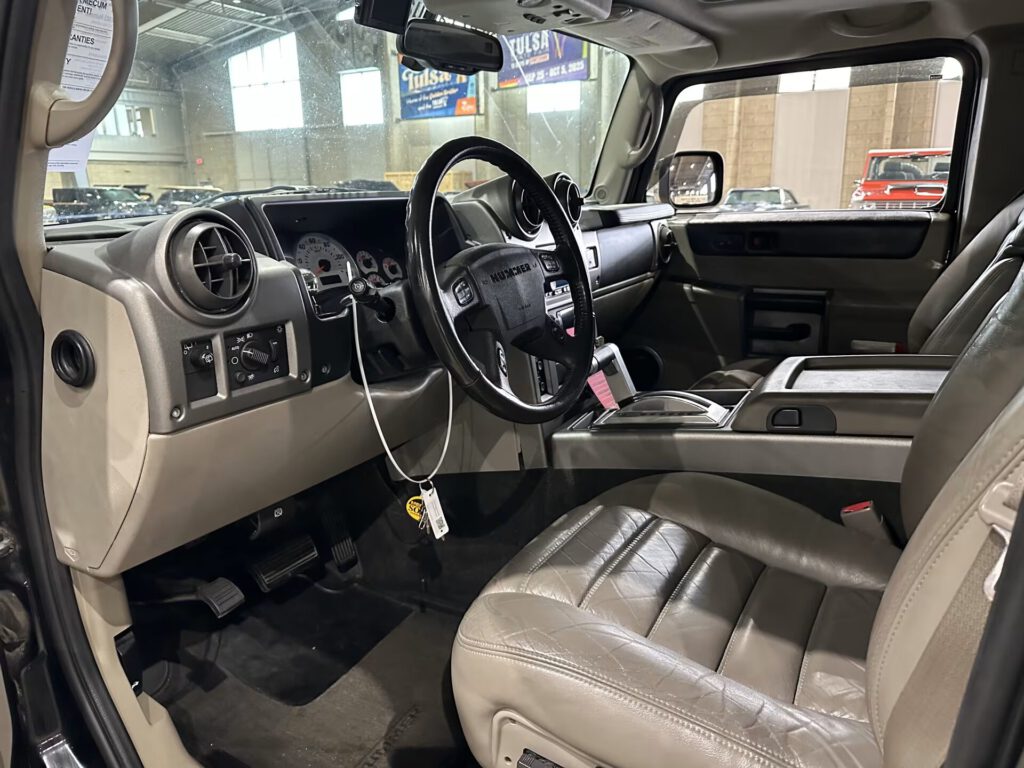
Driving an H2 was like wearing a fur coat to a vegan potluck. It guzzled gas faster than a frat boy at a kegger, earning its spot as a symbol of automotive absurdity that maybe should have been looking at the planet instead.
1. Chevrolet Chevette (Exterior)
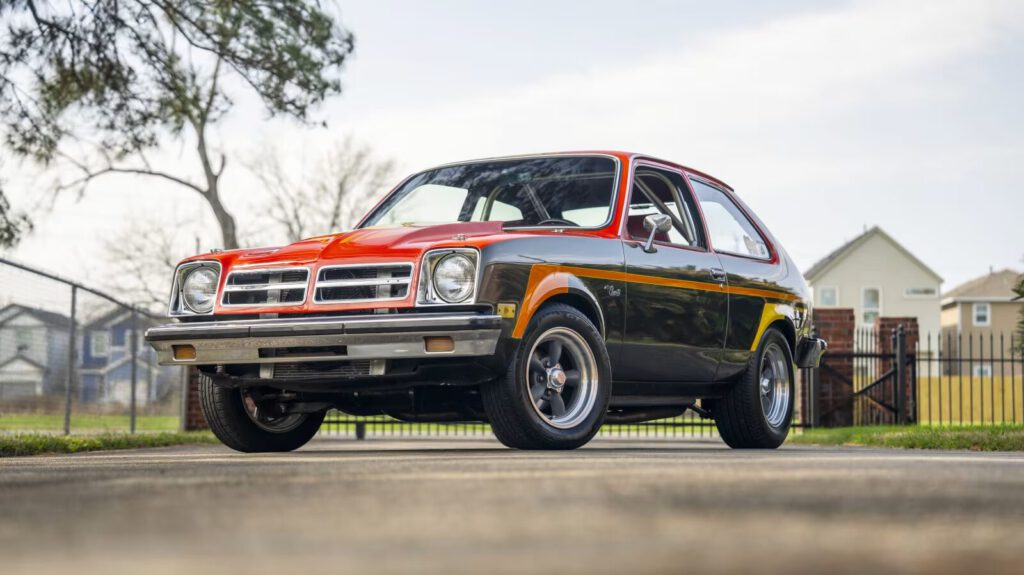
Basic transportation with build quality flimsier than a TikTok trend.
GM designed this subcompact as basic transportation, and boy, did it deliver. Anyone who’s ever tried to merge onto a highway with a Chevette knows the pain. Its anemic engine struggled to reach 60 mph faster than you can say “lemon.”
Chevrolet Chevette (Interior)
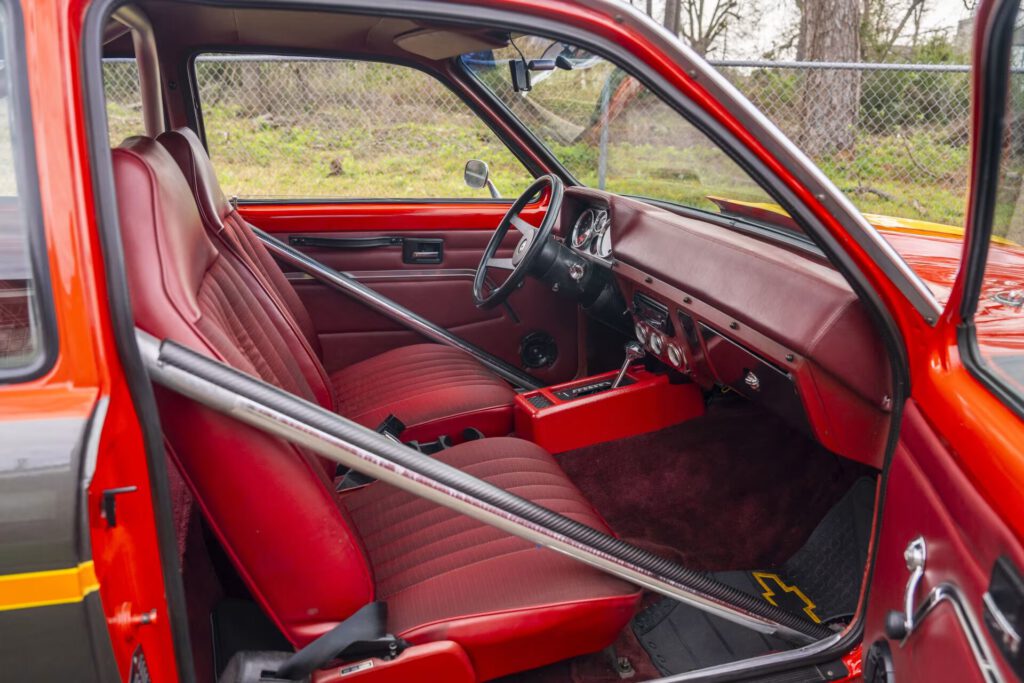
Combine that with build quality flimsier than a TikTok trend, and you had a recipe for automotive regret. If considering a vintage Chevette, maybe stick to admiring it from afar—unless playing automotive Russian roulette sounds thrilling.