“Dress for the slide, not the ride” is more than just biker bravado; it’s a survival strategy. But let’s be brutally honest: some motorcycle gear trends are about as useful as a screen door on a submarine. The market overflows with flashy gadgets and “revolutionary” accessories that promise everything from superhuman protection to telepathic communication with fellow riders. Most deliver disappointment wrapped in premium pricing.
Smart riders know the difference between essential safety equipment and marketing-driven nonsense. This guide cuts through the noise to spotlight twelve common gear traps that separate novice buyers from their hard-earned cash. Whether you’re gearing up for your first bike or upgrading after years on the road, these insights will save you money and potential embarrassment. Think of it as your gear-buying cheat sheet, crafted for riders who value substance over flash and performance over pretty packaging.
12. Overpriced “Smart” Helmets with Gimmicky Features
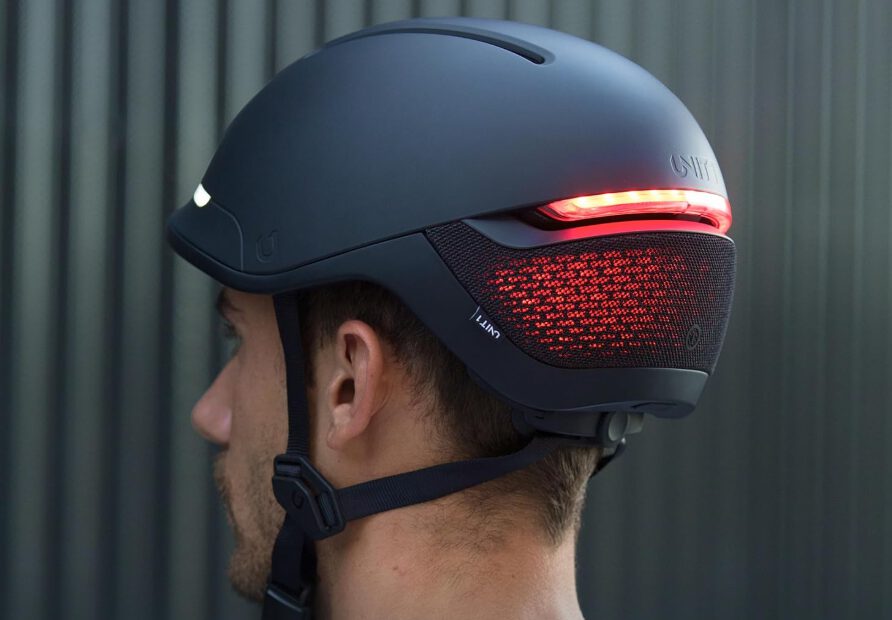
These tech-heavy lids often sacrifice core safety for flashy add-ons that rarely work as advertised.
Premium-priced smart helmets loaded with Bluetooth, heads-up displays, and built-in cameras sound incredible until you realize they’re solving problems that don’t exist. Most riders need clear vision and reliable protection, not a helmet that doubles as a smartphone. These devices frequently suffer from poor battery life, unreliable connectivity, and added weight that creates neck strain during long rides.
The built-in tech becomes obsolete faster than your last smartphone, leaving you with an expensive paperweight. Traditional helmets meeting DOT or ECE standards provide superior protection at a fraction of the cost, with aftermarket communication systems offering better reliability and upgradeability.
11. Leather Gear Without Proper Armor
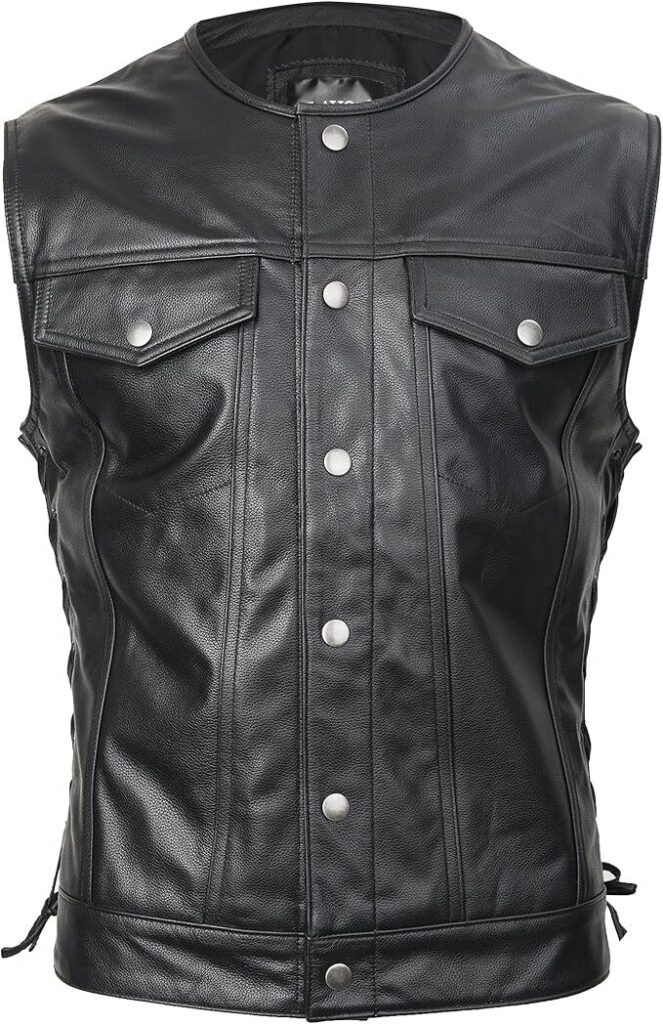
Fashion-forward leather jackets and pants that prioritize style over impact protection leave riders vulnerable.
Walking into a motorcycle dealership, you’ll find countless leather jackets that look ready for a Hollywood action sequence but offer protection comparable to a cotton hoodie. These style-focused pieces skip crucial armor inserts at shoulders, elbows, knees, and spine—the exact areas that absorb impact during crashes.
Quality protective gear includes CE-rated armor that meets European safety standards for impact absorption and abrasion resistance. Without proper armor, that expensive leather jacket becomes an overpriced fashion statement that won’t protect you when physics comes calling. Look for jackets and pants with removable, upgradeable armor systems that actually meet safety certifications.
10. Heated Gear That Overheats Your Budget
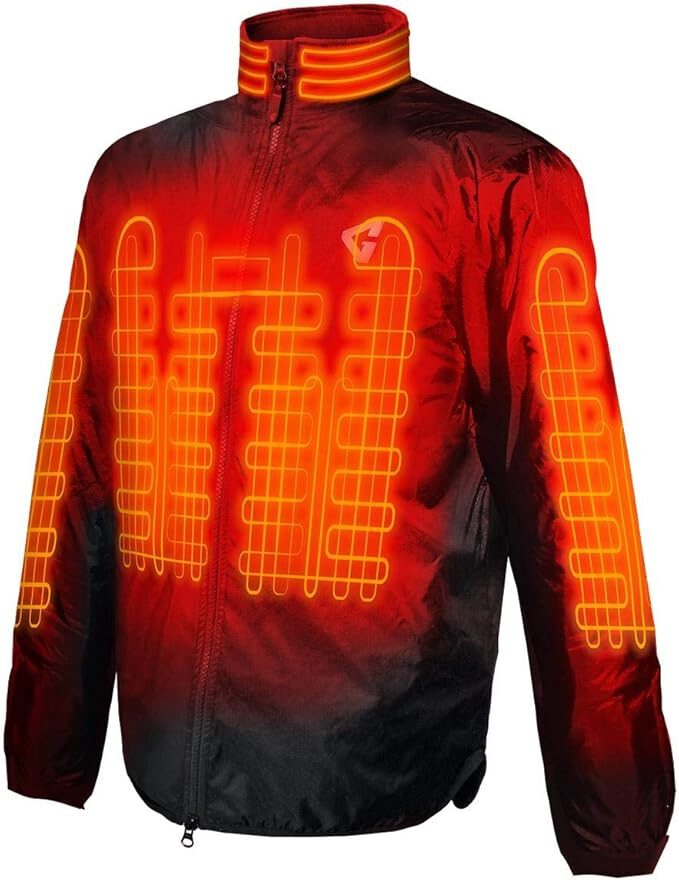
Electric heated clothing often costs more than upgrading your bike’s comfort features and reliability remains questionable.
Electric heated gloves, vests, and socks promise to extend your riding season, but they typically deliver inconsistent warmth while draining your bike’s electrical system. Most heated gear suffers from hot spots, cold zones, and wiring that fails after minimal use. The battery packs are bulky, the controllers are finicky, and you’re constantly managing power levels instead of focusing on the road.
Layered insulation systems using merino wool and synthetic materials provide consistent warmth without electrical complications. Quality base layers and windproof outer shells often outperform heated gear while costing significantly less and requiring zero maintenance or power management.
9. Cheap Riding Boots That Fall Apart
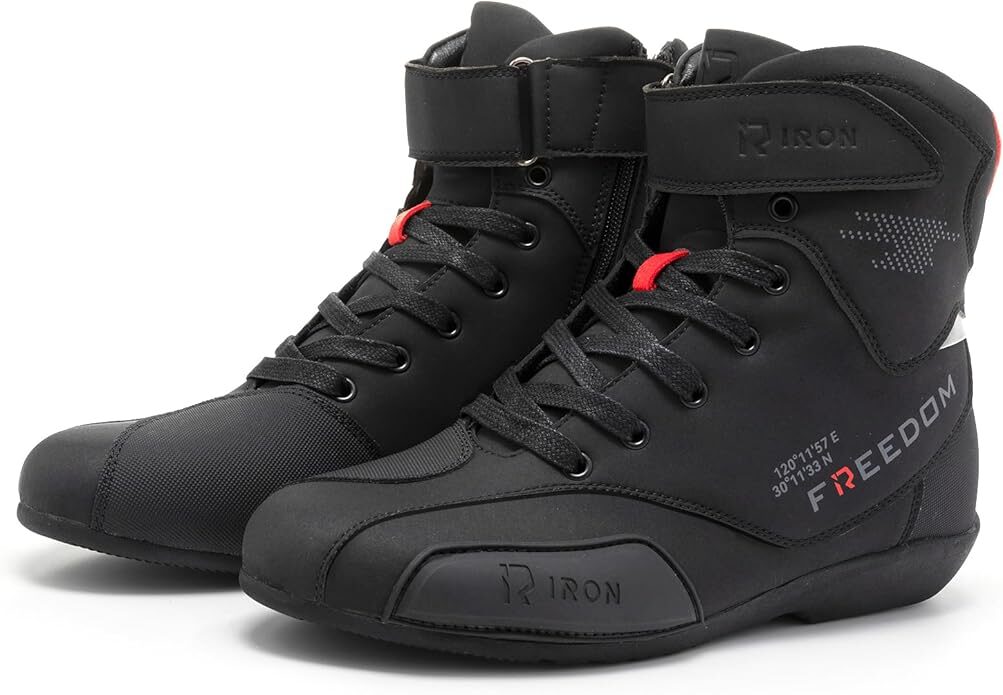
Bargain boots might look the part but lack the construction quality needed for motorcycle-specific protection.
Those $50 “motorcycle boots” at discount retailers share nothing with legitimate riding footwear except appearance. Cheap boots use cardboard reinforcement instead of proper ankle protection, thin soles that offer no crash protection, and stitching that fails under normal wear. The zippers break, the leather cracks, and the protection disappears exactly when you need it most.
Quality motorcycle boots feature reinforced toe boxes, ankle armor, non-slip soles, and construction designed to stay on your feet during a slide. Investing in properly rated boots from established safety-focused brands provides years of protection and comfort that budget alternatives simply cannot match.
8. Accessory Overload Syndrome
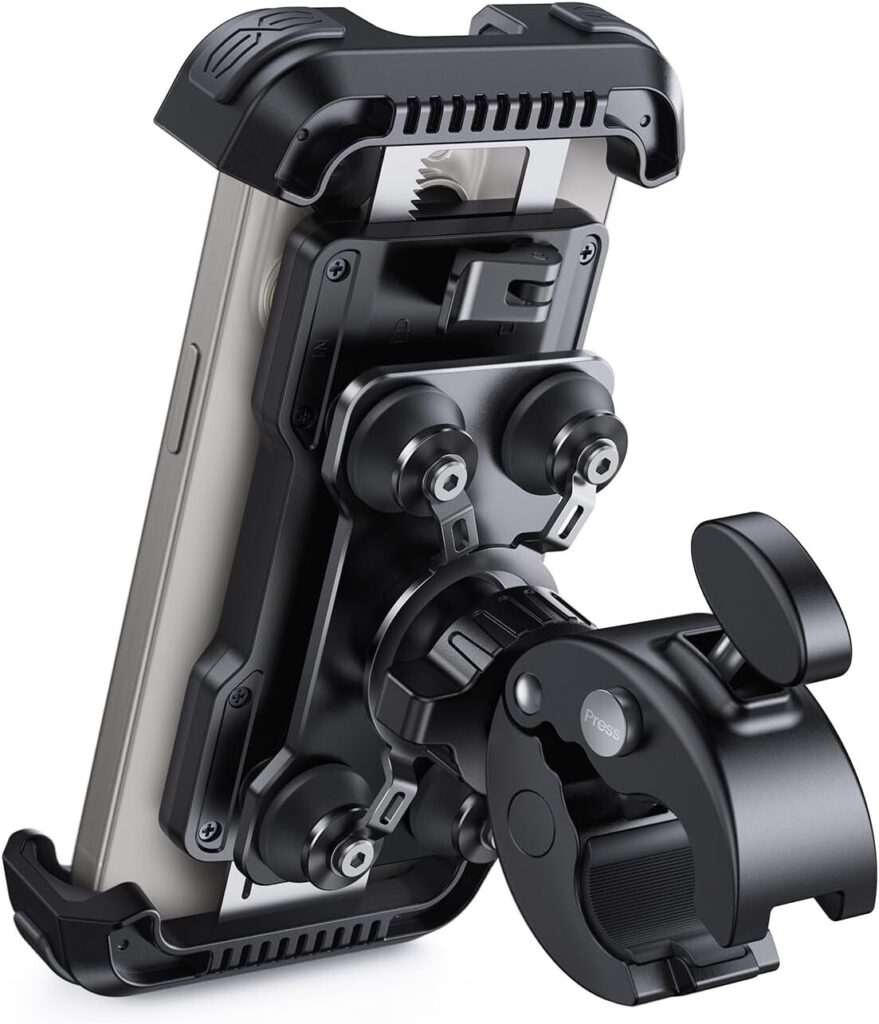
Loading your bike with every available gadget creates more problems than solutions while emptying your wallet.
The motorcycle accessory market thrives on selling solutions to problems you didn’t know you had. Phone mounts, tank bags, heated grips, GPS systems, action cameras, and countless other add-ons promise to enhance your riding experience. Instead, they often create distraction, add weight, increase wind resistance, and provide multiple failure points.
Most accessories gather dust after the initial novelty wears off, while the truly useful items are surprisingly simple and affordable. Focus on basic necessities: proper storage, reliable lighting, and essential maintenance tools. Everything else is probably marketing fluff designed to separate enthusiastic riders from their money.
7. Generic Rain Gear That Soaks Through
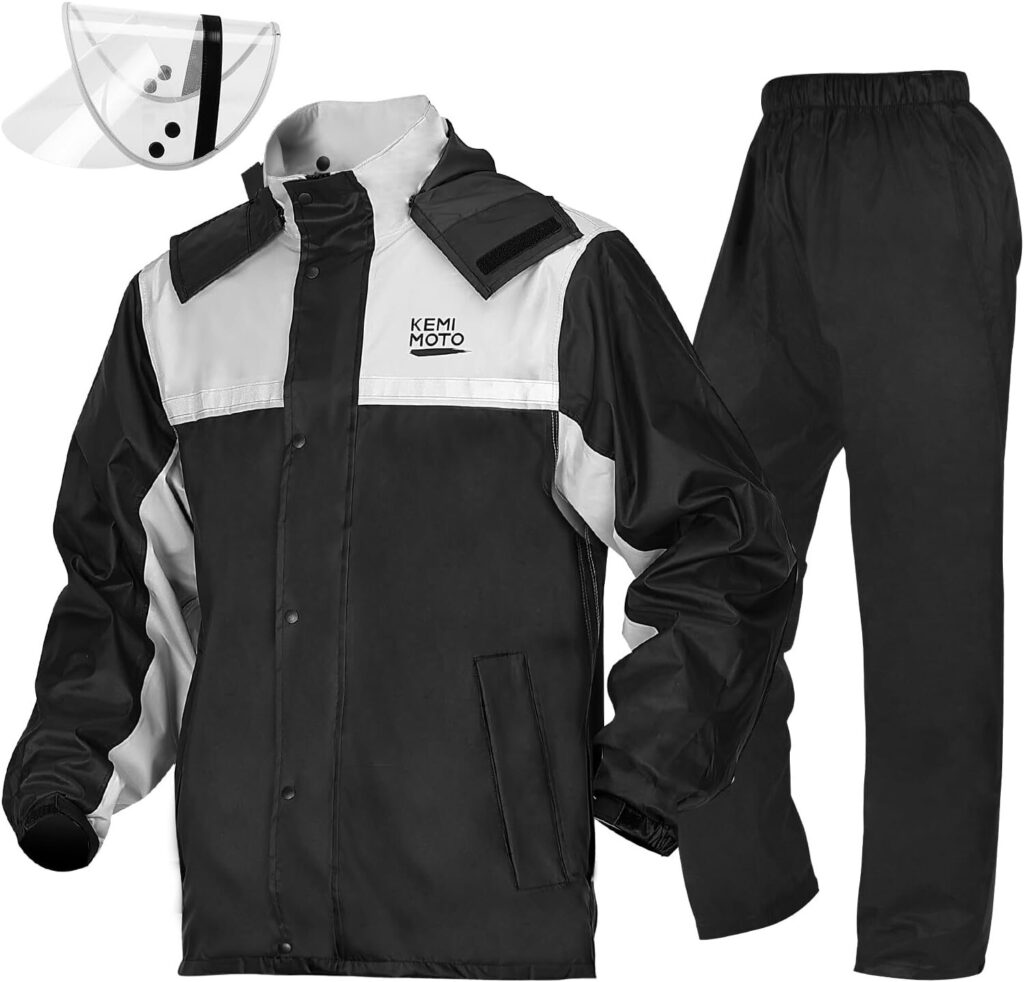
Cheap rain suits provide false confidence and leave riders drenched when weather turns serious.
Nothing ruins a ride faster than discovering your bargain rain gear has the water resistance of a paper towel. Generic rain suits found at auto parts stores or discount retailers typically use materials that look waterproof but fail under real-world conditions. The seams aren’t sealed, the zippers leak, and the fabric becomes saturated after minimal exposure.
Quality rain gear designed specifically for motorcycle use features taped seams, waterproof zippers, and materials that maintain flexibility at speed. The initial investment pays dividends when you arrive dry instead of drenched, maintaining both comfort and safety during unexpected weather changes.
6. Handlebar Accessories That Compromise Control
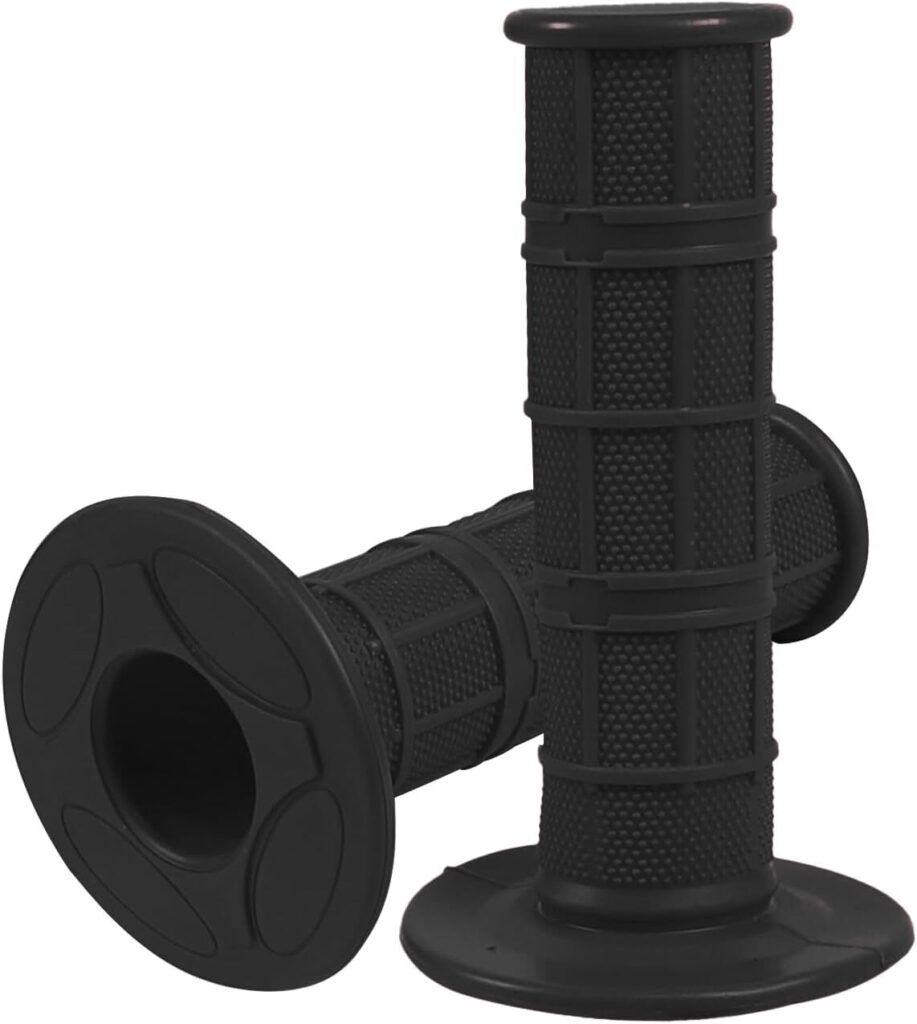
Adding grips, levers, and controls might seem like upgrades but often reduce your ability to operate the bike safely.
Aftermarket grips with heating elements, vibration dampening, or ergonomic claims frequently create more problems than they solve. These accessories can interfere with proper hand positioning, reduce tactile feedback from the controls, and add bulk that changes your grip dynamics. Similarly, decorative levers and custom controls might look impressive but rarely improve actual functionality.
Stock controls are engineered for optimal performance and safety. Any modifications should enhance function without compromising your ability to brake, shift, or steer effectively. Aesthetic improvements that reduce control precision are expensive mistakes waiting to cause problems when quick reactions matter most.
5. Protective Gear with Fake Certifications
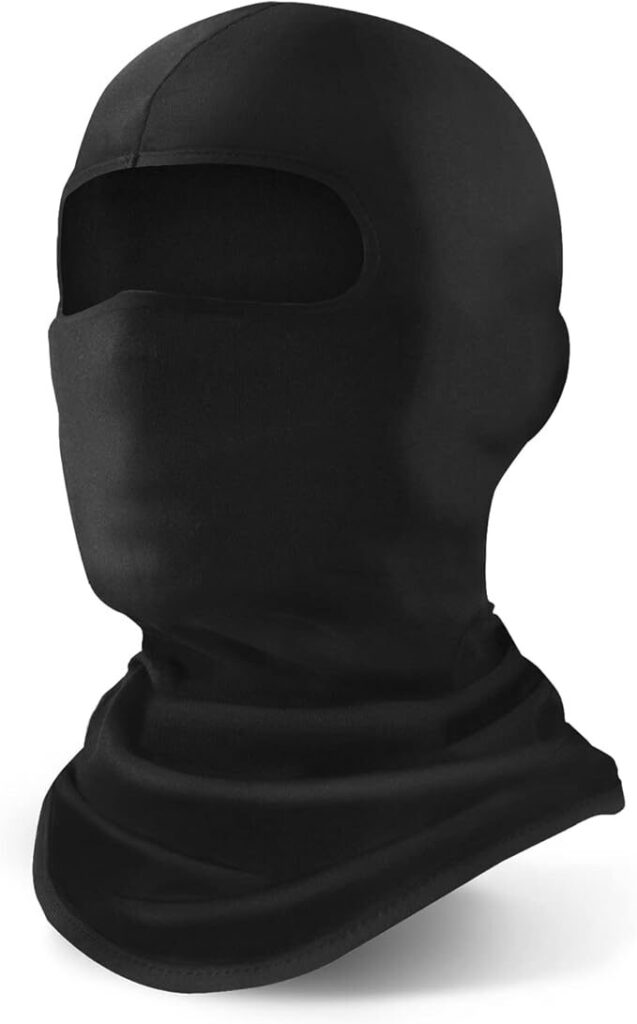
Counterfeit safety equipment bearing fraudulent safety ratings puts riders at serious risk while appearing legitimate.
The market contains countless protective items displaying fake CE marks, DOT stickers, and other safety certifications. These counterfeit products look legitimate but provide minimal protection when crashes occur. Fake armor crumbles on impact, uncertified helmets crack under pressure, and fraudulent protective clothing tears instead of sliding.
Purchasing protective gear requires verification of legitimate safety ratings from authorized dealers. Research manufacturers, verify certification claims, and avoid deals that seem too good to be true. Your safety depends on equipment that actually meets the standards it claims, not just displays the proper logos.
4. Communication Systems with Poor Audio Quality
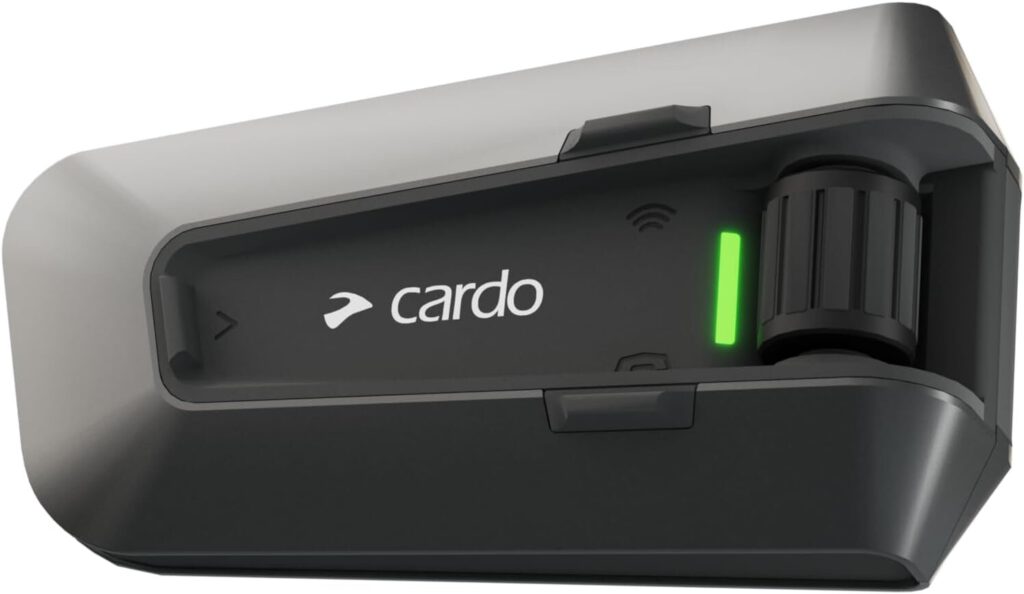
Expensive helmet communication systems often deliver frustrating audio experiences that distract from safe riding.
Bluetooth communication systems promise crystal-clear conversations and seamless music streaming, but many deliver static-filled disappointment. Poor microphone placement, inadequate noise cancellation, and unreliable connectivity create more frustration than convenience. Riders spend more time fiddling with controls than focusing on traffic.
Quality communication systems require significant research and investment to function properly. Many riders discover that simple earplugs and post-ride conversations provide better results than expensive electronic solutions that never quite work as advertised.
3. Tire Pressure Monitoring Systems That Monitor Nothing
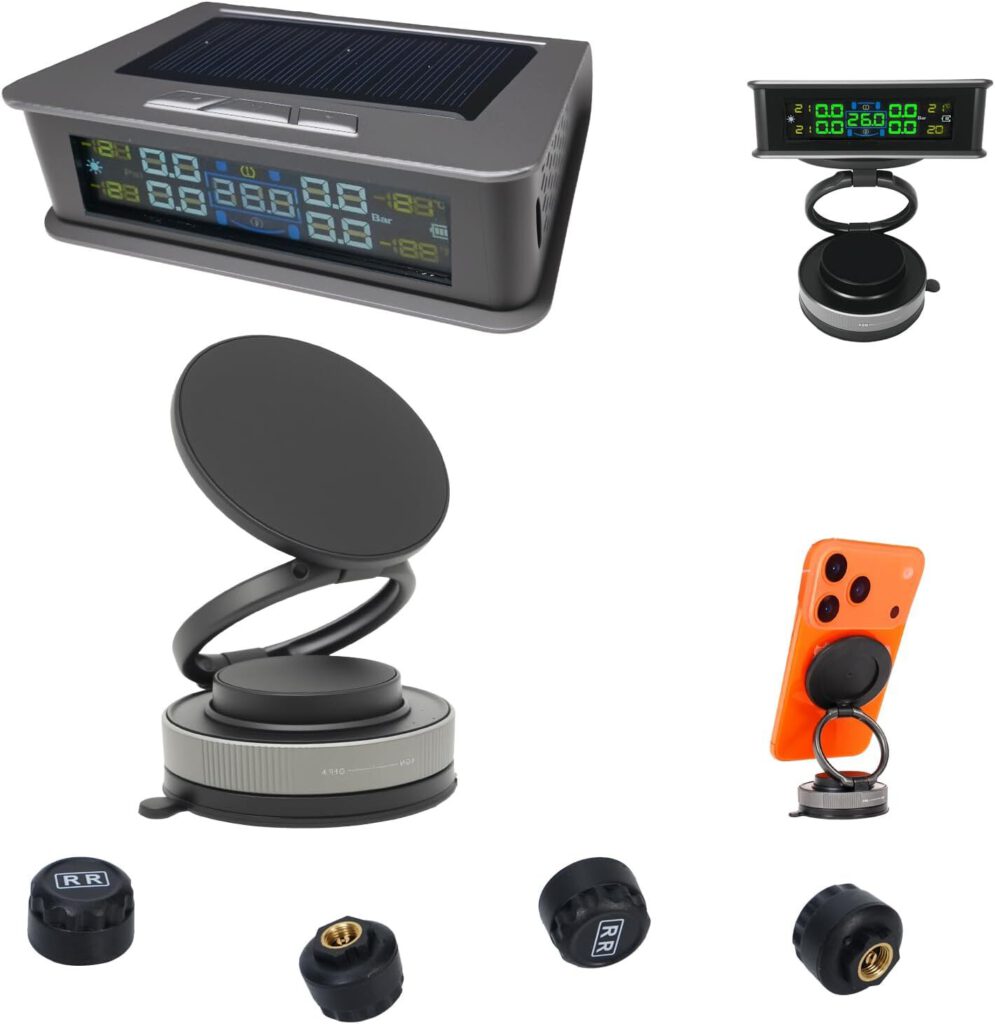
Aftermarket TPMS devices for motorcycles rarely provide accurate readings and often fail when needed most.
Aftermarket tire pressure monitoring systems marketed for motorcycles promise peace of mind but typically deliver false security. These devices struggle with vibration, provide inaccurate readings, suffer from poor battery life, and fail to alert riders to gradual pressure losses. The sensors often fall off or malfunction, leaving riders unaware of developing problems.
Regular manual tire pressure checks using a quality gauge remain more reliable than electronic monitoring systems. Developing a routine of visual inspections and pressure verification provides better safety assurance than depending on gadgets that might not work when you need them most.
2. Luggage Systems That Can’t Handle Real Touring
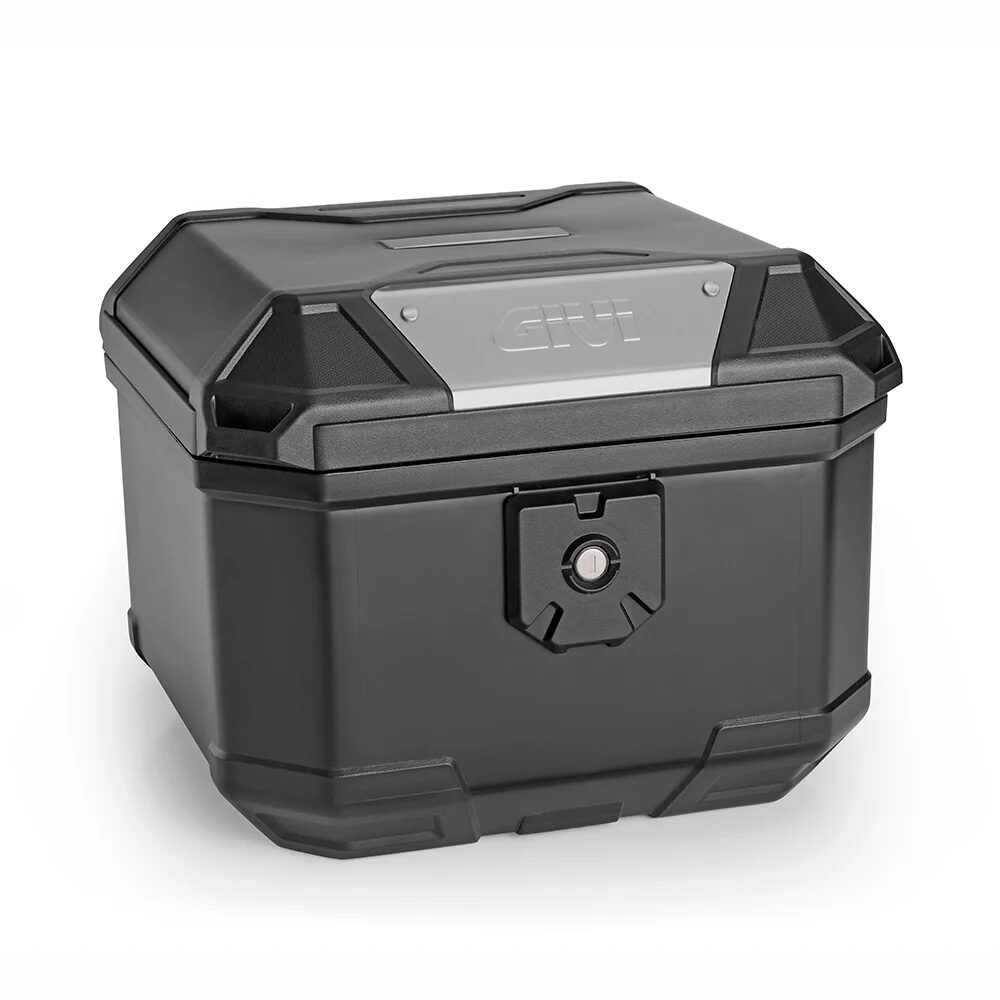
Cheap touring bags and cases promise adventure capability but fail under actual touring conditions.
Budget touring luggage looks capable in showrooms but reveals serious limitations on extended rides. Cheap materials fail under weather exposure, zippers break from repeated use, mounting systems loosen or break, and water protection disappears when truly needed. These failures often occur far from home, creating serious inconvenience and potential safety issues.
Quality luggage systems represent significant investments but provide years of reliable service under demanding conditions. Proper touring cases maintain structural integrity, offer genuine weather protection, and use mounting systems designed for long-term durability. The peace of mind during extended adventures justifies the initial expense.
1. High-Tech Gloves That Sacrifice Dexterity
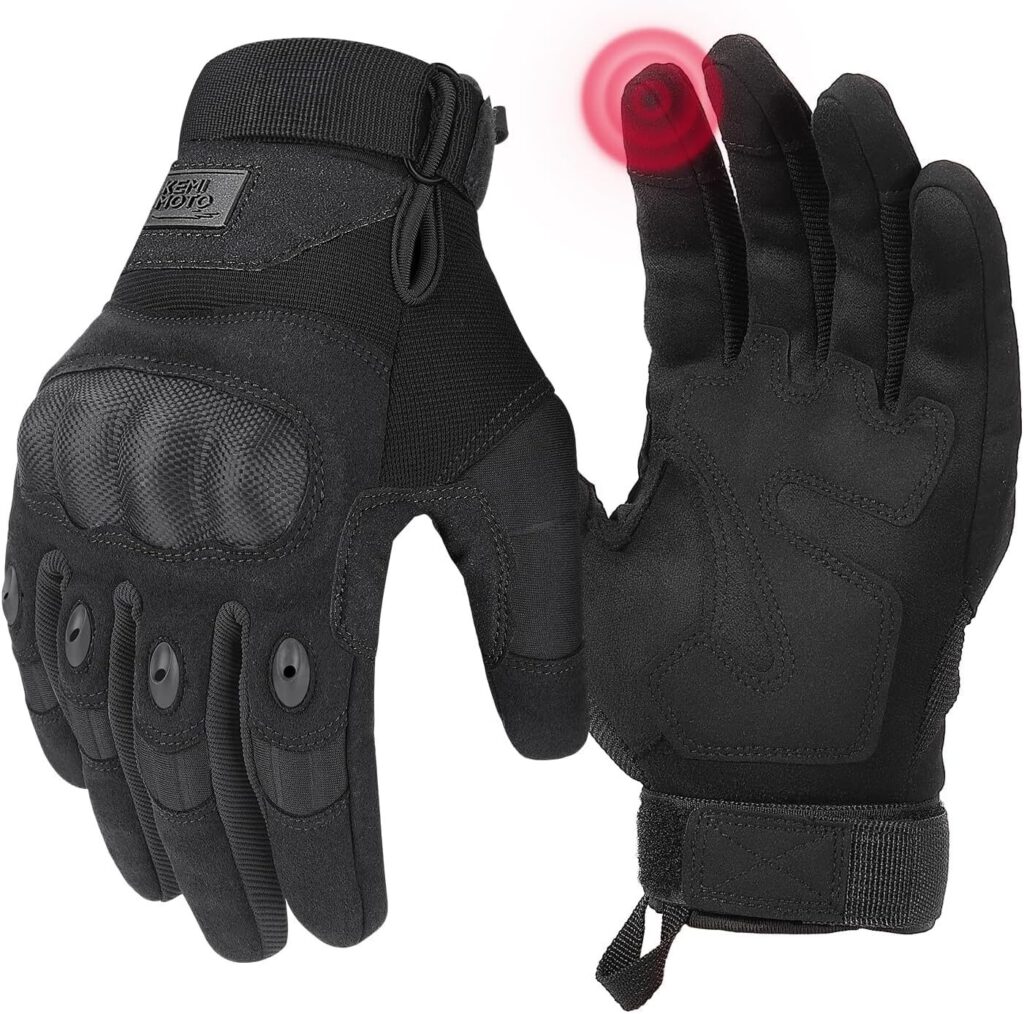
Touch-screen compatible and electronically enhanced gloves often reduce the tactile feedback essential for safe motorcycle operation.
Modern gloves loaded with touch-screen compatibility, heating elements, and electronic features promise enhanced functionality but frequently compromise the fundamental purpose of protective handwear. These high-tech gloves reduce tactile feedback from controls, add bulk that affects grip, and create pressure points that cause discomfort during long rides.
The best motorcycle gloves balance protection, comfort, and control feedback without electronic complications. Simple, well-constructed gloves with proper armor and quality materials outperform gadget-laden alternatives while costing significantly less and requiring no maintenance or power management.