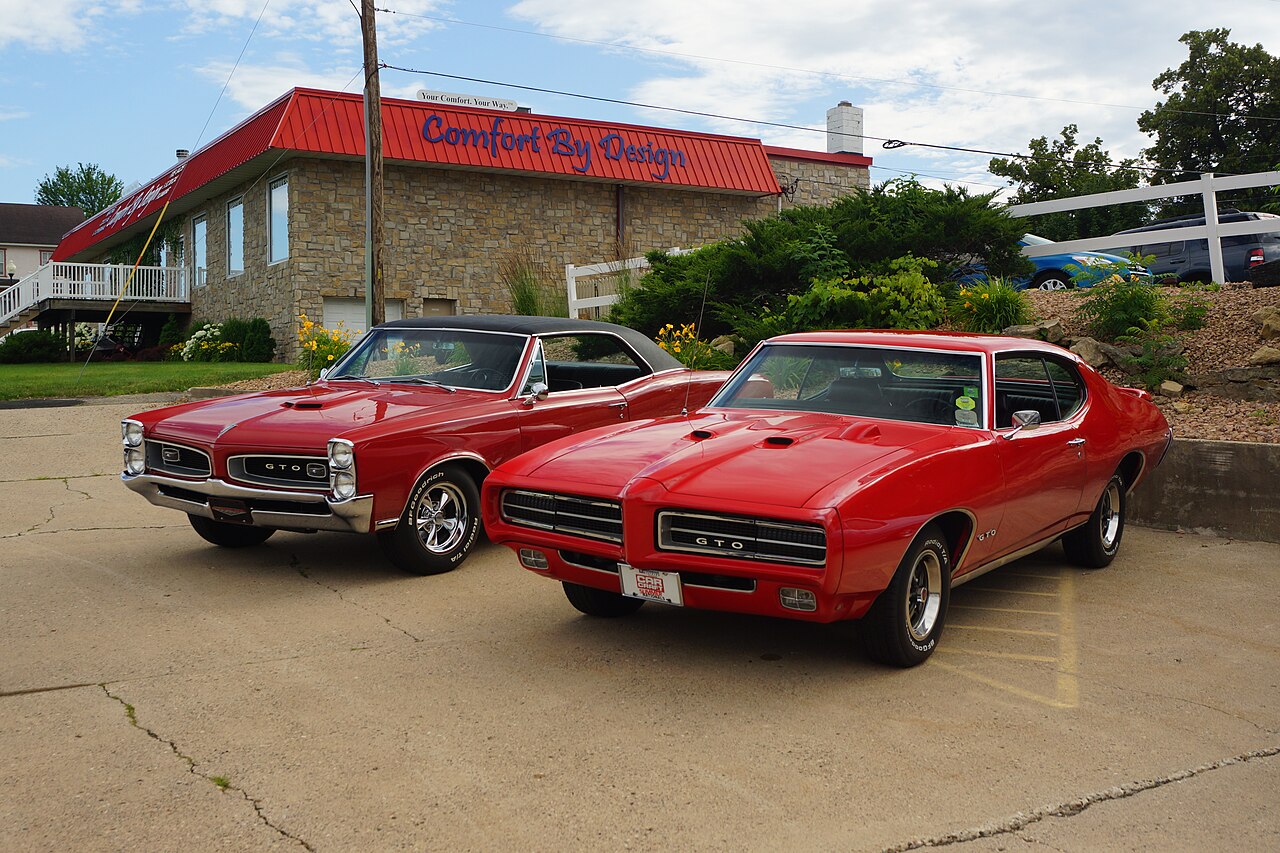
Minnesota just proposed restricting classic cars to weekend daylight hours only. Under House File 3865, your collector vehicle becomes a show pony by statute—no evening cruise nights, no weekday pleasure drives, no spontaneous road trips to nowhere. It’s the automotive equivalent of putting your guitar in a glass case and calling it music.
The Regulatory Stranglehold Tightens
Modern enforcement turns every modification into a legal minefield.
The Environmental Protection Agency wields tampering penalties of $37,500 per engine against anyone removing emissions equipment—even for track-only builds. When SEMA’s VP of Government Affairs called this a “meteor-sized dent” in the $36 billion aftermarket industry, he wasn’t being dramatic. Small shops now refuse certain modifications rather than risk business-ending fines. Your right to wrench has become their liability nightmare.
Software Prisons Replace Carburetors
Encrypted ECUs transform horsepower into a subscription service.
Modern muscle cars ship with locked ECUs that void warranties the moment you flash custom tuning software. Ford, GM, and Stellantis have essentially turned your engine’s potential into their intellectual property. You own the hardware but lease access to its capabilities—like owning a guitar that only plays approved songs.
The old days of swapping jets and timing curves have been replaced by breaking encryption just to change your air-fuel ratio. Tamper flags log every unauthorized modification, creating permanent records that dealers use to deny warranty claims.
The Emissions Trap Closes on Classics
California’s arbitrary cutoffs price out working-class enthusiasts.
California exempts cars built before 1976 from emissions testing while trapping everything newer in expensive compliance hell. Late-70s and 80s muscle cars—tomorrow’s classics—face thousands in retrofitting costs or repeated test failures. “Leno’s Law” supporters argue these rules are “driving collectors out of state” entirely. The pattern is clear: make modification so costly and complex that only wealthy trailer queens survive.
Fighting Back Against Automotive DRM
Industry groups push counter-legislation to preserve ownership rights.
SEMA’s “Hot Rod” model bills create specific categories for modified vehicles, exempting them from modern emissions requirements and recognizing them by their appearance year, not build date. These laws explicitly acknowledge what bureaucrats won’t: classic cars driven sparingly pose no environmental threat worth destroying an entire culture. The fight isn’t really about exhaust pipes or ECU encryption—it’s about whether you truly own the things you buy, or just rent them from corporations and regulators who control every modifications through law and code.