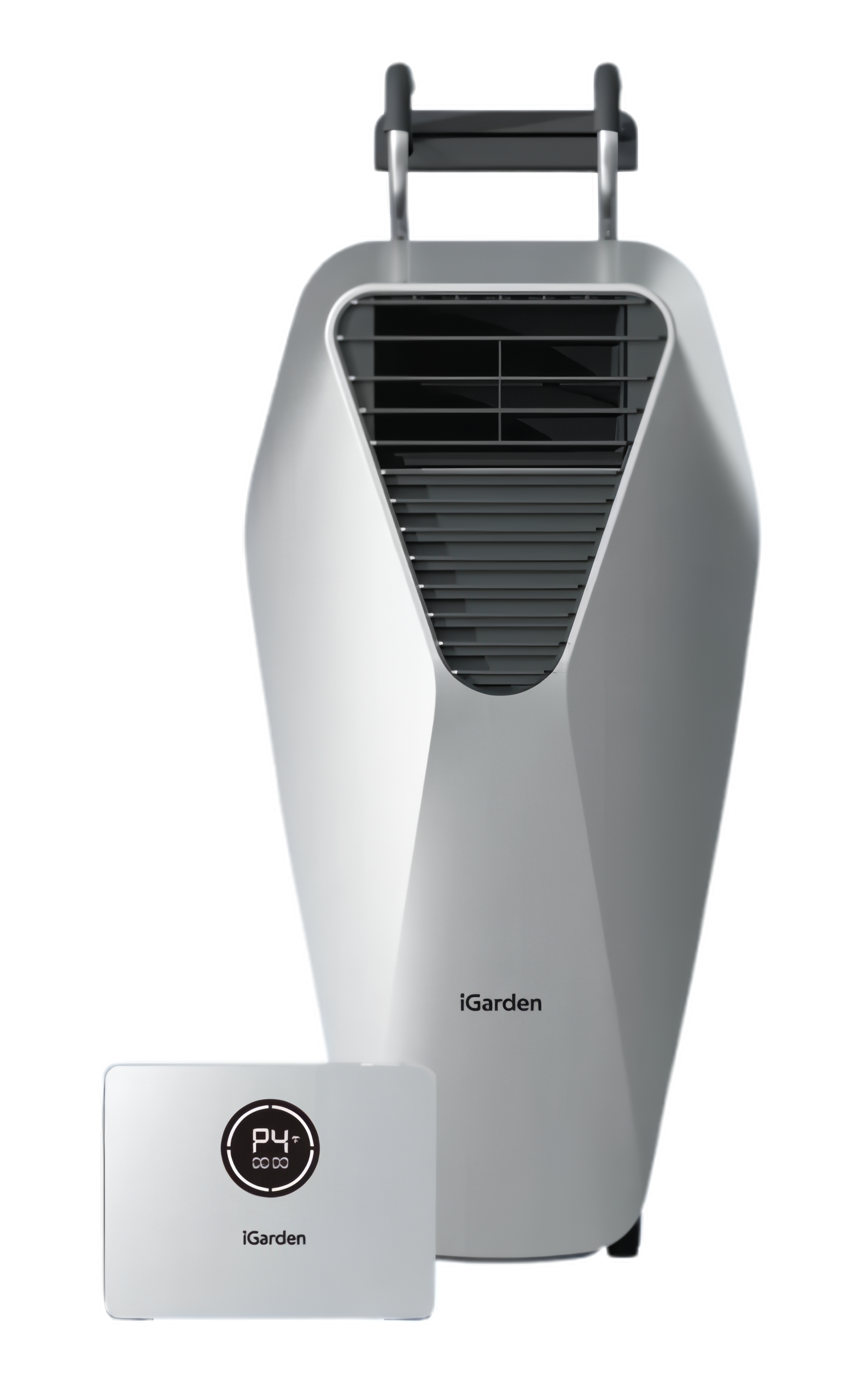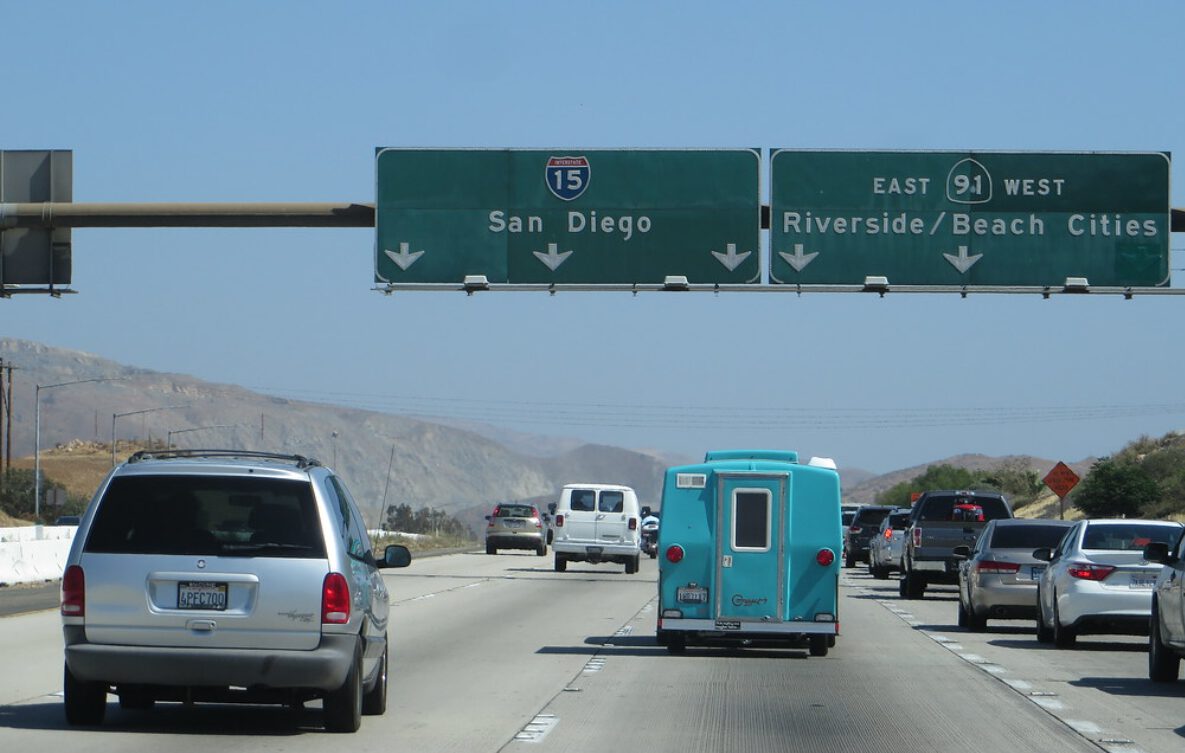
Twenty-five thousand people monthly thought they were gaming the system on the 91 Express Lanes. Turns out, the house always wins — especially when it’s equipped with computer vision that can photograph your car’s interior through tinted windows. Since August 2025, Riverside County’s new Occupancy Detection System has been quietly documenting every solo driver pretending their gym bag is a passenger, recovering over $1 million in unpaid tolls and fees.
The technology reads like something from a dystopian Netflix series, except it’s scanning your morning commute. Cameras positioned at the end of the expressway capture multiple photographs of vehicle interiors. AI software flags potential violations before human reviewers at the Riverside County Transportation Commission confirm whether you actually have three people aboard. Get caught? You’ll pay the full toll plus a $5 “correction fee” — their polite term for getting busted.
The Mannequin Detectives Are Watching
This isn’t your typical red-light camera — the system spots fake passengers with unsettling accuracy.
RCTC spokesperson Ariel Alcon reports catching drivers using “hats on headrests, putting items in baby car seats and even using mannequins” to fool the old enforcement system. The ODS isn’t impressed by your creativity. The technology distinguishes between actual humans and decoy passengers, even identifying properly installed car seats as legitimate occupants.
Consider the scale: 400,000 cars use the 91 daily, with more than 100,000 breaking HOV rules. That’s roughly one in four drivers thinking they’re smarter than the system. Spoiler alert: they’re not.
Privacy Theater in the Digital Age
Officials promise face-blurring and privacy compliance, but your driving habits are now permanent data.
The system protects privacy by blurring faces and storing images according to state and federal privacy laws. If you dispute a violation, you can call customer service at (800) 600-9191 or file online appeals through your 91 Express Lanes account. According to RCTC staff, most people don’t bother challenging charges once they learn about the cameras. That quiet acceptance speaks volumes about our collective resignation to surveillance infrastructure.
The 91’s success virtually guarantees expansion to other California carpool lanes. Your morning commute just became a case study in how automation transforms enforcement from occasional human oversight to constant digital monitoring. Welcome to the future — smile for the camera.