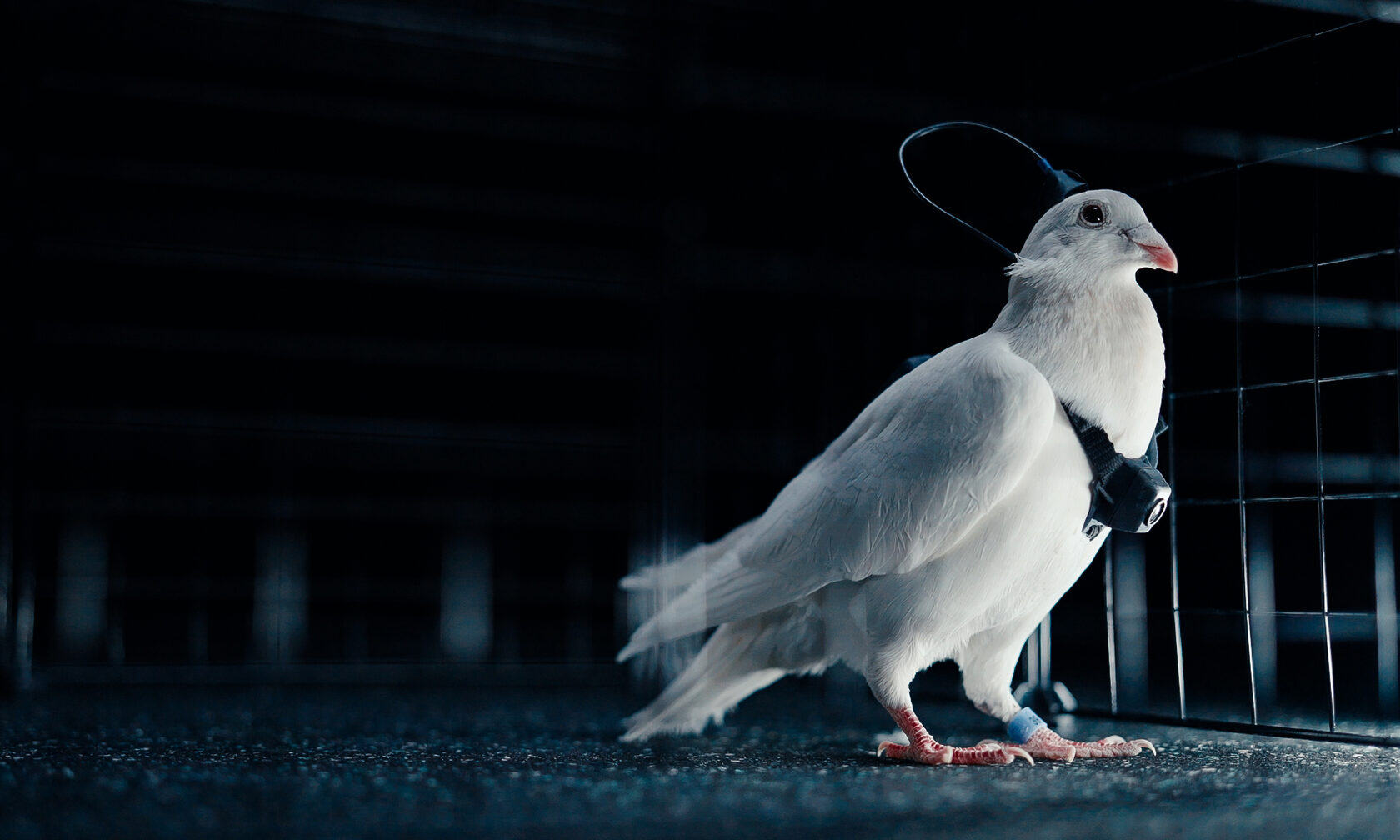
Neural implants controlling flight paths sound like dystopian fiction, but Moscow-based Neiry just made it a reality. Their PJN-1 project embeds electrodes directly into pigeon brains, creating remote-controlled “bio-drones” that outperform mechanical alternatives in nearly every metric. When conventional DJI drones die after 30 minutes, these feathered spies keep flying for 300+ miles without breaking a sweat.
Technology That Puts Silicon Valley To Shame
The system sounds deceptively simple: stereotactic surgery implants neural electrodes while a solar-powered backpack houses GPS controllers, stimulators, and chest-mounted cameras. Mild electrical pulses influence the birds’ natural navigation instincts—no training required.
According to CEO Alexander Panov, “any animal becomes remotely controllable post-operation.” These living drones excel where mechanical ones fail:
- Harsh weather
- Complex terrain
- Restricted airspace that would ground typical quadcopters
These systems provide surveillance capabilities that adapt and think, powered by millions of years of evolution rather than lithium batteries.
From Moscow Labs To Real-World Missions
Late 2025 test flights across Moscow and Dubai demonstrated the technology’s readiness for civilian deployment. Infrastructure inspection, search-and-rescue operations, and environmental monitoring all benefit from birds that naturally navigate obstacles while carrying sophisticated sensors.
Neiry plans to expand beyond pigeons to ravens for heavier payloads and albatrosses for oceanic surveillance. The £10 million investment from Russia’s National Technology Initiative suggests serious commercial potential, despite the Kremlin connections raising questions about true intentions.
Ethics Experts Sound The Alarm
“Any time we’re using neural implants to control any species, it feels icky,” warns Duke bioethicist Nita Farahany, noting how the technology “subjugates animals as products.” Pentagon adviser James Giordano raises darker concerns about disease vectors and military weaponization potential.
Russia’s history with militarized animals—including combat dolphins—makes civilian-only promises ring hollow. Neiry insists their in-house bioethicists ensure ethical standards, but independent verification remains conspicuously absent. The birth of this technology could revolutionize surveillance or create new forms of biological warfare.
The line between innovation and exploitation has never felt thinner. As bio-hybrid systems enter mainstream tech, privacy implications just gained wings.