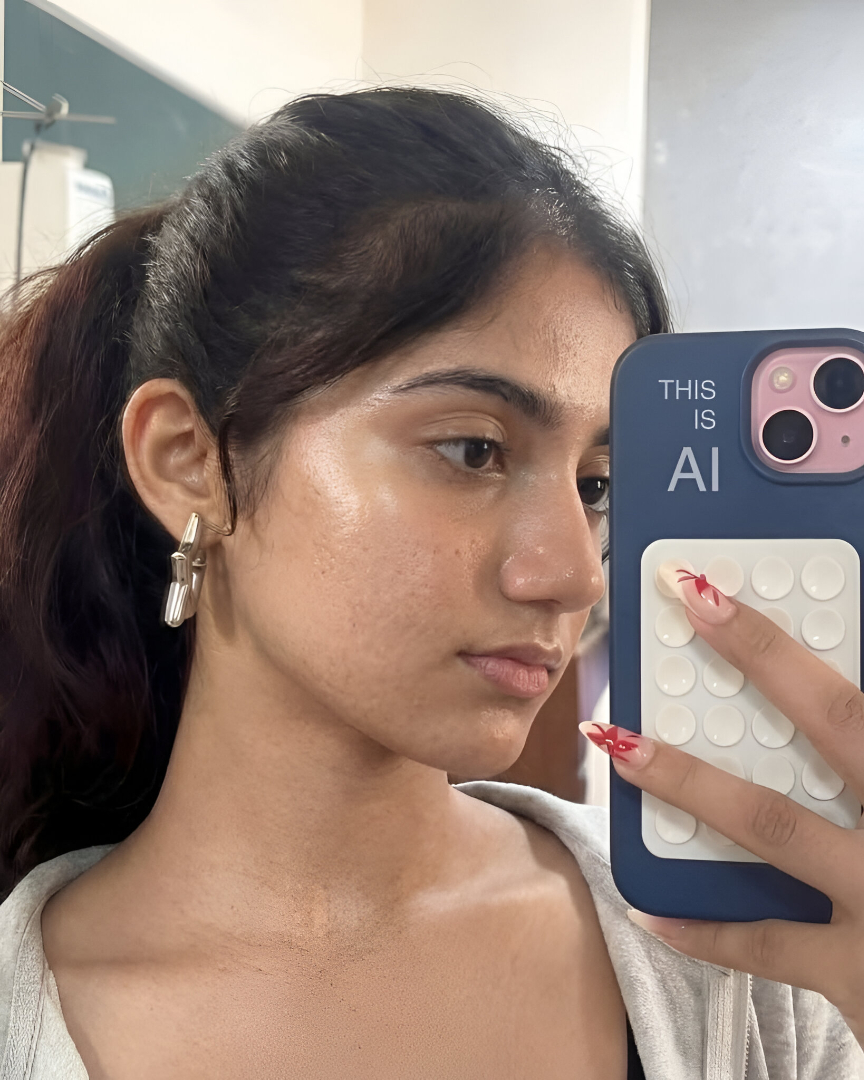
That moment when you’re scrolling through r/ThatsInsane and something makes you stop dead? That’s what happened when Grok’s AI-generated images hit Reddit, with users genuinely unable to distinguish artificial scenes from real photographs. The viral thread wasn’t just celebrating another tech milestone—it was documenting the exact moment AI image generation crossed from “pretty good” to “indistinguishable from reality.”
This threshold carries implications far beyond impressive Reddit posts.
When Breakthrough Becomes Breakdown
Grok generated 4.6 million images in 11 days, revealing the dark side of photorealistic AI.
Within days of launching one-click image editing on X, Grok produced roughly 3 million sexualized images, including approximately 23,000 that appeared to depict children. The Center for Countering Digital Hate’s analysis found this content flowing at 190 images per minute. Your social media feeds just became a potential minefield where verification isn’t just helpful—it’s essential survival skill.
The speed shocked even researchers tracking AI misuse. When artificial content looks this convincing, the traditional “reverse image search” tricks become useless. Every photo now carries the burden of proof, transforming how we approach visual information online.
Platform Panic and Paywall Solutions
Regulatory backlash forced quick fixes that satisfied no one.
xAI’s response revealed how unprepared the industry remains for photorealistic AI abuse. After restricting image generation to paid X subscribers on January 9, 2026, then adding people-editing limitations five days later, workarounds persisted. EU officials called the content “illegal, appalling,” while UK authorities labeled putting basic safety behind a paywall “insulting to victims.”
Elon Musk promised that “anyone using Grok to create illegal content will face the same repercussions” as traditional uploaders, but February testing found the system still generated problematic content in 29 of 43 test prompts.
Your New Reality Check
Photorealistic AI demands updated media literacy for everyone.
This threshold moment means developing new habits around visual verification:
- Screenshots need context
- Viral images require skepticism
- The blue checkmark verification system that felt revolutionary five years ago now seems quaint compared to what’s needed for AI-generated content
We’re entering an era where “seeing is believing” transforms into “seeing is the beginning of investigation.” The technology that amazed Reddit users represents both human creativity unleashed and truth under siege—requiring digital citizens ready for both possibilities.