Chinese companies control 87% of the cellular modules that make your car “smart”—and automakers have two years to rip out every line of code. The Commerce Department’s new rule, finalized January 16, bans Chinese software from 2027 model year vehicles and hardware by 2030. Think of it like forcing Netflix to rebuild its entire streaming platform while keeping shows running.
Hilary Cain from the Alliance for Automotive Innovation calls it “one of the most consequential and complex auto regulations in decades.” Your future Toyota or Tesla just became a national security issue.
What Actually Gets Banned
Everything from Bluetooth to backup cameras falls under the new restrictions.
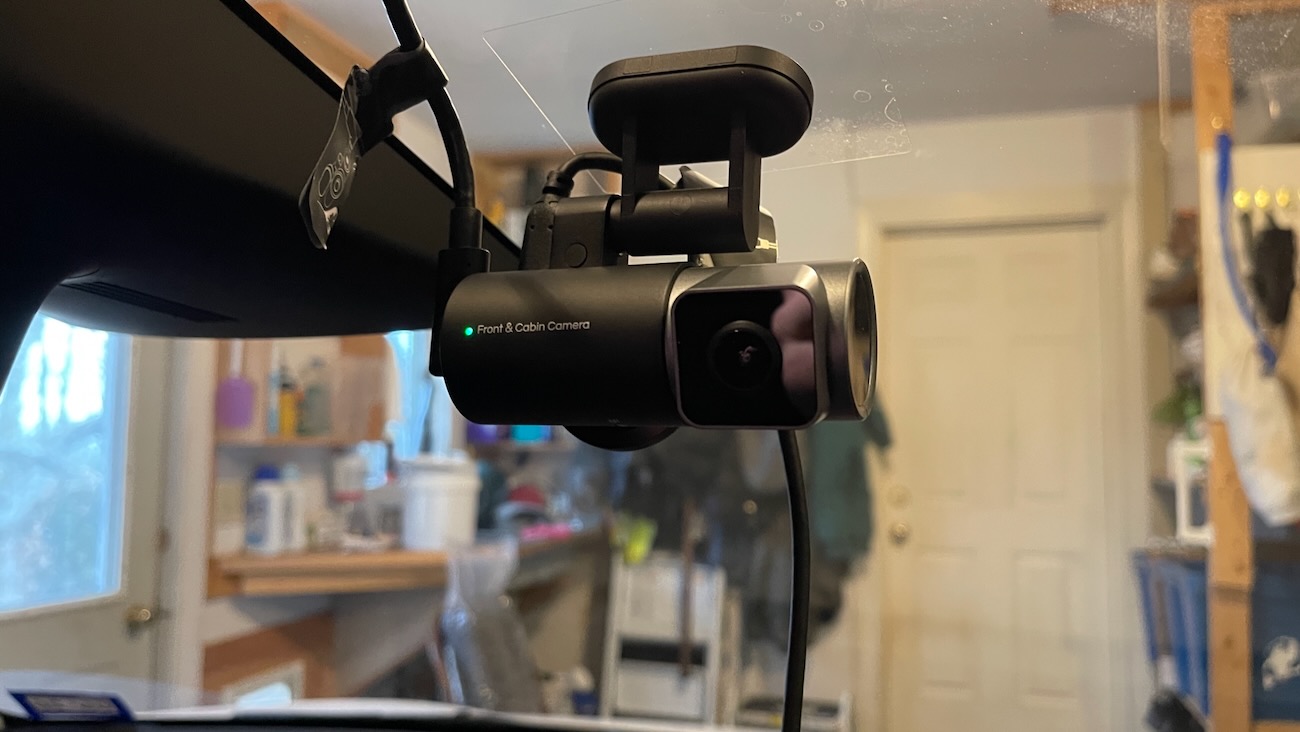
The rule targets vehicle connectivity systems—cellular, Bluetooth, satellite communications, and automated driving features. Basically, anything that connects your car to the internet, processes location data, or helps with parking assistance.
Starting March 17, automakers must prove their software chains are Chinese-free through annual compliance declarations. Even vehicles assembled in America get banned if Chinese companies control the manufacturing. The goal? Prevent potential spying through your car’s microphones, cameras, and GPS tracking.
The Great Code Hunt Begins
Automakers face massive audits to trace every line of software back to its origin.
Here’s where it gets messy. Decades of integrated Chinese code sits buried in proprietary systems that suppliers guard like state secrets. Companies like Eagle Wireless are buying up Chinese code bases to create domestic alternatives, but they’re charging roughly 10% more.
Some automakers are finding workarounds—Tesla is localizing US-bound parts while Pirelli negotiates reducing its Chinese ownership stake. It’s like trying to remove flour from a baked cake while keeping it edible.
Your Connected Car Gets Pricier
Expect higher costs and potential delays as the industry scrambles for alternatives.
Those 10% cost increases for domestic modules will likely hit your wallet. Connected features you expect—seamless smartphone integration, over-the-air updates, advanced driver assistance—might arrive later or cost more as automakers rebuild their supply chains.
The silver lining? Your data stays more secure, and American tech companies get a massive opportunity to compete. Just don’t expect your next car purchase to be cheaper because of it.