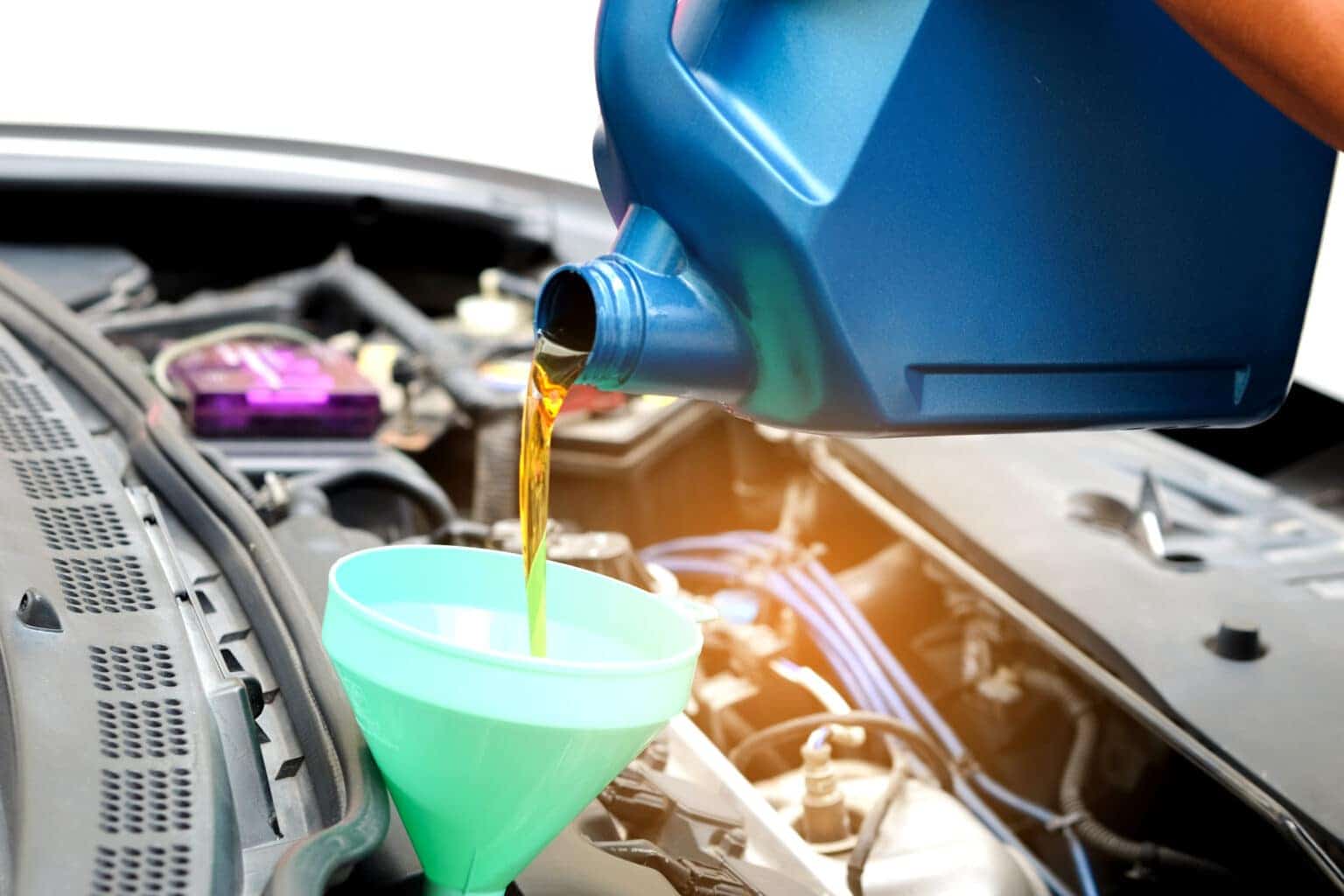
Your grandfather’s oil change wisdom might be costing you time and money. That sacred 3,000-mile interval stamped into automotive culture belongs in the same museum as manual transmissions and cassette players. Modern engines and oils have evolved past this outdated ritual, yet quick-lube shops keep pushing the old schedule like it’s gospel.
Modern Engines Play by Different Rules
Manufacturer recommendations now span 5,000 to 10,000 miles for most vehicles, depending on oil type and driving conditions. Engineering advances in engine tolerances, filtration systems, and oil formulations have extended these intervals dramatically.
Your owner’s manual contains the actual science-backed schedule, not the sticker slapped on your windshield by the guy trying to see you again in three months. Learning DIY car fixes can help you maintain your vehicle properly.
Synthetic Oil Delivers Measurable Performance
AAA laboratory testing revealed synthetic oil’s significant advantages over conventional formulations. Synthetic oils resist breakdown at high temperatures, maintain viscosity longer, and provide superior engine protection across multiple performance metrics including thermal stability and oxidation resistance.
While synthetic costs roughly double the price of conventional oil, the extended change intervals and enhanced protection often offset the initial expense for most drivers. Understanding car cost factors helps make informed decisions.
Your Dashboard Actually Knows Best
Modern oil life monitoring systems analyze multiple factors including engine temperature, RPM patterns, trip length, and ambient conditions. These algorithms prove more accurate than rigid mileage schedules because they account for your specific driving habits.
Highway commuters can safely extend intervals while stop-and-go city driving triggers earlier changes. Trust the percentage readout over the calendar hanging in your garage.
Neglect Still Destroys Engines
Oil neglect remains one of the fastest paths to catastrophic engine failure. Old oil transforms into thick sludge that blocks passages, starving components of lubrication. While modern intervals are longer, exceeding them by significant margins still guarantees expensive repairs.
The key is following your specific vehicle’s recommended schedule rather than outdated universal rules.
Ditch the 3,000-mile anxiety and embrace evidence-based maintenance. Your engine will thank you, and your wallet will too.