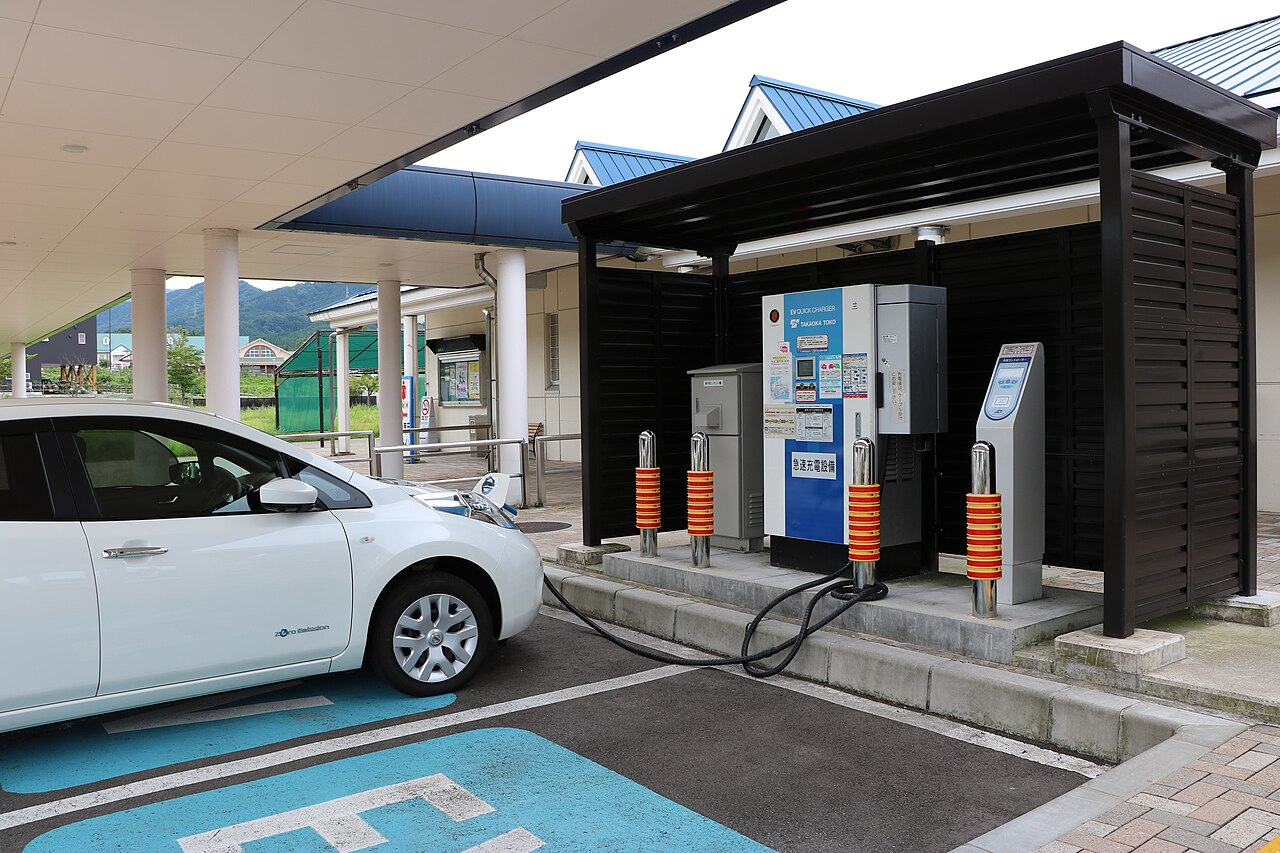
That lightning-quick 10-minute top-up at the ultra-fast charger feels like the future—until you realize it’s quietly draining your bank account. New research from telematics firm Geotab reveals that routine use of high-power charging stations nearly doubles your battery’s aging rate, turning what should be a decade-long investment into an unexpectedly expensive maintenance cycle.
The 12% Tipping Point Changes Everything
Frequent ultra-fast charging sessions create a dramatic degradation threshold that most EV owners never see coming.
Geotab’s 2026 study, analyzing over 22,700 EVs across 21 models, found that vehicles using ultra-fast charging (above 100 kW) for more than 12% of their charging sessions degrade at roughly 3.0% annually. Compare that to the 1.5% rate for EVs primarily using lower-power charging, and you’re looking at nearly double the battery wear for the same miles driven.
Eight Years Later, Your Wallet Feels the Difference
The convenience premium compounds over time, potentially costing thousands in premature battery replacement.
With average degradation now hitting 2.3% annually—up from 1.8% in 2024—most EVs retain about 81.6% of their original capacity after eight years. But here’s the kicker: that percentage drops significantly if you’re a frequent fast-charger. Like binge-watching Netflix versus savoring episodes weekly, the instant gratification approach leaves you with less to enjoy long-term.
Climate Makes the Problem Worse
Hot weather and cold-weather charging without preconditioning accelerate the degradation process even further.
Hot climates above 77°F add another 0.4% annual degradation hit, while cold-weather fast charging without proper battery preconditioning can damage cells outright. These environmental factors stack on top of charging behavior, making smart habits even more critical for battery longevity.
Smart Charging Saves Serious Money
Understanding these patterns lets EV owners optimize for longevity without sacrificing practicality.
“Charging behavior now plays a much bigger role… smart charging strategies” matter more than ever, according to Charlotte Argue, Geotab’s Senior Manager of Sustainable Mobility. Translation: save ultra-fast charging for genuine emergencies and long trips, not your daily routine. Your future self—and your wallet—will thank you for the patience.