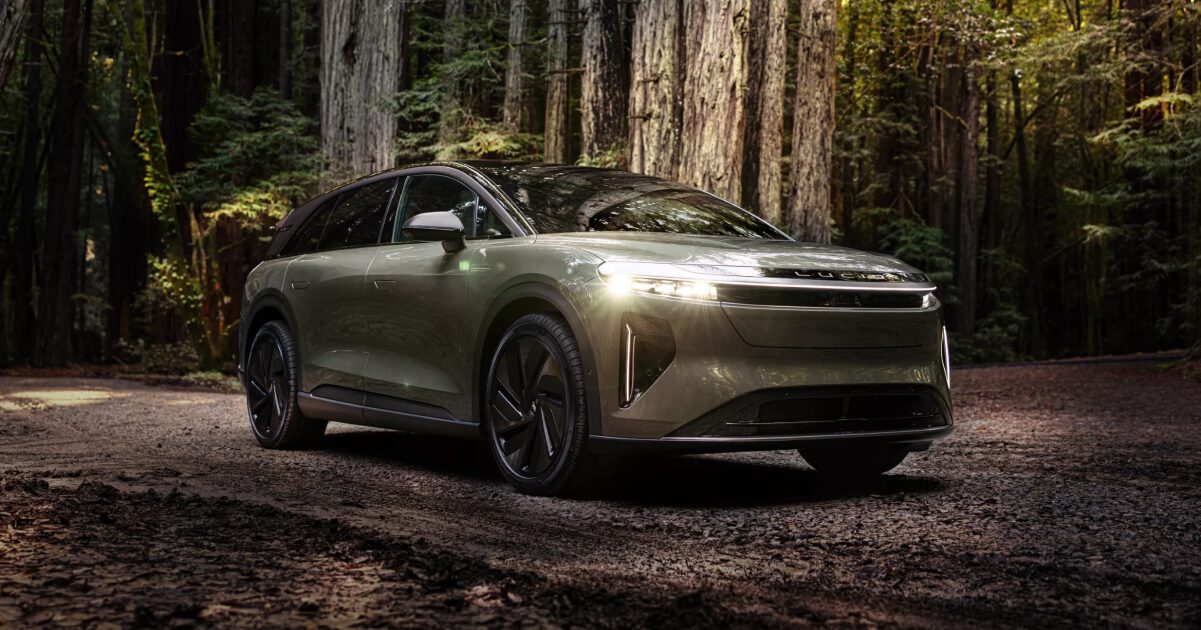
Dropping $80,000 on a luxury electric vehicle should guarantee bulletproof safety engineering—until supplier shortcuts expose dangerous flaws. Lucid Motors is recalling over 4,000 Gravity SUVs for improperly welded second-row seat belt anchors that could fail during crashes. The defect affects nearly every 2025-2026 model year vehicle built since launch, representing a massive chunk of the startup’s limited production run.
Trust in premium EV quality just took a hit. This isn’t some minor software glitch—we’re talking about fundamental safety systems that protect families in the back seats.
When Suppliers Go Rogue
Seat manufacturer Camaco Automotive altered its welding process without Lucid’s approval or knowledge.
The culprit wasn’t Lucid’s engineering team but supplier Camaco Automotive, which changed its manufacturing process without authorization. Think of it like a contractor switching to cheaper materials mid-project without mentioning it. Camaco has since reverted to the original design, sparing vehicles built after February 14, 2026.
Lucid will inspect affected vehicles for free, either installing new brackets or replacing entire seats depending on weld quality. Owner notifications start May 22, 2026, under recall number SR-26-04-00. No injuries have been reported, but the potential for seat belt failure during collisions makes this recall serious business.
Pattern Recognition Problem
This marks the second physical recall for Gravity, following previous airbag issues and software patches.
Gravity ownership now includes multiple trips to service centers. This recall follows a late-2025 airbag issue and various software fixes—not exactly the seamless luxury experience buyers expect from an $80,000 vehicle. The pattern reveals growing pains that luxury car buyers typically avoid by choosing established manufacturers.
Despite burning cash and facing persistent quality challenges, Lucid stock has shown surprising resilience. Saudi Arabia’s Public Investment Fund backing provides financial stability, but it can’t manufacture quality control expertise overnight.
Reality Check for Luxury EV Buyers
Startup quality issues collide with premium pricing expectations in the evolving electric vehicle landscape.
Luxury EV shopping just got more complicated. While Tesla faced similar growing pains years ago, today’s buyers expect mature manufacturing processes—especially at Gravity pricing levels. The recall highlights how even well-funded startups struggle with supplier management and quality control systems that traditional automakers spent decades perfecting.
If you’re considering a Gravity, factor in potential service visits and the reality that early adopters are essentially beta-testing a luxury startup’s manufacturing process. That Saudi backing provides longevity confidence, but family trips shouldn’t double as product development research.