While Trump investigations typically split along party lines, the $500 million UAE investment in World Liberty Financial has drawn criticism from unexpected quarters—including conservative National Review and bipartisan House members. The ethics controversy threatens passage of digital asset market structure bills that the crypto industry views as essential for regulatory legitimacy, even as favorable banking developments advance simultaneously.
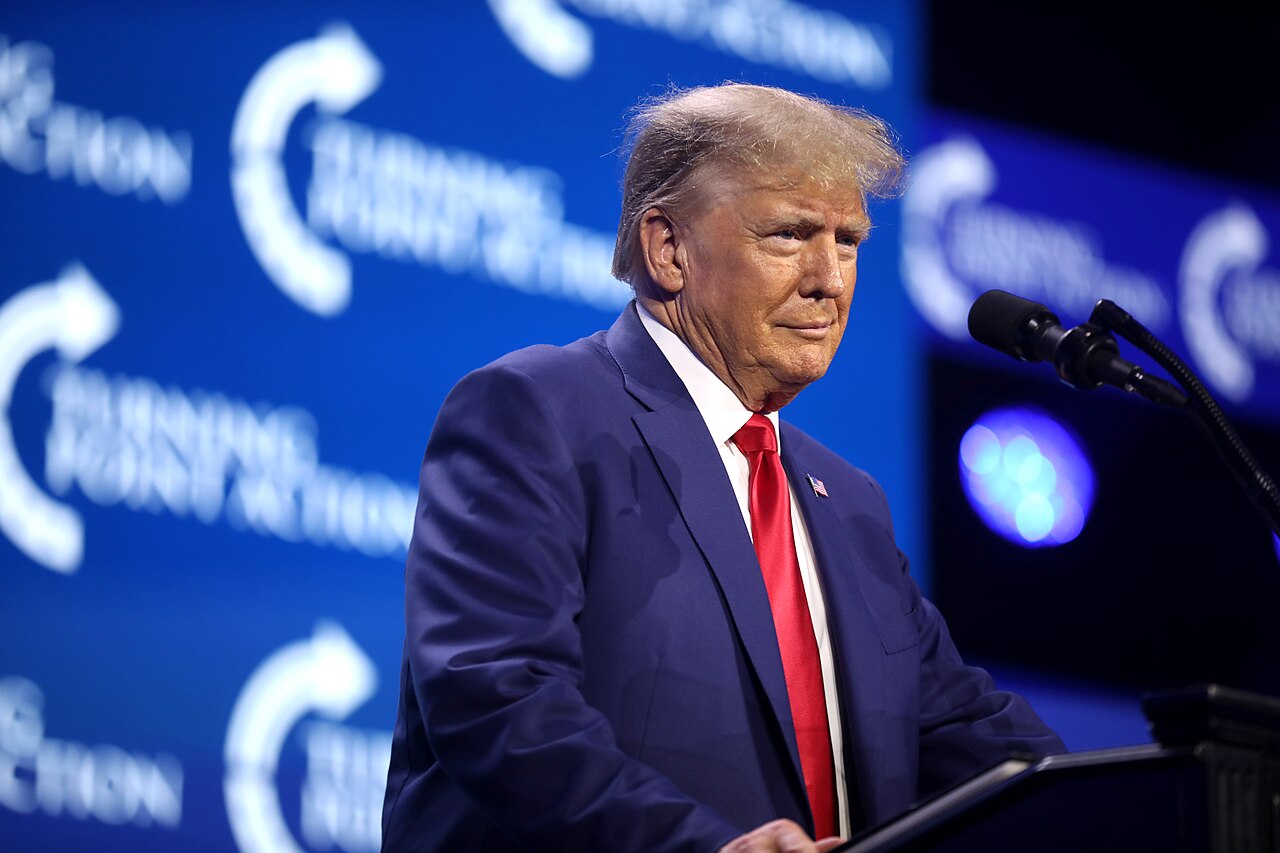
World Liberty Financial sold a 49% stake to UAE government official Sheikh Tahnoon bin Zayed Al Nahyan for $500 million days before Trump’s January 2026 inauguration. According to the Wall Street Journal reporting, $187 million of the initial $250 million payment flowed to Trump-controlled entities, with timing that coincided with discussions about relaxing U.S. microchip export restrictions to the UAE—restrictions originally imposed due to concerns about semiconductor diversions to China.
Bipartisan Opposition Emerges
Conservative outlets and Republican lawmakers break traditional partisan lines on Trump ethics concerns.
The National Review published “the first in a series of five posts” documenting what it calls “The Sordid Story of Trump, the Trump–Witkoff Family Business, and the UAE,” marking the first significant conservative media criticism of the arrangement. Rep. Ro Khanna launched a formal House investigation requesting WLF provide detailed revenue distribution information by March 1st.
Even crypto influencer Carl Moon told his 1.5 million X followers that Trump has been “bad for crypto,” reflecting broader sector disillusionment. Meanwhile, bipartisan calls emerged for Commerce Secretary Howard Lutnick’s resignation after newly released Jeffrey Epstein documents contradicted Lutnick’s sworn testimony about severing ties with the convicted financier in 2005.
Legislative Stakes Mount
Senate Democrats demand ethics guardrails as prerequisite for crypto market structure bills.
Passage of the CLARITY Act and Digital Commodity Intermediaries Act requires 60 Senate votes, forcing Republicans to court at least seven Democrats. Sen. Cory Booker stated the UAE deal “has created more of a sense of moral urgency for us to have ethics as part of market structure.”
Democrats have made ethics language non-negotiable after months of fruitless negotiations, while the White House faces a month-end deadline to resolve separate stablecoin “yield versus rewards” disputes that have stalled Banking Committee deliberations.
Regulatory Wins Continue Despite Controversy
Banking approvals and Fed payment access advance as political scrutiny intensifies.
Erebor Bank received full national bank charter approval on February 7-8, opening with $635 million in capital and becoming the first fully-approved crypto-focused national bank. The CFTC clarified that national trust banks may issue payment stablecoins, while Federal Reserve Governor Chris Waller confirmed progress on “skinny” master accounts providing crypto firms access to Fed payment rails before year-end 2026.
You’re witnessing crypto’s political identity crisis play out in real time—like watching a tech startup pitch investors while the CEO gets hauled before Congress. Token prices for WLF’s governance token and Trump’s $TRUMP memecoin have cratered from issue prices, while institutional players funding Erebor Bank signal continued confidence in regulatory infrastructure development despite the ethics turbulence.