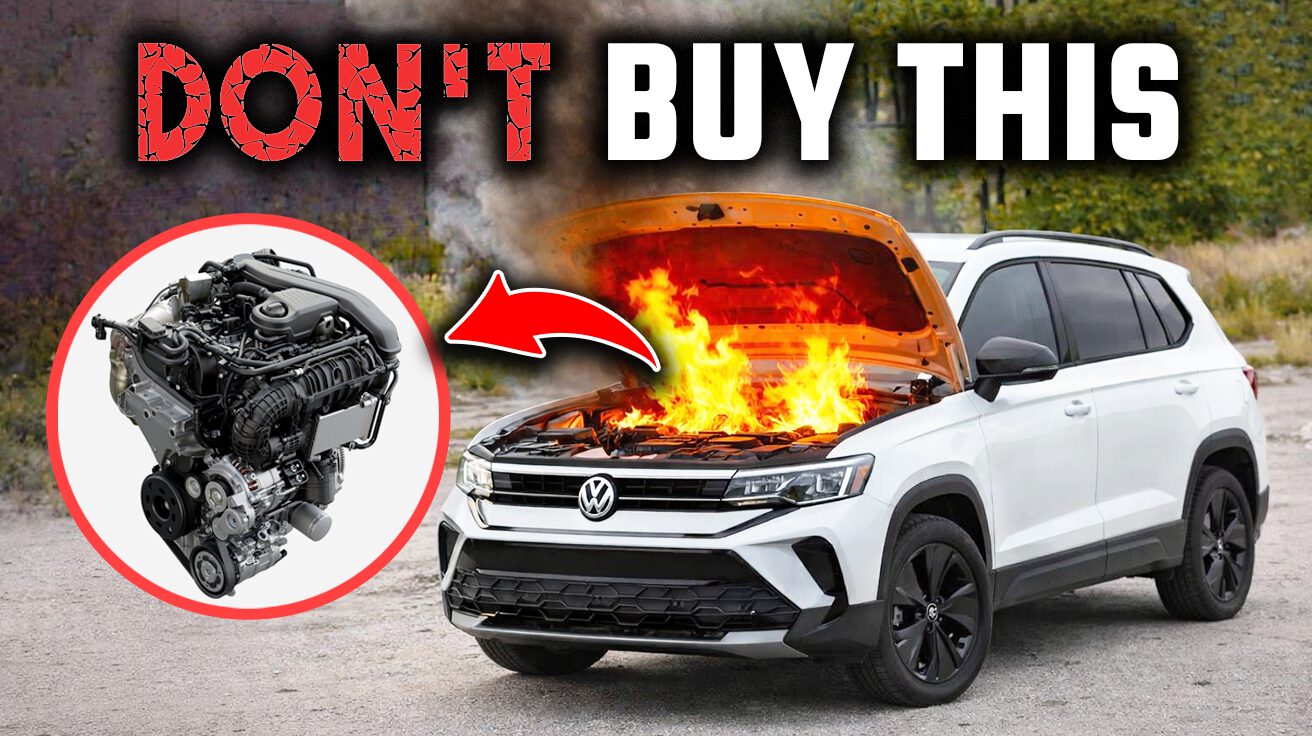
The automotive world produces more than shiny paint jobs and roaring engines—sometimes it delivers sputtering, stalling, and soul-crushing repair bills. After sifting through mountains of owner complaints and reliability reports, a rogues’ gallery emerges of engines that make even seasoned mechanics weep. These aren’t just lemons; they’re entire orchards of disappointment disguised as horsepower. This isn’t automotive shaming—it’s arming you with knowledge to dodge a bullet, or in this case, a poorly engineered combustion chamber.
Nobody wants to drop serious cash on a ride, only to discover the engine’s about as reliable as a Tinder date promising “no drama.” Understanding engine reliability is clutch—it’s not just about avoiding breakdowns; it’s about dodging financial teardowns. Consumer Reports data, recall notices, and owner forums are goldmines for intel on which engines are ticking time bombs. These aren’t garden-variety lemons; we’re talking high failure rates, frequent repair visits, and safety concerns that’ll keep you up at night.
5. General Motors 5.3L and 6.2L V8 (L87/L84)
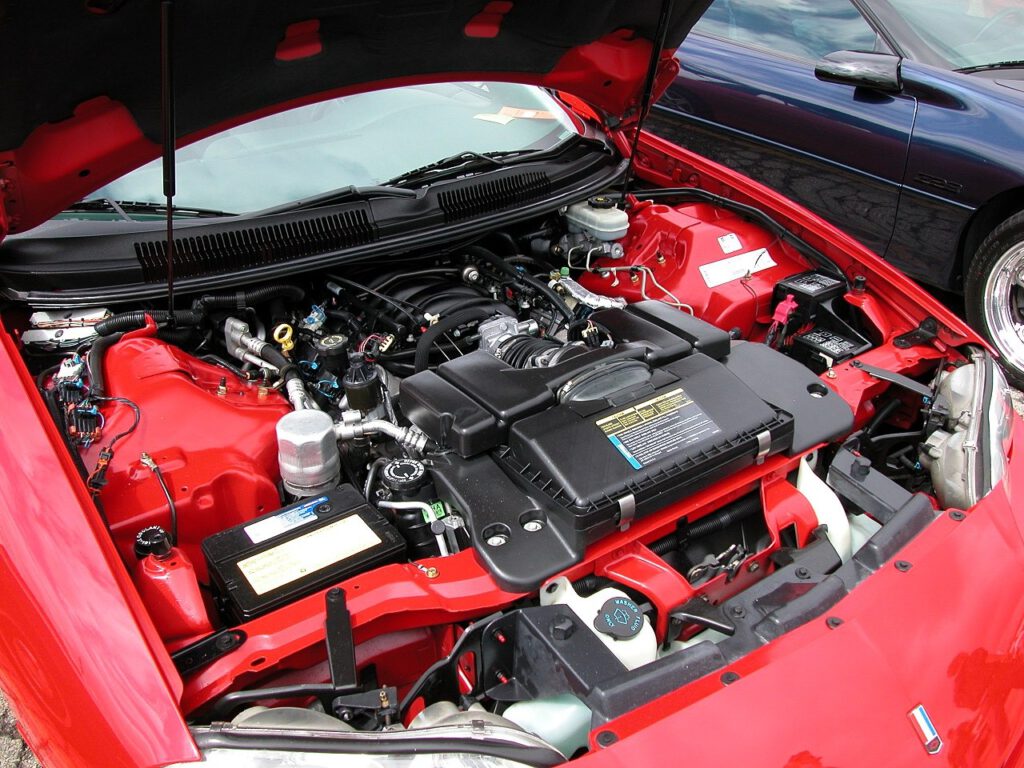
Fleet managers nationwide are questioning GM’s traditionally bulletproof V8 reliability.
Reports suggest these engines face significant failure rates, leaving fleet managers of Chevy trucks and SUVs asking: what gives? These traditionally reliable engines now face a rash of lifter issues. That cylinder deactivation feature—meant to save gas money—can lead to carbon fouling, like inviting a chimney sweep into your engine.
Rocker failures add to the symphony of mechanical woes. For fleet operators, that means unexpected downtime and repair costs rivaling a weekend in Vegas. The financial implications for both GM and customers make reliability a bigger concern than entertainment at a car convention.
4. Ford EcoBoost Engine Family (2.0L, 2.7L, 3.5L V6)
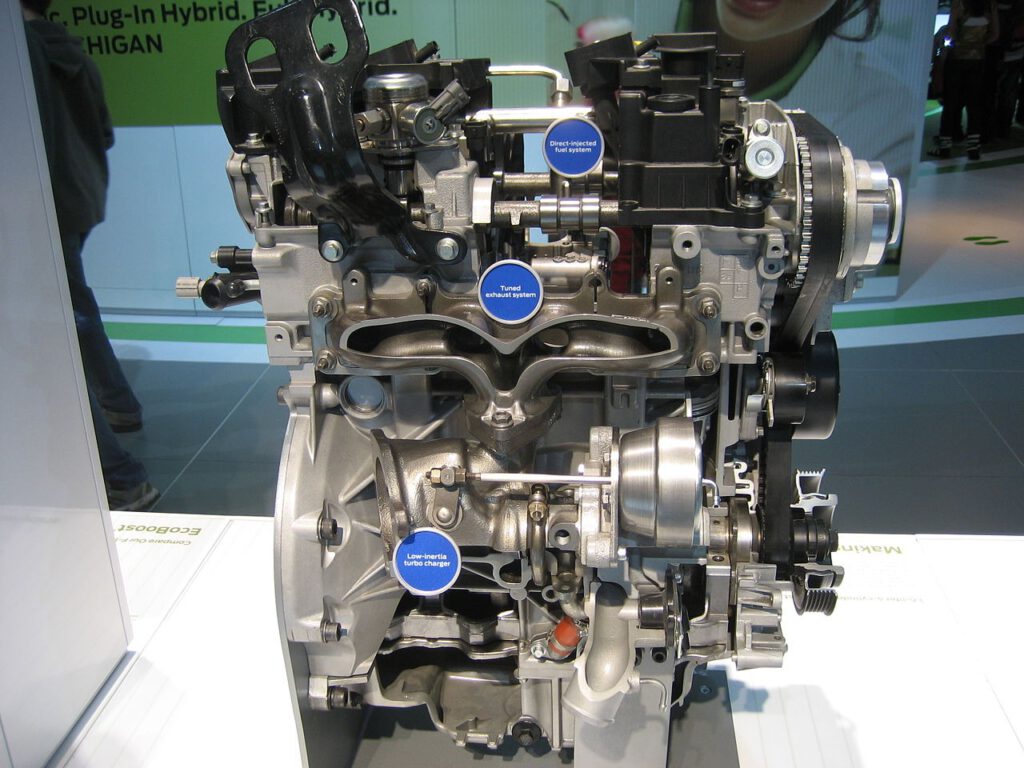
Innovation wrapped in potential disaster defines Ford’s troubled turbo family.
What would you say if you were driving your Ford and your engine suddenly sounded like a coffee grinder full of bolts? That’s the EcoBoost reality—these engines, particularly the 2.0L, 2.7L, and 3.5L V6 variants, are a hot mess of turbocharger failures and wastegate problems.
Independent shops report a parade of Fords limping in with EcoBoost engines wheezing their last breaths, thanks to timing chain issues, oil pump failures, and cam phaser problems. Ford’s “wet belt” design leads to catastrophic failures. Anyone eyeing a Ford with EcoBoost needs to do homework—you don’t want that engine bay turning into a personal money pit.
3. Hyundai/Kia GDI Engines (Theta 2, Nu GDI, Gamma GDI)
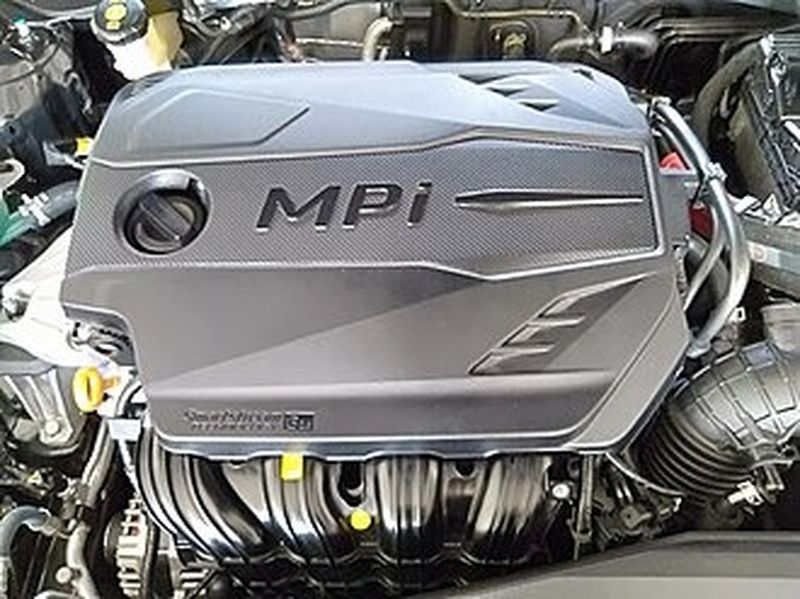
Modern engines that burn oil like vintage muscle cars—without the charm.
Think modern engines don’t burn oil? Hyundai and Kia’s GDI engines (Theta 2, Nu GDI, Gamma GDI) from 2011 onward make owners question that assumption. These power plants require constant oil level monitoring to avoid catastrophe.
These engines are like that friend who always needs financial “help” to get through the month. The chronic oil consumption can lead to serious engine damage without vigilant maintenance. Reports suggest these issues may persist even in 2026 models, so keep those dipsticks handy and oil change receipts organized.
2. Nissan Variable Compression Engines
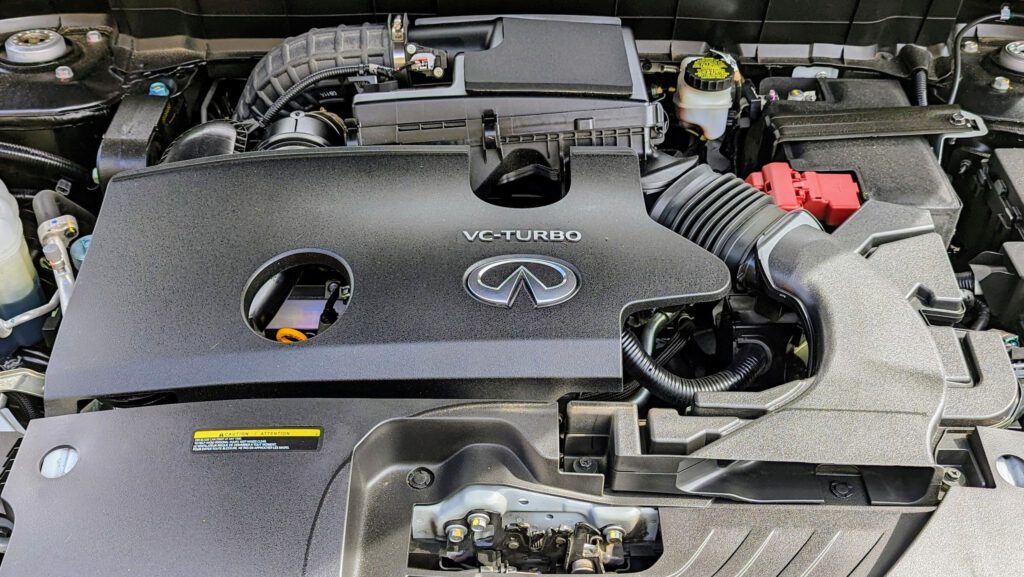
Nissan’s “holy grail” technology delivers more headaches than horsepower.
Nissan promised revolutionary efficiency with its variable compression engines—both fuel-efficient AND powerful. It’s like promising you’re both rich and brilliant; odds are, someone’s getting catfished. The reality? Recalls have affected hundreds of thousands of vehicles, with widespread issues particularly plaguing Rogue models.
Variable compression proved less “transformer” and more “train wreck.” Early adopters got stuck with repair bills while Nissan got stuck with reputation damage. Turns out they tried to reinvent the wheel but ended up with a square one.
1. Volkswagen EA211 1.5L Turbo 4-Cylinder
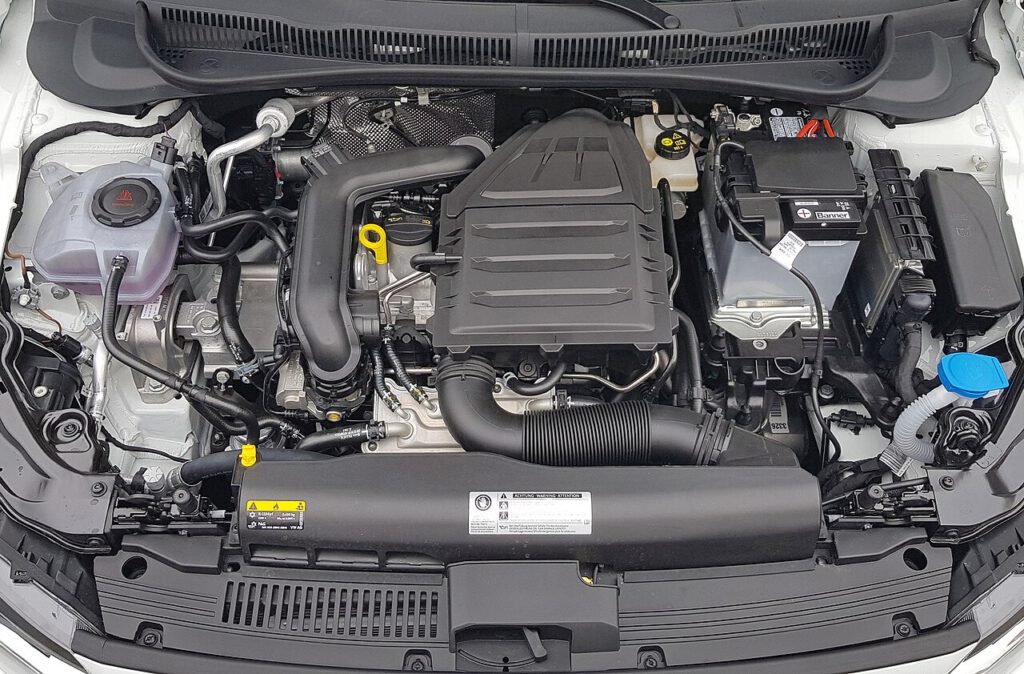
Fifteen years in production, yet this engine still hasn’t learned its lesson.
Some engines refuse to die, but that doesn’t mean they’re good. The Volkswagen EA211 1.5L turbo 4-cylinder, found in models like the Jetta and Taos, has been around for 15 years. You’d think they’d have ironed out the kinks by now, right? It’s like that friend who still can’t parallel park despite having a license for two decades.
This engine faces persistent issues that seem overlooked. The cylinder deactivation problems and carbon fouling haven’t been solved, leaving owners wondering why VW hasn’t pulled the plug and moved on to something better.