Console wars just got more complicated. Your Xbox and PC game libraries might finally live under one roof, thanks to Microsoft’s officially confirmed “Project Helix“—the next-generation Xbox that promises to blur every line between console and computer gaming. New Microsoft Gaming CEO Asha Sharma dropped the bombshell on March 5th, stating that “Project Helix will lead in performance and play your Xbox and PC games.” This isn’t just another console refresh; it’s Microsoft betting that the future belongs to hybrid machines that deliver the simplicity you expect from consoles with the flexibility you crave from PCs.
Leadership Reset Signals Hardware Recommitment
Sharma’s appointment marks a strategic pivot back to dedicated gaming hardware.
Sharma replaced Xbox veteran Phil Spencer last month, bringing a fresh perspective from her Instacart and Meta background. Her “commitment to the return of Xbox” messaging directly counters industry whispers about Microsoft pivoting toward AI-only initiatives. The timing matters—gamers have watched Microsoft’s hardware commitment waver while competitors like Valve pushed into living-room PC territory with Steam Deck success. Sharma reports directly to CEO Satya Nadella, positioning gaming as a core Microsoft priority rather than a side project.
Raw Performance Gets AMD Muscle
Project Helix reportedly features cutting-edge AMD architecture for significant performance gains.
Leaked specifications suggest Project Helix runs AMD’s “Magnus” APU featuring 10 Zen 6 CPU cores and RDNA 5 graphics. That represents a massive generational leap over the current Xbox Series X’s Zen 2/RDNA 2 architecture. Translation: you’ll see dramatically improved ray tracing, faster rendering, and better upscaling technology. These aren’t just numbers—they mean smoother 4K gaming and visual quality that approaches high-end gaming PCs without the complexity of building your own rig.
Market Positioning Against PlayStation and Steam
The hybrid approach targets both console simplicity and PC gaming flexibility.
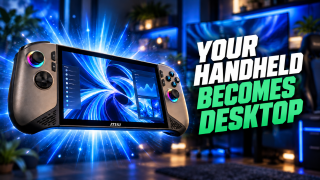
Project Helix positions Microsoft directly against Sony’s PlayStation dominance while answering Valve’s portable PC gaming challenge. Potential OEM variants through partners like Asus could create multiple form factors, from traditional consoles to compact gaming PCs. Your Game Pass subscription suddenly becomes more valuable when it works seamlessly across every device form factor. This strategy could finally deliver what gamers have wanted—access to your entire library regardless of where you bought the games originally.
Sharma promises more details at next week’s Game Developers Conference, with launch speculation pointing toward 2026-2027. The real question isn’t whether Project Helix will deliver performance—it’s whether Microsoft can execute a hybrid vision that satisfies both console simplicity and PC flexibility without alienating either camp. Your gaming setup decisions just got a lot more interesting.