You did everything right. You were in bed by 10 pm, asleep by 10:30, and up at 6:30. Eight hours. And yet you feel like you barely slept at all. You’re not imagining it. A significant portion of adults report regular daytime fatigue despite hitting the recommended sleep target every night. The problem isn’t the number of hours. It’s what’s happening during them.
Sleep quality and sleep quantity are not the same thing. According to the American Heart Association, research now shows that sleep quality may be just as important as duration when it comes to cardiovascular health, cognitive function, and overall well-being. You can log eight hours and still miss the deep, restorative stages that make sleep worth having. Here’s what’s likely getting in the way.
1. You’re Not Getting Enough Deep Sleep
Not all sleep is equal. A full night cycles through light sleep, deep sleep, and REM sleep multiple times. Deep sleep is where physical recovery happens. REM is where memory consolidation and emotional processing occur. In healthy adults, deep sleep accounts for roughly 13 to 23 percent of total sleep time, which works out to about 62 to 110 minutes in an eight-hour night. If you’re being pulled out of deep sleep by noise, light, temperature, or an undiagnosed sleep disorder, you can spend eight hours in bed and still wake up running on empty.
2. Your Sleep Environment Is Working Against You
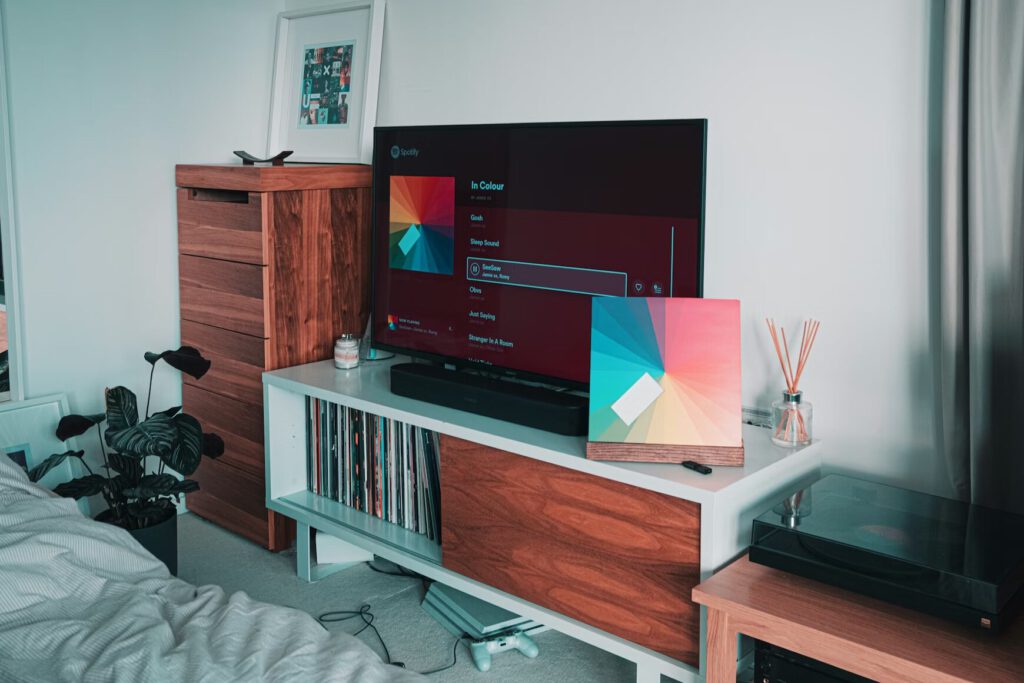
Your bedroom environment has a direct effect on how deep your sleep gets. Noise disrupts sleep continuity even when it doesn’t fully wake you. Light suppresses melatonin. A room that’s too warm pushes your body out of the lower core temperature it needs to stay in deep sleep. The research-backed target is around 65 to 68 degrees Fahrenheit, with complete darkness and minimal ambient noise. Sleep sounds like white noise or brown noise can mask unpredictable environmental sounds that fragment sleep without you realizing it. BetterSleep’s sound library includes a range of options specifically designed to support uninterrupted sleep, from rain and ocean ambience to engineered noise profiles built for sleep onset.
3. You Have an Inconsistent Sleep Schedule
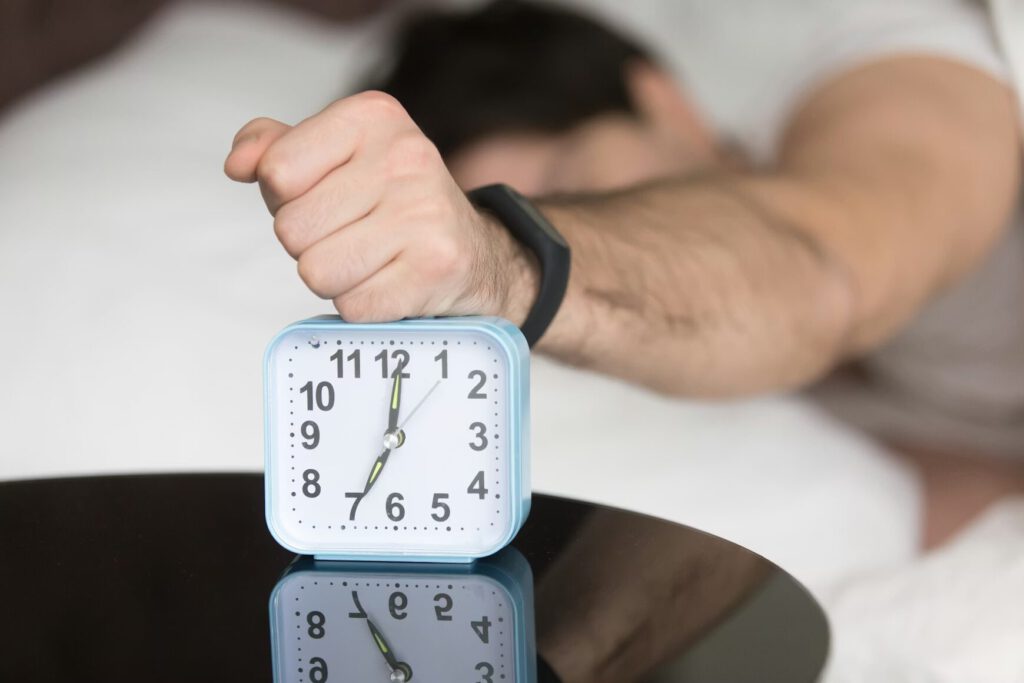
Your body runs on a circadian rhythm, and it doesn’t respond well to moving targets. Sleeping in on weekends, staying up late on weeknights, or shifting your schedule by even an hour or two regularly can create a state of chronic low-level social jet lag. Research published by the American Heart Association found that inconsistent sleep patterns are independently linked to higher rates of obesity, cardiovascular disease, high blood pressure, and inflammation. Your sleep efficiency drops when your body can’t predict when sleep is coming.
4. You’re Not Winding Down Before Bed

What you do in the hour before bed determines how quickly and deeply you fall asleep. Screens suppress melatonin production. Alcohol fragments your sleep in the second half of the night, even if it helps you fall asleep faster. Stress and unresolved cognitive activity keep your nervous system in an alert state that makes deep sleep harder to reach. Guided meditation and relaxation techniques before bed have been shown in clinical trials to reduce total wake time by nearly 43 minutes compared to control groups. A consistent wind-down routine signals to your brain that sleep is coming, which accelerates both onset and depth. BetterSleep’s guided meditation and sleep story library is built around exactly this transition.
5. You May Have an Undiagnosed Sleep Disorder
This is the one most people don’t consider. Sleep apnea causes repeated micro-interruptions to breathing during sleep, fragmenting sleep architecture without the person ever knowing it’s happening. You can spend eight full hours in bed with untreated sleep apnea and get almost none of the restorative sleep your body needs. A 2024 analysis estimated that roughly 83.7 million U.S. adults have obstructive sleep apnea, and the vast majority are undiagnosed. If you snore, wake up with headaches, or feel unrested regardless of how long you sleep, talk to a doctor before assuming the problem is your habits.
6. Caffeine and Alcohol Are Disrupting Your Sleep Architecture

Caffeine has a half-life of five to six hours, meaning a 3 pm coffee still has half its potency at 8 pm. That’s enough to suppress deep sleep even if you fall asleep easily. Alcohol is more counterintuitive: it may help you drift off, but it actively suppresses REM sleep and causes fragmented sleep in the second half of the night. Both interfere with sleep quality rather than duration, which is exactly why you can sleep eight hours and still feel like you didn’t. Cutting caffeine off by early afternoon and alcohol by a few hours before bed is one of the most direct levers you have.
7. You’re Not Addressing the Root Cause
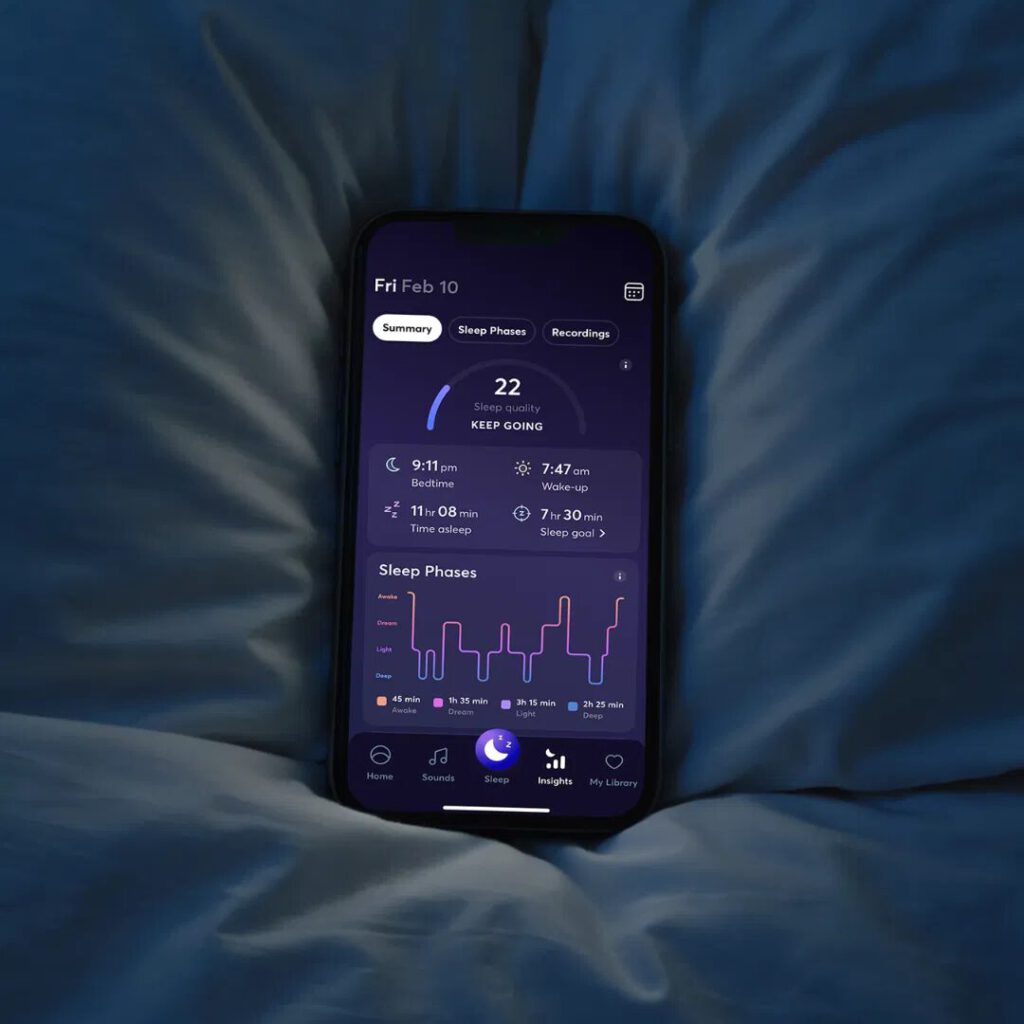
Optimizing your environment and habits gets most people most of the way there. But if you’ve tightened up your schedule, improved your bedroom, cut off caffeine and screens, and you’re still waking up tired, it’s a signal worth taking seriously. Understanding what’s actually driving your sleep problems is the starting point. A sleep specialist can rule out disorders like sleep apnea, restless legs syndrome, or thyroid issues. In the meantime, BetterSleep offers evidence-based tools including guided meditations, relaxation techniques, and sleep sounds that address the behavioral and environmental side of the equation while you work toward a longer-term fix.