A giant land snail labeled “No. 2” sits in a Tupperware bowl on kitchen scales, clocking 102.5 grams. Twenty meters away, a capybara named Gizmo — the world’s largest rodent — gets coaxed onto a floor-scale with a fistful of greenery. This is London Zoo’s annual weigh-in: 10,000 animals, almost 400 species, all measured across a concentrated campaign each August. It looks like a content goldmine. It’s actually something considerably more serious.
Penguins for Fish, Capybaras for Greens
Each species demands its own persuasion strategy — and the results are exactly as chaotic as you’d expect.
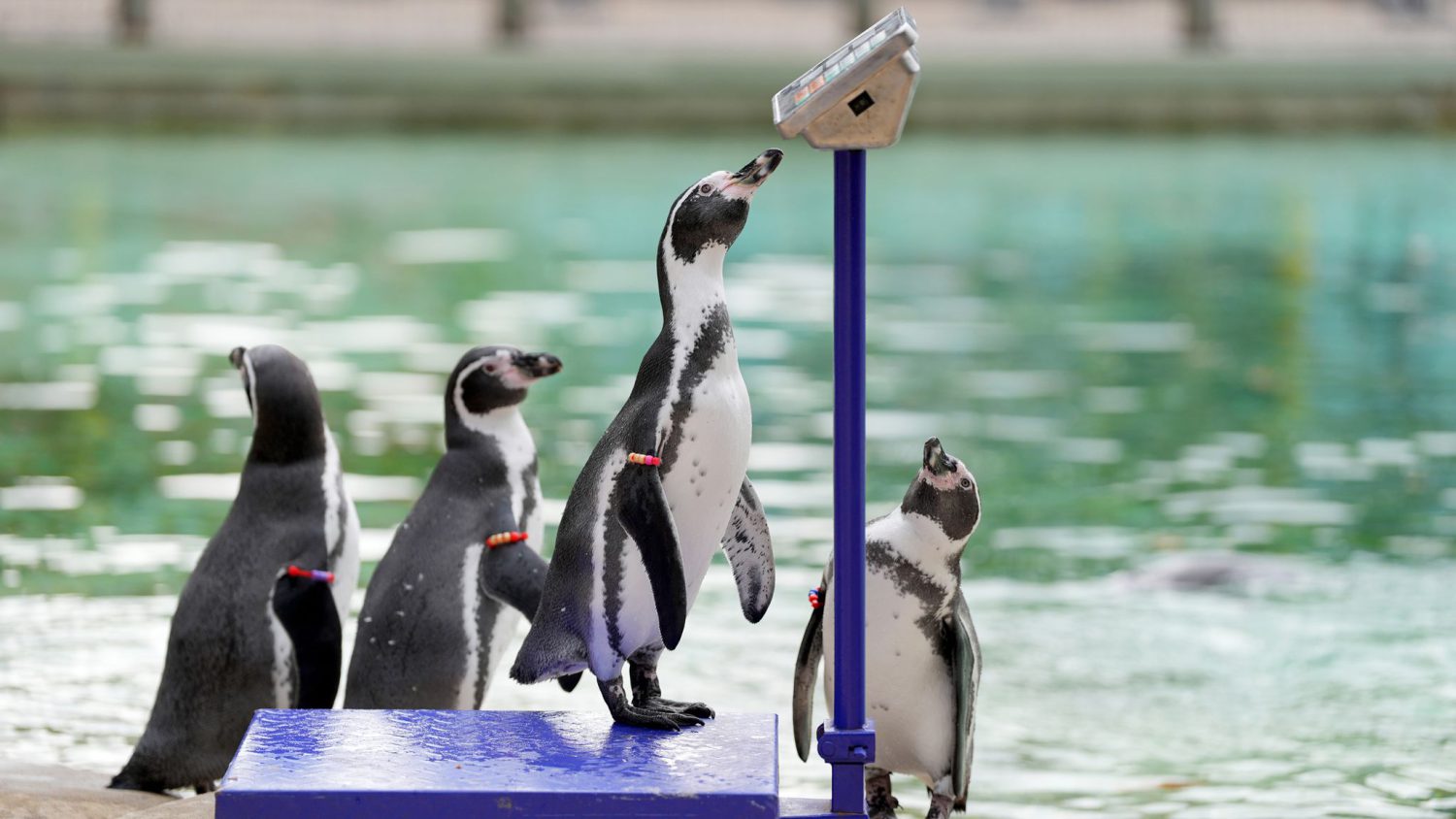
The logistics alone are absurd in the best possible way. Humboldt penguins — a vulnerable species native to coastal Chile and Peru — waddle onto scales chasing buckets of fish. Capybaras Gizmo and Kiwi follow fresh vegetation with the single-minded focus of someone tracking a delayed food delivery. Squirrel monkeys pursue a blue ball on a stick.
For Partula snails, the zoo’s smallest residents at under one gram, keepers use precision digital scales and subtract the container weight. Every species demands its own protocol. Here’s what all those measurements actually capture:
- Weight changes that signal illness, injury, or nutritional deficiency before symptoms become visible
- Pregnancy detection in species where physical signs appear late
- Growth benchmarks for young animals, including Humboldt penguin chicks born this spring
- Individual health trajectories tracked year-on-year, from Partula snails under 1g to capybaras well above 40kg
- Data uploaded directly to ZIMS — the Zoological Information Management System — a shared international database used by conservation institutions worldwide
One Number Can Change Everything
What does a meaningful weight drop in a capybara actually signal? More than you might think.
Every measurement feeds into ZIMS, where zoos globally compare what “normal and healthy” looks like across thousands of species. A capybara trending notably lighter than last August isn’t a fun photo — it’s a clinical flag.
Daniel Simmonds, Animal Operations Manager at London Zoo, puts it plainly: “Regular weigh-ins help zookeepers track the health of our animals — including insects like the magnolia land snails, the capybaras, and Humboldt penguins — and genuinely help us manage the care of these animals, who play a vital role in our global conservation efforts.”
The weigh-in has run for over a decade. Accumulated year-on-year data now supports breeding programs for endangered species and helps model long-term health trends across captive populations. What looks like a zoo doing its annual admin is, in practice, distributed conservation infrastructure — and that Tupperware bowl is pulling its weight.