“Leaky gut syndrome” may sound like something you’d diagnose while Googling symptoms at 3 AM, but the stakes are real: a compromised intestinal lining could let all sorts of unwanted guests into your bloodstream. While some doctors are still debating whether it’s legit, the health-conscious are already exploring dietary tweaks, supplements, and even prescription meds to patch things up. We’ve sifted through the studies, separating the wheatgrass from the chaff, to bring you evidence-based remedies—because nobody wants to trust their gut to, well, just anyone.
6. Lubiprostone
This prescription medication shows promise in early research for protecting gut barrier function.
“Leaky gut” sounds like a DIY plumbing disaster, but it’s actually about intestinal permeability—and 24 μg/day of lubiprostone for 28 days might just be the plumber you need. This dose significantly lowered the lactulose-mannitol ratio (LMR), a marker of intestinal permeability, in a pilot study. Anyone who’s dealt with gut issues knows the drill: your gut lining acts like a bouncer at a club, and lubiprostone helps keep the riff-raff (toxins) out.
Of course, GI side effects are possible, so it’s not a free pass to start mainlining questionable street tacos. Consider it a backstage pass to a healthier gut, but only if your doctor signs off.
5. Glutamine
One of few supplements with solid clinical evidence for improving gut barrier function.
Glutamine has shown promise in improving intestinal permeability, specifically with LMR reduction in Crohn’s patients. Picture it as patching holes in your gut’s chain-link fence—but with actual science backing it up. That’s not all: postinfectious IBS-D patients saw reduced LMR, fewer symptoms, and less frequent bowel movements compared to placebo.
If your gut’s been throwing a rave since that questionable street taco, consulting a registered dietitian about glutamine supplementation might just be the bouncer it needs. The evidence is solid enough to make it worth exploring, especially if other gut issues are already in play.
4. Prebiotics
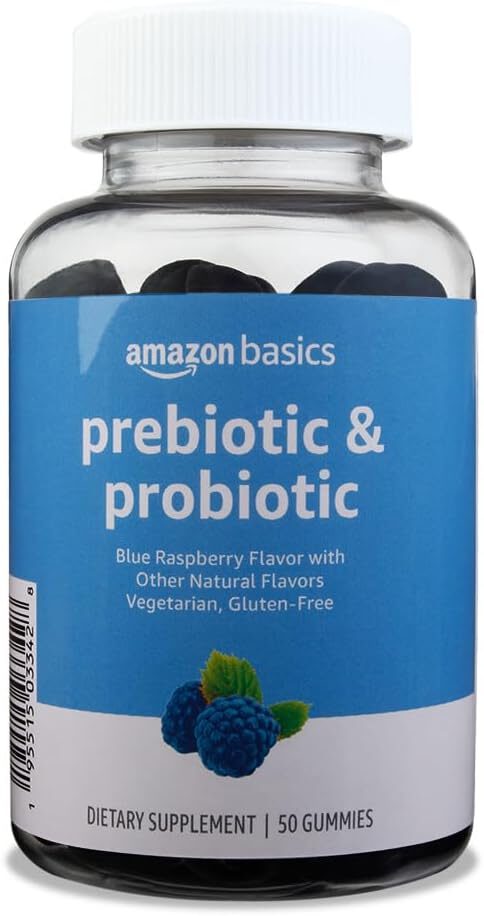
These gut-feeding fibers work especially well when paired with omega-3-rich diets.
You know that feeling when your “check engine” light flickers on? Well, in your gut, that might be leaky gut, or increased intestinal permeability. According to research, prebiotics like β-fructans, such as 12g/day of oligofructose-enriched inulin—think Prebiotin—might just be the mechanic you need. Scientists suspect that combining these prebiotics with a diet that’s low in n-6 PUFAs and high in n-3 PUFAs could reduce leaky gut. There’s even an ongoing trial measuring LMR, zonulin, GLP-2, and LPS to confirm the suspicions.
Start adding prebiotic foods, like onions and garlic, to your plate daily. It’s a small change that might make a big difference—and bonus points if it keeps vampires away too.
3. Probiotics
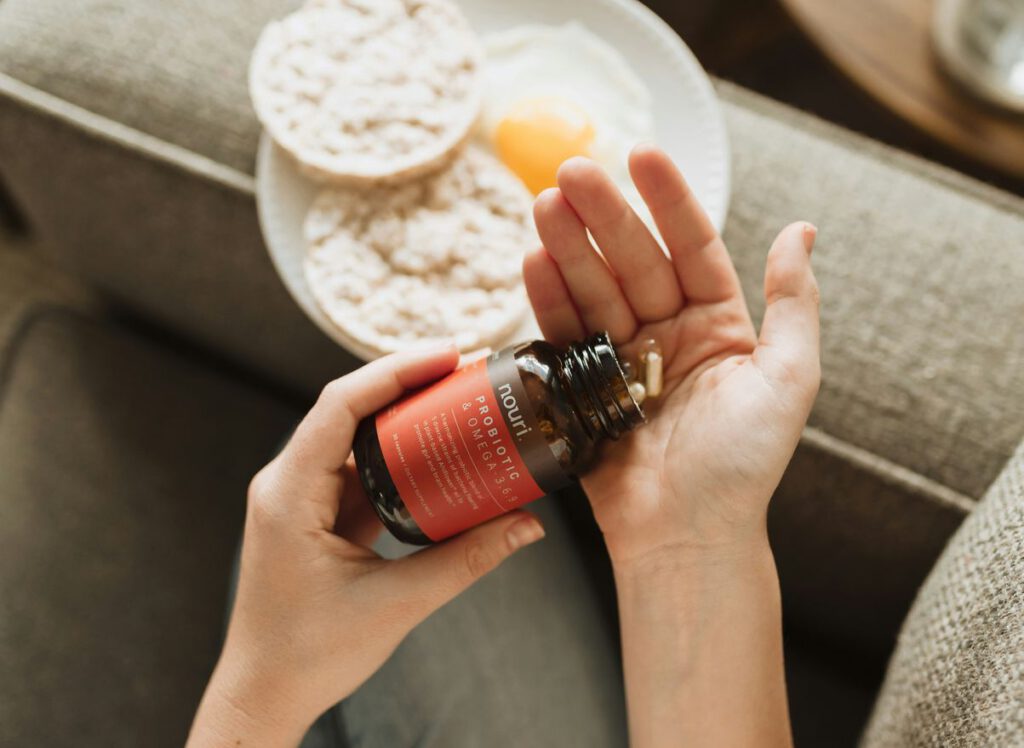
Specific strains have shown measurable improvements in gut barrier tests.
Probiotics, like that one friend who’s always down to hit the gym, provide backup for your gut health. Turns out, ingesting 1×10^9 CFU/day each of Bifidobacterium adolescentis and B. lactis can significantly reduce that sucralose:lactulose ratio in obese adults after an aspirin challenge, according to science. Who knew that aspirin could throw your gut into chaos?
You can look at probiotics are the bouncers in your digestive club, keeping the riff-raff out and ensuring a smooth party. So, next time you’re feeling bloated after a weekend of questionable choices, consider a probiotic boost—your gut might just send you a thank-you note.
2. Omega-3 Fatty Acids
These healthy fats repair gut barriers nearly as well as short-chain fatty acids.
Omega-3 fatty acids can enhance intestinal barrier function nearly as well as short-chain fatty acids (SCFAs), so don’t skimp. If your gut’s feeling like the TSA lost your luggage—a total mess—then a high n-3 PUFA diet might be your ticket to recovery. Anyone who’s ever tried to navigate the supplement aisle knows it’s a minefield, but prioritize the real stuff.
Aim for fish 2-3x/week, and not just because your grandma said so. Load up on omega-3 sources like salmon, walnuts, and flaxseeds. If your gut could send a thank-you note, it would.
1. Dietary Changes

Simple food swaps can support gut barrier integrity without breaking the bank.
General dietary advice includes prebiotics to feed gut bacteria, and what could be easier than that? Picture prebiotics as fertilizer for your gut garden. You load up on things like onions, garlic, and chicory root, and the good bugs throw a party. The usual suspects—reducing fats and sugars—also play a role, like being the bouncer at the door to keep the riff-raff out.
Ever felt like your stomach was staging a coup? That’s where low-FODMAP diets come in. If you’re thinking, “FOD-what now?”, it stands for Fermentable Oligosaccharides, Disaccharides, Monosaccharides, and Polyols. Translation: certain sugars that can wreak havoc. Trialing a low-FODMAP diet under professional guidance could be a game-changer—it’s like hiring a food therapist to sort your gut issues.