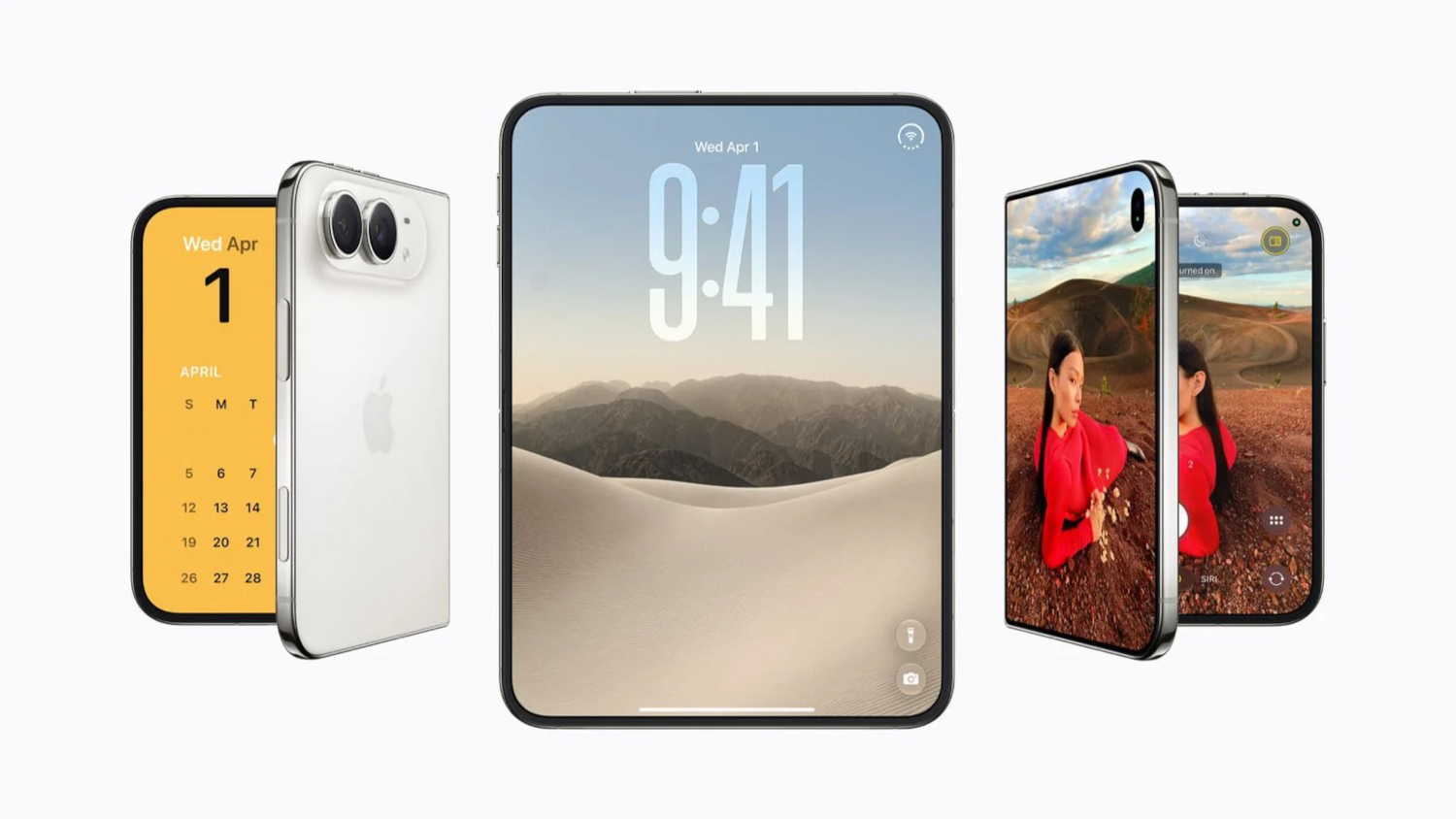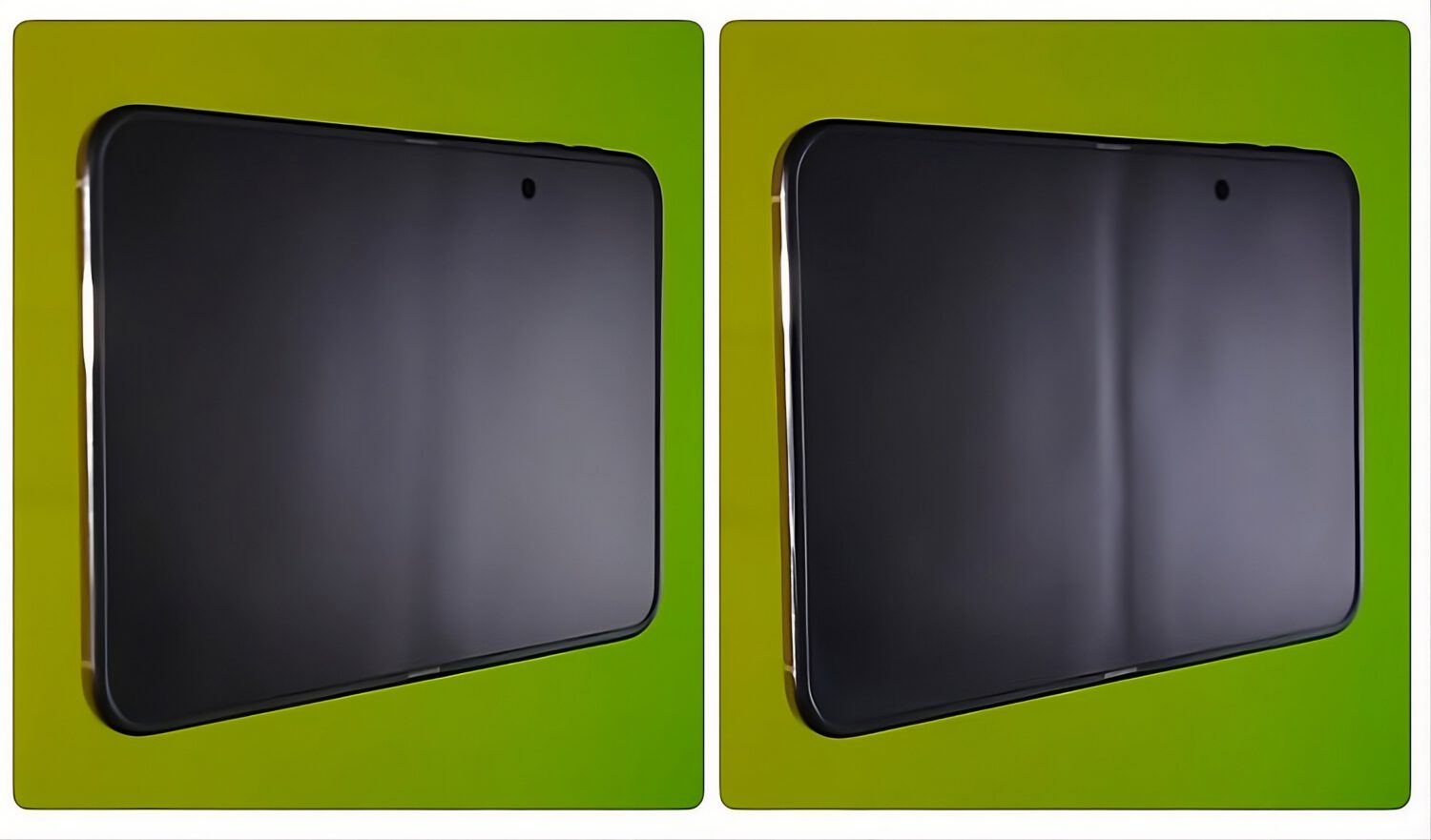
Anyone buying a foldable phone eventually asks the same question: what does this thing look like after a year of real use? YouTuber Tim Pan, who runs the MediaStorm channel, built a controlled answer by running an iPhone Duo through 10,000 folds on a dedicated folding machine at room temperature, then adding 1,000 more folds at approximately -20°C. The results point in two distinct directions: the display crease became more noticeable, and the hinge stayed smooth.
What Happened to the Display
The crease became easier to see after testing, though no precise measurements were reported.
According to Tim Pan’s findings as reported by zeerawireless.com, the crease on the iPhone Duo’s 7.6-inch internal display became more pronounced after the full test sequence. No crease depth, width, or percentage change was published, so there is no quantitative baseline to reference.
The matte finish on the internal display reduces glare and softens how visible the crease appears at typical viewing angles during ordinary use. That advantage does not disappear after 10,000 folds on a dedicated folding machine, but it does not stop the crease from becoming more visible either.
What Happened to the Hinge
The hinge remained smooth throughout the full sequence, pointing to a different durability story than the display.
After the full 11,000-fold sequence (10,000 at room temperature plus 1,000 at -20°C), the hinge reportedly remained smooth, and its opening-assistance feel was essentially unchanged from first use, according to mydrivers.com citing Tim Pan’s test. The mechanism that makes a foldable phone function did not exhibit obvious deterioration across a large number of cycles.
A separate structural test is also worth noting, though it belongs in a different category. Tim Pan applied backward-bending force to the device, with a force meter recording 37.8 kilogram-force, roughly 371 newtons. That experiment tested structural resistance to unintended stress, not the crease behavior that comes from normal daily folding.
What This Test Can and Cannot Tell You
One device under controlled conditions does not establish a certified lifespan or failure threshold for the iPhone Duo.
The cold-temperature sequence adds useful stress data. It may not, however, reflect how your phone ages under the conditions of typical daily use. Tim Pan’s test is observational. It documents what one unit looked like after an unusually high fold count, not a prediction for every unit off the line.
No independent verification of the test methodology was available in the reported coverage. Apple’s cited specifications do not state a certified fold-count rating for the iPhone Duo.
What It Means for Buyers
The crease showed visible change while no obvious hinge deterioration was reported, and those two findings carry different weight depending on what you value.
For a phone folded roughly 100 times a day, 10,000 folds represents approximately three months of use, though that assumption is hypothetical and individual habits vary. If a pristine-looking display matters to you, this result is a real consideration. If mechanical longevity is your primary concern, the hinge data offers some reassurance, with the caveat that one test device is not a guarantee.