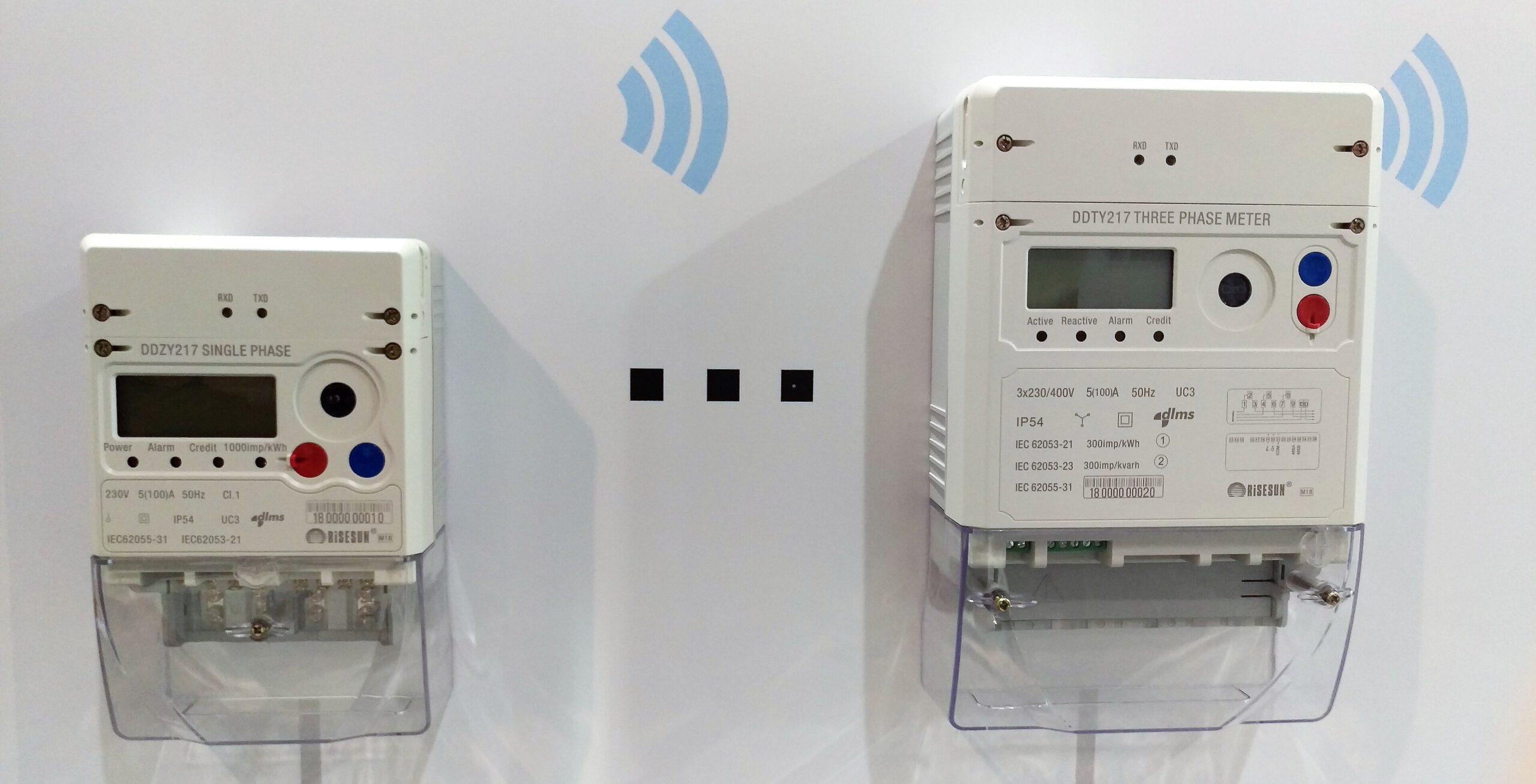
Your smart meter knows when you shower, cook dinner, and leave for vacation—all from electricity usage patterns alone. This isn’t science fiction; it’s load profiling technology that creates unique “appliance signatures” from power fluctuations. Every device in your home has a distinct electrical fingerprint, and your utility company collects this data every 15 seconds to hourly.
Think Cambridge Analytica was invasive? Your electricity meter might be building an even more detailed profile of your daily life.
The Surveillance Hidden in Your Electrical Usage
Smart meters don’t just measure total electricity consumption—they analyze how you use power throughout the day. When your coffee maker kicks on at 6:30 AM, when you fire up the microwave for lunch, even when you plug in medical devices overnight, each action creates identifiable electrical signatures.
Academic research confirms these meters can detect sleep patterns, determine when homes are vacant, and identify specific appliances with startling accuracy. The privacy implications hit renters especially hard, since landlords can access this data through utility portals, potentially tracking tenant behavior patterns.
Your electrical usage becomes a window into your most private routines.
Utility Companies Promise Protection They Can’t Guarantee
Utilities insist they aggregate and encrypt smart meter data, comparing their security to online banking systems. They emphasize using information for grid optimization and demand-side management, not real-time spying. These aren’t entirely hollow promises—the technology does improve electrical grid efficiency and forecasting.
But “anonymized” data isn’t truly anonymous. High-resolution electrical patterns create behavioral fingerprints that can be traced back to individual households, regardless of encryption.
When utilities share this information with third parties for marketing or analysis, your lifestyle data enters a marketplace you never agreed to join.
Your Escape Routes From Electrical Surveillance
Most U.S. states allow opt-outs through Public Utility Commissions, letting you keep analog meters for manual reading fees around $10-50 monthly. Before accepting that cost, consider EMI/RFI filters that obscure your appliance signatures without full meter replacement.
These devices muddy the electrical signal, making load profiling significantly harder. You can also sever digital connections by disconnecting smart home apps from utility portals and avoiding Wi-Fi-enabled meter attachments that create mesh networks for data relay.
Every connection point you eliminate reduces your surveillance footprint. The choice between grid efficiency and personal privacy shouldn’t be made without your consent.