Dead phone batteries are dangerous, but your parking app’s blind spots are expensive. Urban drivers lose roughly $500 annually to avoidable fines because these supposedly smart tools systematically ignore free parking allowances. While you’re religiously feeding meters through ParkMobile or SpotHero, you’re missing 15-minute passenger unload zones and 5-minute hydrant stops that could save serious cash.
Apps Miss the Money-Saving Zones
The numbers tell a brutal story. NYC issued 16.1 million parking tickets and violations in fiscal 2024, generating $1.09 billion in fines. Milwaukee projects 550,000 citations by 2026—a 65,000 increase targeting $14 million in revenue. Meanwhile, your trusted parking app remains oblivious to legal loopholes hiding in plain sight.
Austin’s recent pilot program revealed that 76% of users had no clue about 5-minute loading zones designed for Uber and Lyft pickups. These apps excel at finding paid spots but fail spectacularly at flagging the freebies.
The Hidden Rules Costing You
Those “15-minute passenger unload” zones scattered throughout downtown areas? Your app doesn’t see them. Are the 5-minute hydrant stops that vary by city regulations? Complete mystery to the algorithm.
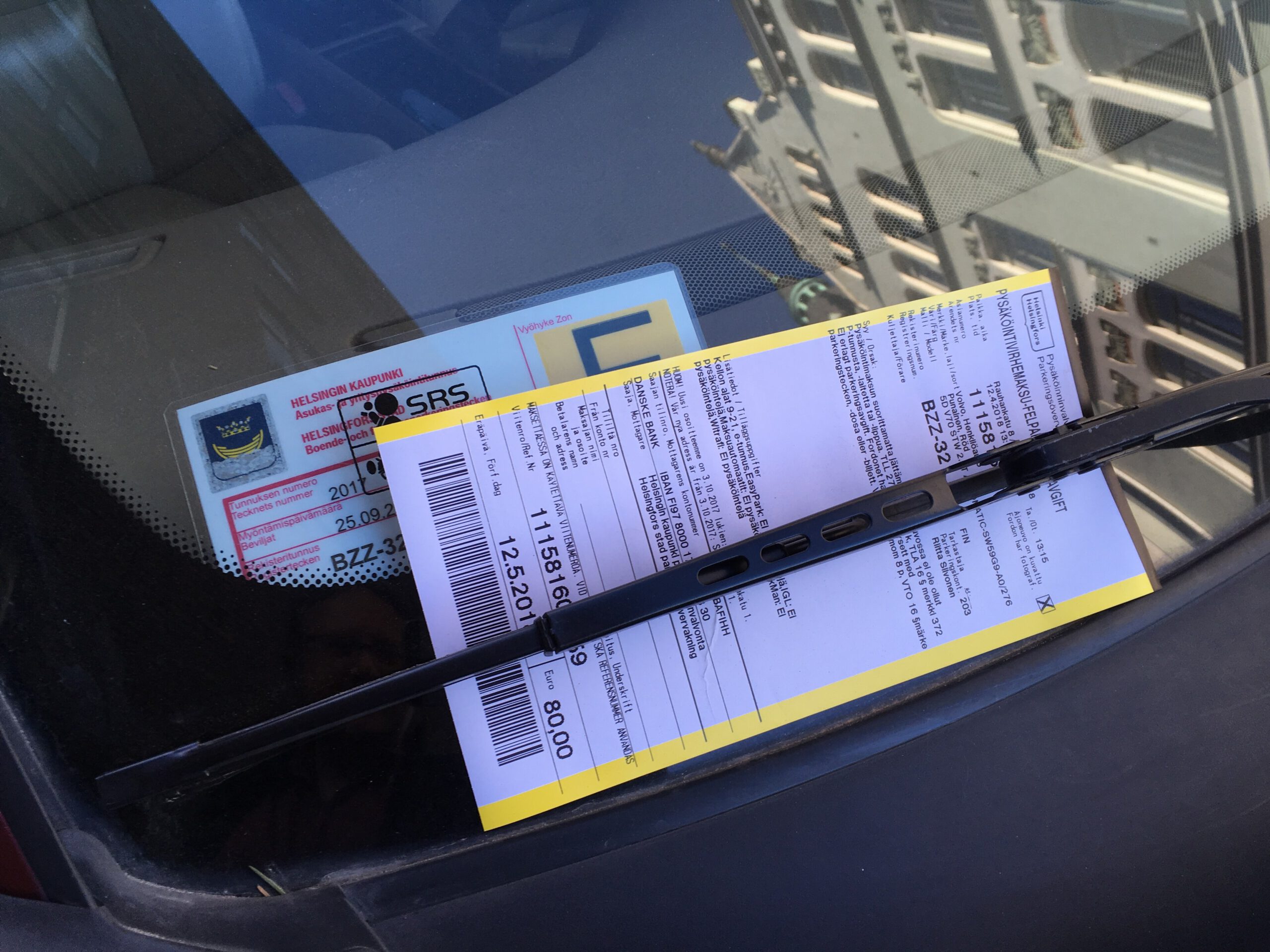
AAA surveys confirm the damage: $50 tickets multiplied by 10 annual violations from overlooked zones equals that $500 yearly hit to your wallet. It’s like having a GPS that ignores shortcuts—technically functional but missing the best parts.
Cities Double Down on Enforcement
The timing couldn’t be worse for these tech gaps. Milwaukee now tows cars after just five unpaid tickets and places DMV holds on repeat offenders. New York’s proposed bill S2025-948 would bump street cleaning fines to $65 for first offenses and $85 for repeats.
Cities are weaponizing every parking violation while your smartphone remains clueless about the escape routes. You’re essentially bringing a butter knife to a gunfight, except the gunfight costs $500 and happens in your own neighborhood.
Your parking app promised to solve urban driving headaches, but it’s created an expensive blind spot instead. As enforcement tightens and fines climb, these digital tools need serious upgrades—or your wallet will keep taking the hit.