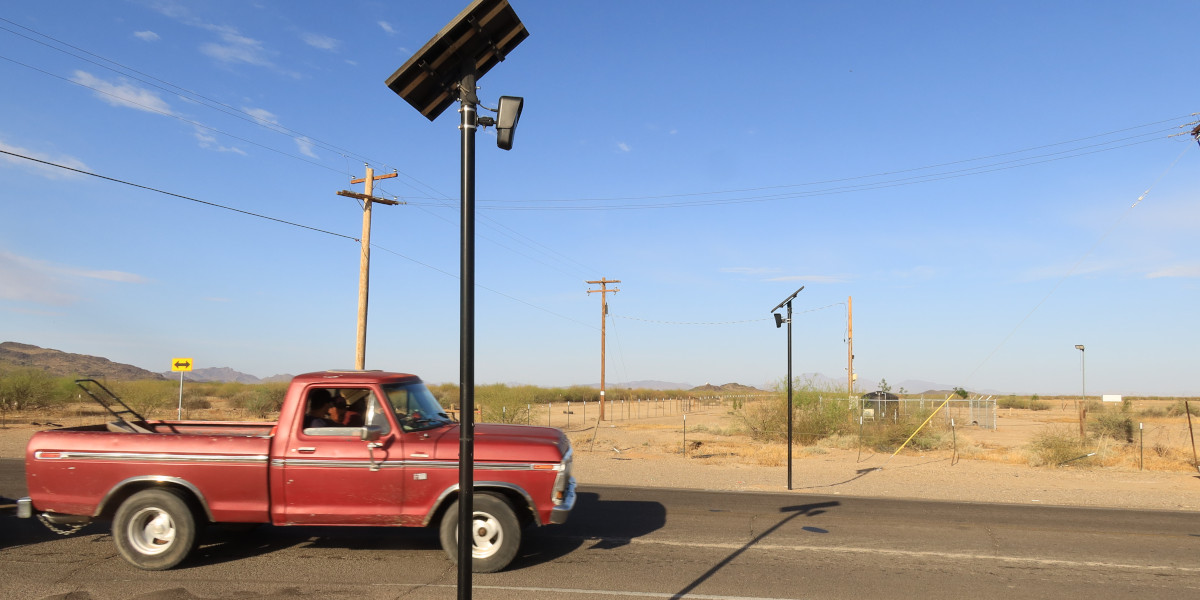
More than 5,000 U.S. communities use Flock Safety’s automated license plate readers. The cameras photograph every passing plate, convert it to text, and compare it against federal “hotlists” — databases of plates tied to stolen vehicles, missing persons, and wanted individuals. Buried in that same admin menu sits a category called “Immigration Violator,” according to an investigation by the Electronic Frontier Foundation. ICE maintains it exclusively. No local police department adds names. No judge reviews the warrants behind most entries — they’re civil administrative documents, not criminal ones.
When a plate triggers a match, only the local agency receives the alert. That agency can then contact ICE directly. University of Washington Center for Human Rights analysts describe the integration as enabling federal agents to effectively “stake out a given location and run the license plates of all vehicles they see” for immigration enforcement decisions.
- EFF found two agencies with the Immigration Violator hotlist enabled: Blue Island PD in Illinois and Sparks PD in Nevada
- Sparks PD explicitly lists “immigration enforcement” as a prohibited use on its public transparency portal — yet the hotlist was active
- Nearly 3,000 immigration-related searches were documented on Virginia’s Flock network over twelve months, according to reporting cited by UW researchers
- Flock’s CEO acknowledged federal pilots with CBP were “paused” as of mid-2025, but NCIC data-sharing through local agencies remains fully operational
The Sparks PD contradiction deserves a closer look. The agency told the public one thing while its system configuration said the opposite. The dynamic mirrors the tech scandals problem in consumer tech — nobody audits the admin settings, and entire communities absorb the consequences.
Three Steps to Check Your Agency
EFF outlines a practical process any resident can follow to determine whether local police are routing ICE alerts through Flock cameras.
- Start at AtlasofSurveillance.org and EyesOnFlock.com. Search your department. Check whether NCIC appears under active hotlists and whether “immigration enforcement” shows up under prohibited uses.
- File a public records request — EFF provides template language — asking specifically for a screenshot of the NCIC “Topics” configuration from your agency’s Flock admin panel. MuckRock can help streamline filing and tracking.
- If Immigration Violator is checked, bring that screenshot to your next city council meeting during contract renewal discussions and alert local reporters.
EFF warns that simply unchecking the box is only a partial fix. The surveillance app infrastructure remains in place, and a policy or leadership change could re-enable the hotlist without any public notice.
The cameras aren’t disappearing from American neighborhoods. But a single admin screenshot, printed and placed on a council member’s desk, carries more weight than a hundred public comments about abstract surveillance concerns.