Big Tech is burning through hundreds of billions on AI infrastructure, yet Goldman Sachs just delivered a sobering reality check: artificial intelligence contributed “basically zero” to US economic growth in 2025. This isn’t some anti-tech manifesto—it’s cold economic math that exposes the gap between Silicon Valley’s AI fever dreams and actual GDP numbers.
The Numbers Don’t Lie About AI Investment Returns
Chief economist Jan Hatzius didn’t mince words when describing AI’s impact on America’s 2.2% GDP growth in 2025. According to Goldman’s analysis, AI investments delivered only 0.2% of that growth—a figure analyst Joseph Politano called disappointingly small given the hype. “We think there’s been a lot of misreporting of the impact that AI investment had on GDP growth,” Hatzius stated, directly challenging the narrative that AI is supercharging the economy.
The disconnect becomes starker when you consider the sheer scale of spending involved. Companies are pouring unprecedented amounts into data centers, semiconductors, and computing infrastructure, yet these investments barely register in official economic statistics.
Your AI Investment Dollars Are Boosting Asia, Not America
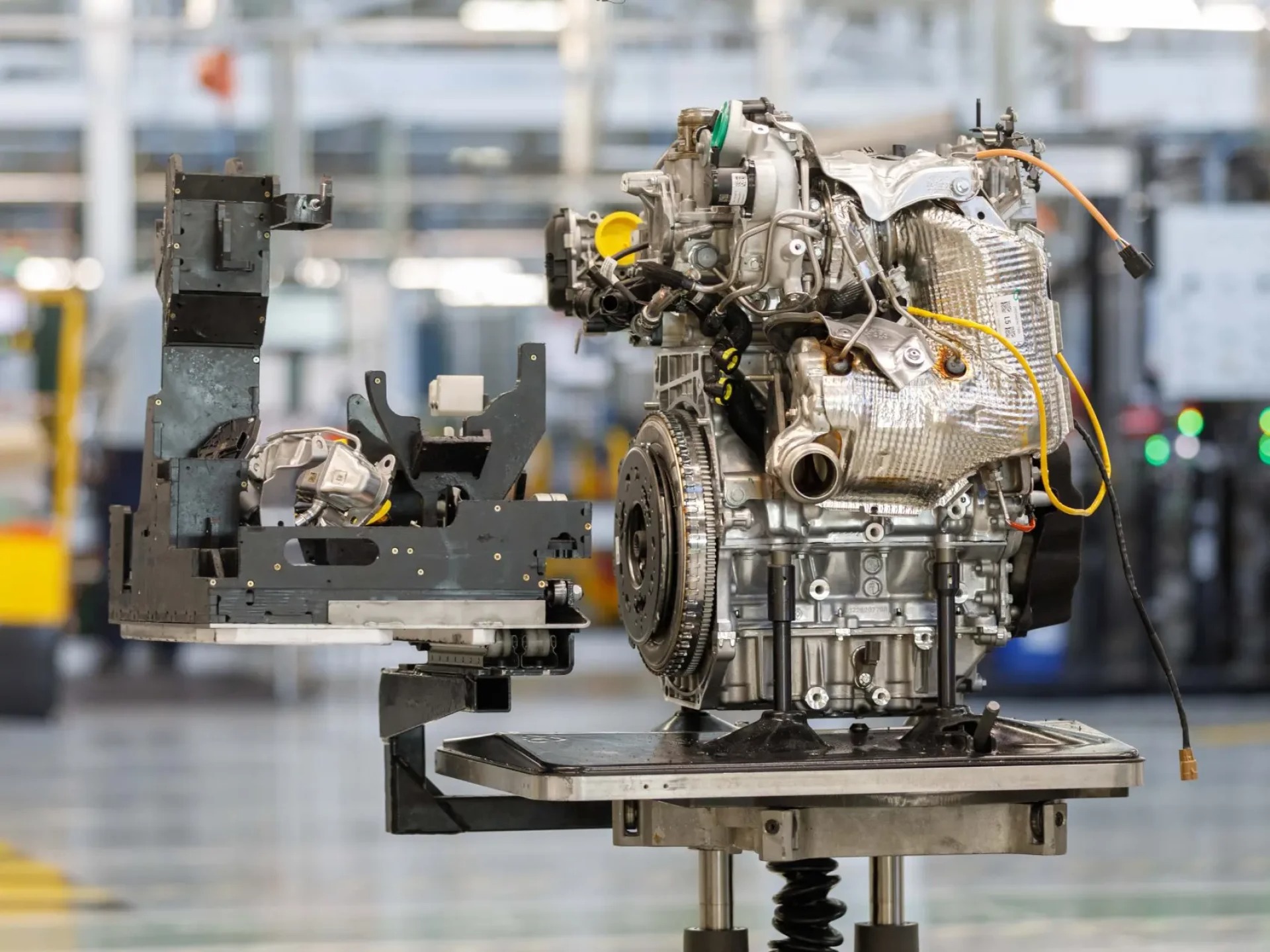
Here’s where the economics get uncomfortable: roughly 75% of the projected $700 billion that Amazon, Google, Microsoft, and others plan to spend on AI infrastructure in 2026 will flow straight to Asian hardware suppliers in Taiwan and South Korea. When you buy AI-powered servers or data center equipment, you’re essentially importing growth.
Domestic investment is canceled out by negative net exports, leaving US GDP unchanged—like running on an economic treadmill. Your enthusiasm for AI gadgets might feel patriotic, but the manufacturing reality tells a different story about where that economic value actually lands.
The 2027 Timeline Reveals AI’s Real Economic Potential
Goldman’s 2023 research suggests the real AI payoff starts in 2027, potentially boosting US productivity by 1.5 percentage points annually over a decade. But that timeline comes with job displacement risks—up to 6-7% of the workforce could face temporary unemployment during the transition.
Think of it as economic growing pains before AI truly transforms how work gets done. The question isn’t whether AI will matter economically, but when those investments translate into measurable returns rather than just impressive press releases.
What This Means for Your Investment Strategy
This analysis should recalibrate your expectations about AI stocks and the broader tech rally. Companies like Nvidia have ridden AI hype to stratospheric valuations, but if Goldman’s math holds, those gains might be built on imported growth rather than domestic economic expansion.
Smart investors will watch for signs that AI spending is finally generating revenue returns rather than just burning capital on expensive hardware that benefits foreign manufacturers more than American GDP. The bubble question isn’t about AI’s potential—it’s about timing and where the actual value creation occurs.