Motorcycle riding delivers thrills until you’re scraping asphalt off your jacket—which is why separating safety facts from fiction matters. Despite what that grizzled rider at the gas station swears by, plenty of old-school advice is flat-out dangerous. We’ve dug through data from the CDC, NHTSA, and actual research to bust common motorcycle myths that could land you in the ER. Think of this as your crash course in staying upright and riding another day.
1. Helmets do more harm than good myth

This dangerous fiction ignores decades of life-saving data.
CDC research demolishes this myth: helmets slash death risk by 37% and brain injury by 70%. Ditching your lid for wind-in-hair freedom is like performing surgery with a butter knife—feels rebellious, terrible for survival. The “helmets cause neck injuries” crowd gets schooled by a 2011 Johns Hopkins study showing helmeted riders were 22% less likely to suffer spinal injuries.
Anyone peddling the anti-helmet gospel clearly skipped statistics class. Wearing proper head protection isn’t just smart—it’s the riding equivalent of bringing backup to a bar fight.
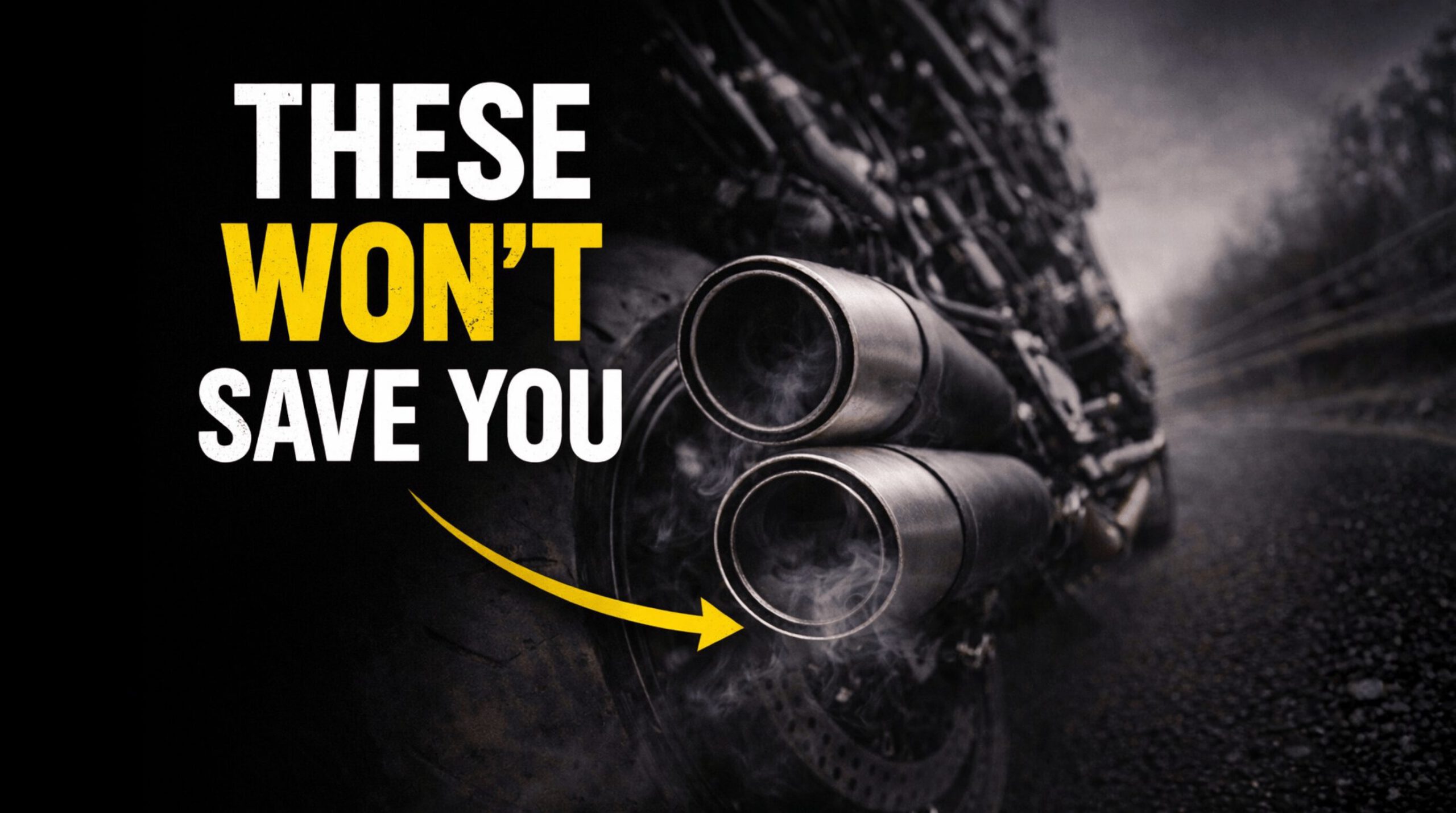
2. Loud pipes save lives myth
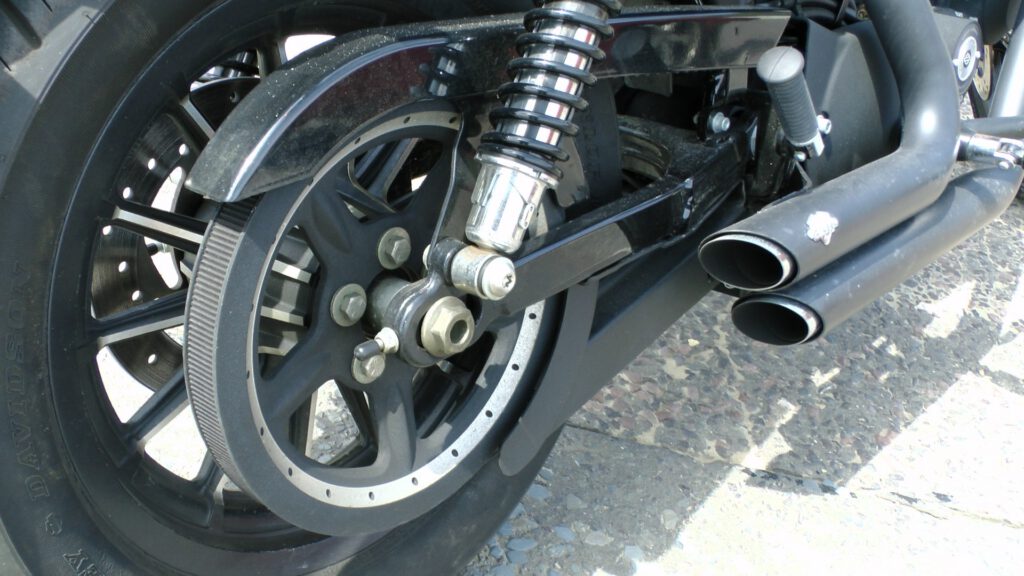
Noise pollution masquerading as safety gear fools no one.
Research reveals drivers routinely miss motorcycle sounds, especially with windows up or music cranking. Relying on exhaust noise for protection is like winning debates by shouting—you’ll grab attention while missing the point entirely. Strategic positioning and high-visibility gear actually work.
Picture someone convinced their obnoxiously loud pipes prevent crashes, when they’re really just weaponizing everyone’s eardrums. Modern safety beats Stone Age approaches every time. Future riders will view loud pipes like we see disco—a questionable choice from less enlightened times.
3. Laying the bike down prevents injury myth

Emergency dumping techniques belong in motorcycle graveyards.
This relic comes from when bikes had brakes matching Fred Flintstone’s effectiveness and zero electronic aids. Deliberately crashing made sense with prehistoric stopping power, but modern machines demand different tactics. Staying upright while applying proper braking techniques beats pavement surfing every single time.
Emergency situations call for maximum grip, not voluntary crashes. The Motorcycle Safety Foundation confirms: riders who stay vertical and use ABS systems walk away more often—maybe needing fresh underwear, but walking nonetheless.
4. Don’t use front brakes heavily myth
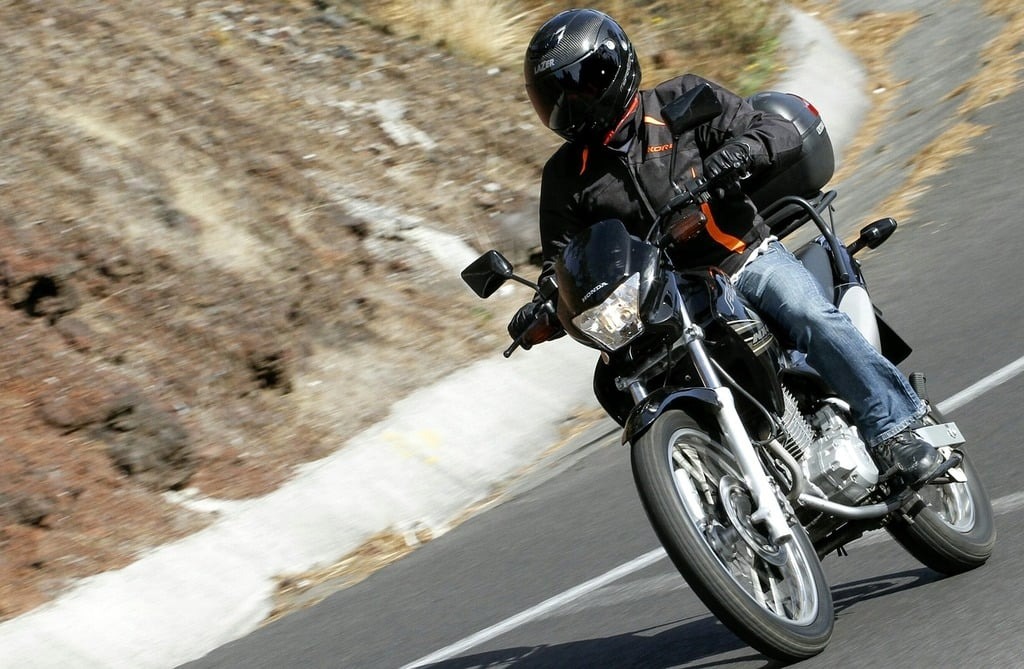
Ignoring your best stopping power is basically auditioning for disaster.
Since 70% of braking force lives up front, avoiding it makes about as much sense as bringing poetry to gunfights. Nervous riders white-knuckling through traffic while screaming “rear brake only!” stretch their stopping distances like bad first dates. The Insurance Institute for Highway Safety reports that proper brake usage, especially with ABS, cuts fatal crashes by 31%.
Anyone still scared of front brakes is betting their life on outdated advice while hoping physics takes vacation days.
5. Motorcyclists are usually at fault in crashes myth
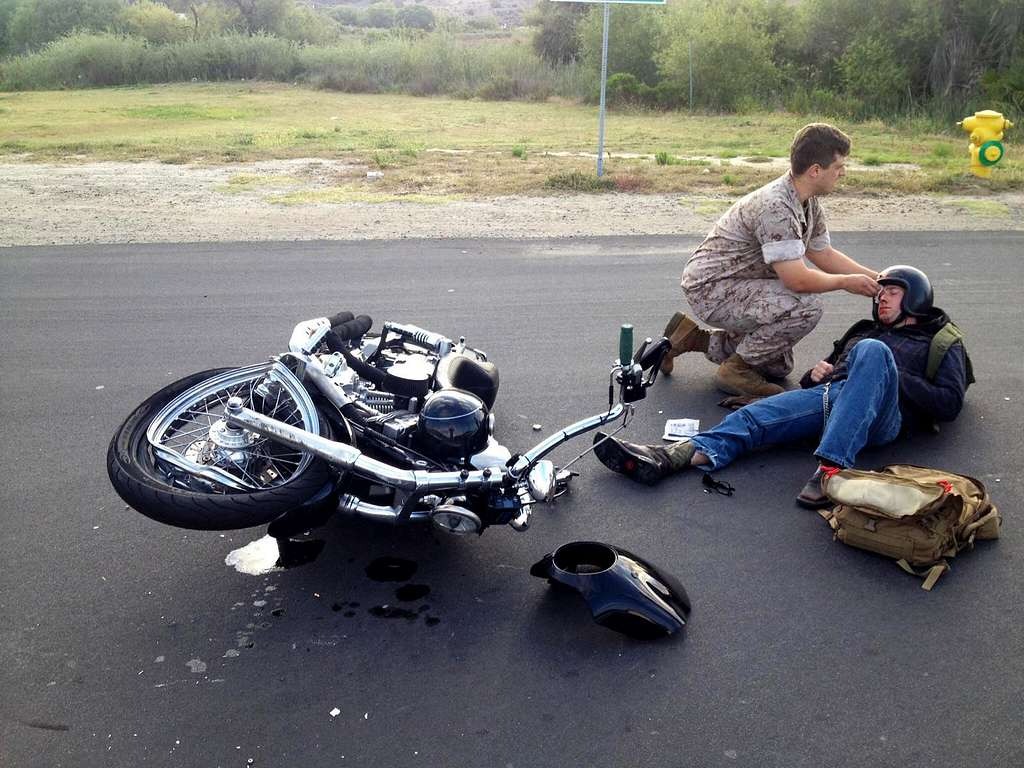
Statistics flip this victim-blaming narrative completely.
Drivers love assuming bikers are rolling disasters, but data tells different stories. The Hurt Report and NHTSA research shows that in two-thirds of multi-vehicle crashes, other drivers fail to yield or simply don’t see motorcycles. Next time some texting yahoo nearly sideswipes you, remember: odds are strong you’re not the one needing driving lessons.
This stereotype sticks harder than biker leather, but evidence consistently points elsewhere for crash responsibility.
6. Full-face helmets block vision/hearing myth

Proper protection doesn’t turn riders into sensory-deprived astronauts.
While some worry about muffled hearing and tunnel vision, correctly fitted full-face helmets meet safety standards without sensory impairment. They work like noise-canceling headphones for your skull—prime real estate worth protecting. Fitment matters crucially; you wouldn’t wear oversized shoes, so don’t let brain buckets rattle around.
Most manufacturers provide fitting tutorials ensuring peripheral vision stays clear without creating echo chambers. Proper adjustment delivers maximum protection minus the mime performance.