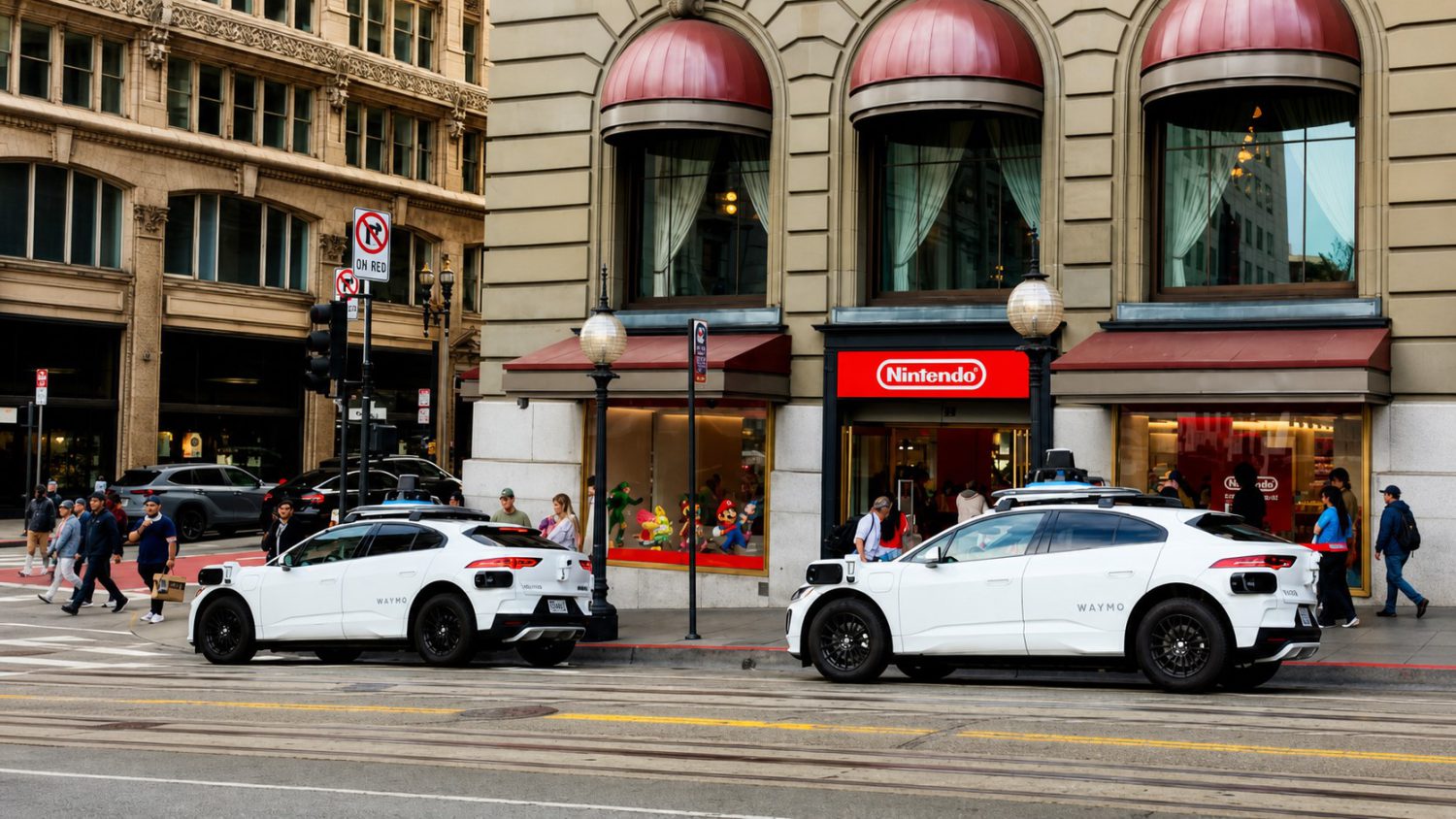
Just before 4 a.m. on September 3, a driverless car in San Francisco pulled over and alerted police to its own passengers. The stop led to the arrest of two juveniles and the recovery of a loaded, serialless AR-style rifle.
Waymo confirmed to the Los Angeles Times that the vehicle was one of its robotaxis. A Waymo spokesperson said the car stopped after the company detected “a violation of our terms of service involving a firearm,” and that Waymo then contacted emergency services.
What Happened in San Francisco
San Francisco police responded to the 800 block of 40th Avenue, where officers conducted a high-risk vehicle stop on the pulled-over Waymo. Inside, they found two juveniles: a boy and a girl.
A search of the vehicle recovered a loaded AR-style ghost gun with no serial number, suspected marijuana, and mace spray.
Both juveniles were taken to juvenile hall. San Francisco police describe the investigation as “open and active.”
This Is Not the First Time
Two 15-year-olds were riding in a Waymo in San Mateo while drinking alcohol and firing a toy gel-pellet gun out of the windows. Waymo’s remote team watched the behavior through the vehicle’s interior cameras in real time.
The company spoke to the teens through the car’s speakers, telling them the vehicle was experiencing mechanical trouble, then brought it to a stop while police were dispatched. Officers approached as a high-risk firearms situation; the gun turned out to be a toy modified to look real.
Police released the teens to their parents and referred potential charges to the juvenile district attorney. A separate incident in Santa Monica, in which juveniles were reported hanging out of a moving Waymo’s windows, added to a string of cases that prompted the company to reinforce its age restrictions and conduct policies.
Waymo’s rider rules explicitly prohibit weapons of any kind and drug or alcohol use inside its vehicles. In most California markets, riders must be at least 18 years old without an adult present.
What Riders Should Expect
Waymo’s interior cameras and sensors monitor the cabin during rides. Remote operators can stop the vehicle and contact law enforcement when they detect a policy violation.
For anyone riding in a robotaxi, the expectation of a private vehicle does not apply. Behavior flagged as dangerous or policy-violating is visible to the company and, as these cases show, directly actionable.
Regulators may eventually push for clearer rules on video retention and data use. The circumstances under which AV operators must contact law enforcement, particularly when minors are involved, remain an open question. Other autonomous vehicle providers will likely face pressure to define their own positions, adopting similar monitoring practices or offering stronger privacy commitments to riders.
For riders, that distinction is now a matter of documented record.