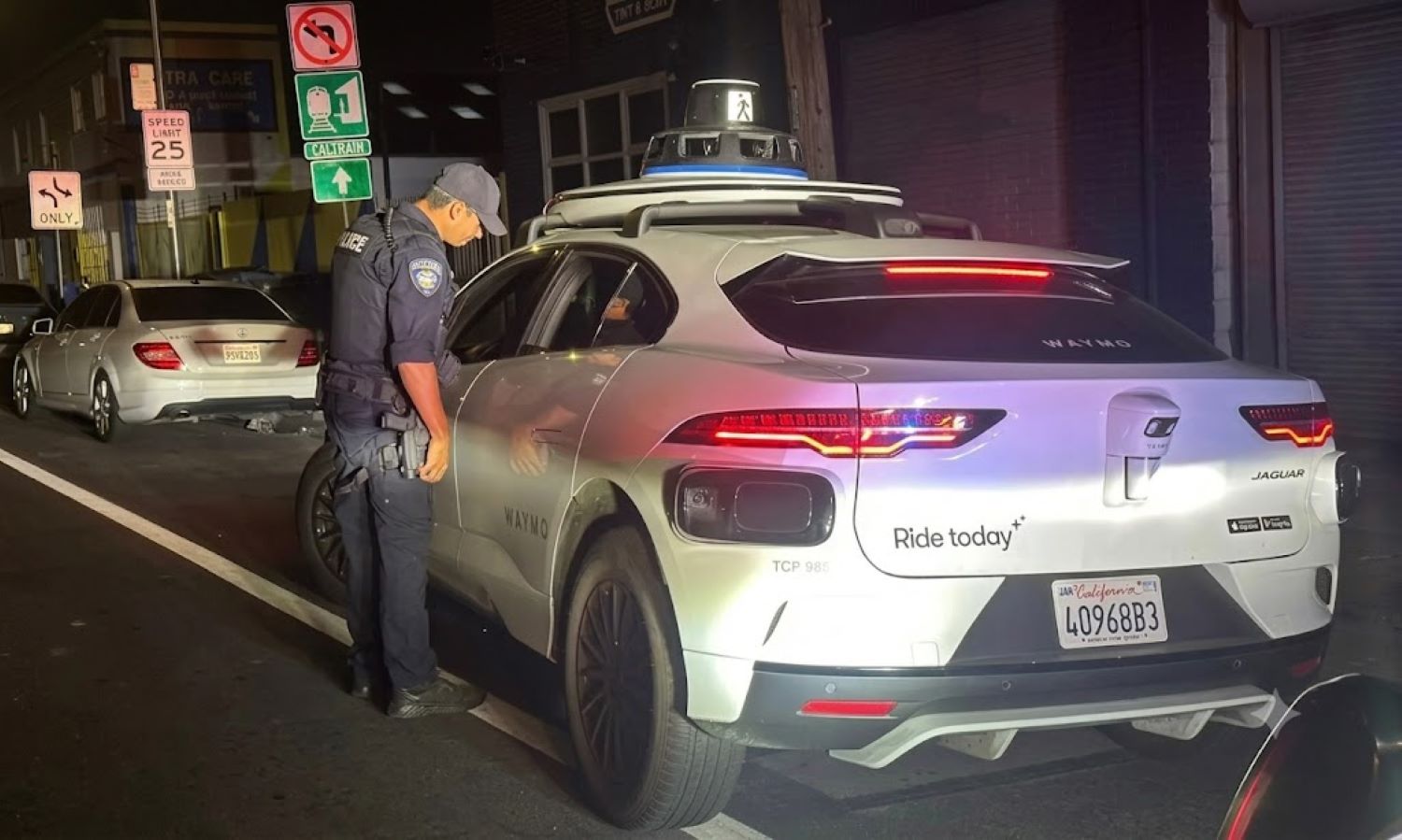
Self-driving cars can thread through highway traffic at 65 mph. Reading a “No Parking” sign? Apparently another matter entirely. Waymo’s robotaxis in Austin have racked up 83 parking citations totaling $9,325 since the company launched there in 2024, according to documents The Wall Street Journal obtained through an open-records request. The dollar amount is trivial for an Alphabet-owned company. The pattern is not.
The Violations, by the Numbers
The breakdown reveals a fleet that parks confidently — and incorrectly — with surprising consistency.
- 83 total parking citations since Waymo began Austin operations in 2024
- $9,325 in fines; $7,433 paid, $1,892 still outstanding as of July 15
- 64 citations for parking in tow-away zones — the most common offense
- 13 expired or unpaid meter violations; 9 for double parking
- One disabled-parking citation carrying a $519 fine
Waymo says its vehicles sometimes use public parking spaces between rides to avoid adding unnecessary miles and congestion. That logic holds until a robotaxi parks itself in a tow zone. The company has stated it does not expect special treatment and reviews every ticket the way any driver would, contesting only those it believes were issued in error.
“Waymo handles citations the same way any other driver would,” a company spokesperson told reporters.
Austin is not alone. San Francisco reportedly saw tens of thousands in Waymo parking fines during 2024. It mirrors the familiar frustration of a rideshare driver circling the block three times because the app insists the passenger is right there — except in this case, no human is behind the wheel to course-correct. Think of it as the Roomba of transportation: brilliant on the open floor, baffled at the edges.
Bigger Picture: Regulators Are Paying Attention
Parking tickets may seem minor, but they are exposing a structural enforcement gap that regulators are increasingly unwilling to ignore.
On July 8, the National Highway Traffic Safety Administration sent a letter demanding autonomous-vehicle developers improve their systems’ ability to follow first responders’ instructions. Texas is also moving toward formal state-level AV authorization. Parking traffic violations are straightforward to enforce — cities can cite a parked car without needing a human driver to hand over a license. That enforcement gap explains precisely why these violations accumulate while moving infractions remain far harder to police.
The counterpoint deserves space. An independent Insurance Institute for Highway Safety analysis found Waymo vehicles were involved in fewer crashes per mile than human drivers, with data drawn from Austin and other cities where the company operates. That safety record is real and worth acknowledging. But strong crash statistics offer little comfort when a driverless car is blocking a fire lane or sitting in a tow-away zone. Austin is shaping up as the test case for how cities, state regulators, and robotaxi operators negotiate these unglamorous details — one parking ticket at a time, the hard way.