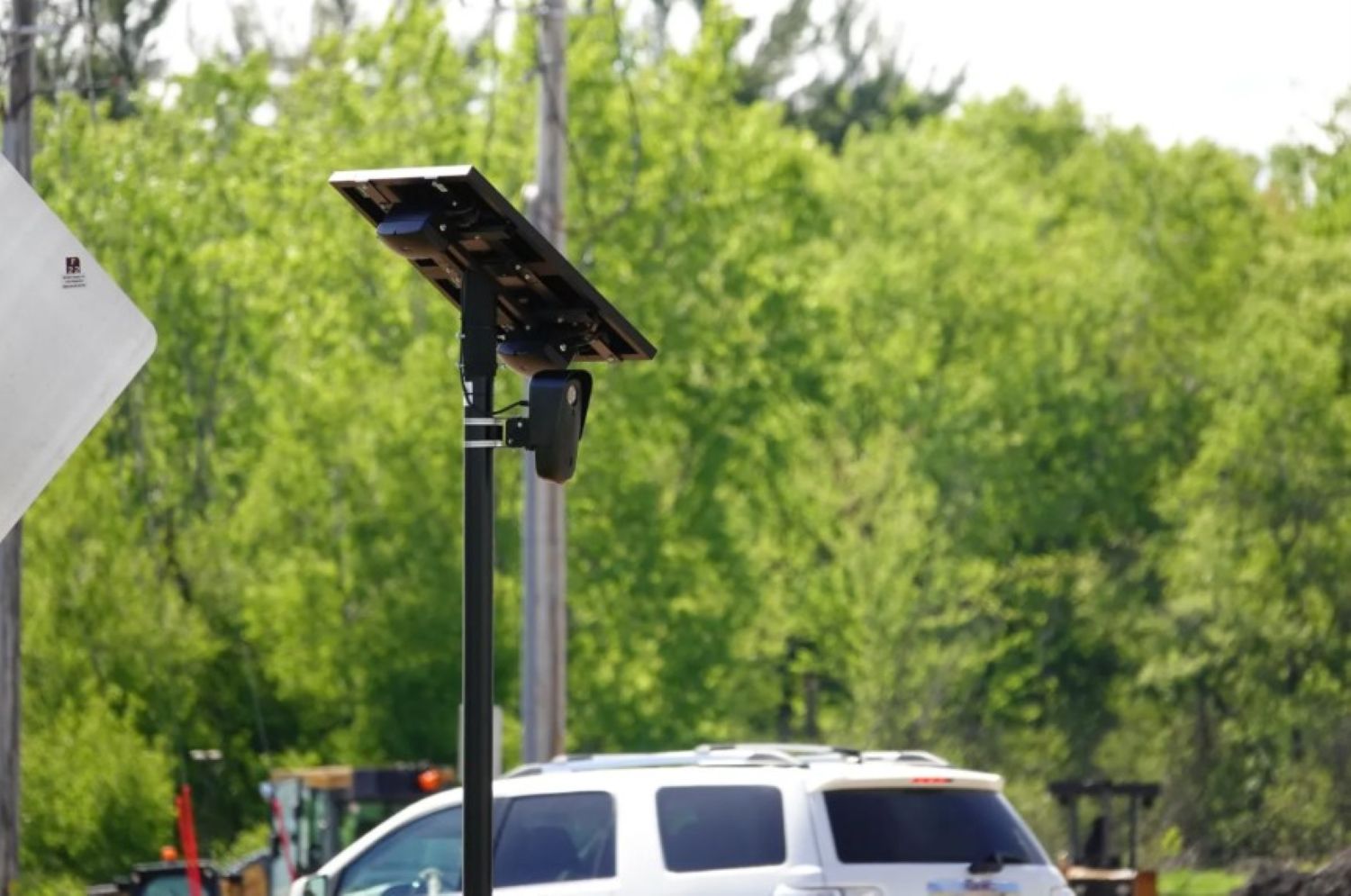
Someone walked up to a roadside camera in Irmo, South Carolina with a can of expanding foam sealant and coated the lens. No hoodie, no laptop — just a hardware store solution to a Flock problem. The choice of weapon is almost funny. Almost. Then you understand what pushed someone there.
Irmo’s Town Council had voted 4-1 to spend approximately $403,000 in general funds on 22 additional Flock Safety cameras. Residents showed up to that hearing. Someone got removed when things got heated. The vote happened anyway. Two of the existing 11 cameras are now sealed shut with foam.
What Flock Actually Does
Flock Safety’s network is bigger than most people realize — and so is what it records.
Flock Safety’s network has over 100,000 cameras deployed nationally. These aren’t neighborhood webcams. They’re roadside ALPRs (automated license plate readers) that photograph plates, log vehicle characteristics, and timestamp every pass. Law enforcement searches that data across a networked system.
Here’s what that means in practice:
- Every drive past a Flock camera generates a searchable record: plate, location, time
- Default data retention was 30 days; Flock now recommends 7 days — but agencies can override that
- Searches previously required no mandatory case justification; that’s changing
- Outside agencies can access your city’s data — though new controls let cities filter by offense type
Privacy Updates or Political Cover?
Flock’s August 13 announcements arrived on the same day Irmo’s vandalism made local news — timing that deserves scrutiny, not applause.
On that date, Flock announced new guardrails: shorter default retention, “Evidence Mode” for cold-storing case-linked records, mandatory misuse audits by end of 2026, and proactive account lockouts when search patterns look suspicious.
The EFF called it “too little, too late,” arguing the changes are relatively easy to bypass and don’t address pervasive vehicle tracking. Those skeptical of covert infrastructure may find parallels in how a surveillance app was built to target political dissidents without public oversight.
The blunter read: existing customers keep their current retention settings unless they opt in. Evidence Mode lets investigators preserve data beyond the normal window when tied to a case number. The ACLU notes agencies “can still set retention to whatever their state or local policy requires” — a concern echoed by reports of apps secretly tracking users without meaningful limits. Flock sets a new default. Local governments decide whether to care.
The Irmo foam incident joins a documented pattern — cameras spray-painted, rammed, physically torn down across the country. One local resident called the vandalism “sad,” worried vandals had “other plans.” Not everyone who opposes these cameras endorses sabotage. That’s worth saying clearly.
But a 4-1 vote over a packed, angry public hearing tells you something real about where trust currently sits.
The real accountability lever is local government. How long plate data is retained today, whether your agency will adopt the 7-day recommendation, and how misuse audits are configured are questions city councils — not vendor blog posts — must answer publicly. That’s where the pressure belongs.